Pain has a way of making your world smaller. A stiff back can change how you sit on the subway. A sore knee can make stairs feel risky. Neck tension can turn a normal workday into a headache. When movement starts to feel limited, it is understandable to look for natural pain solutions that help without immediately relying on medication or invasive procedures.
The best natural approach is not a random collection of stretches, supplements, or quick fixes. It is a plan that calms irritated tissues, restores mobility, builds strength, and helps your nervous system feel safe enough to move again.
That matters because pain is common and often persistent. In 2021, CDC researchers estimated that 20.9% of U.S. adults had chronic pain, and 6.9% had high-impact chronic pain that frequently limited life or work activities. If pain is affecting your daily routine, you are not alone, and you do have options.
What natural pain solutions actually mean
Natural pain solutions are not about ignoring symptoms or avoiding medical care when you need it. They are usually conservative, movement-focused, and designed to work with the body rather than simply masking discomfort.
A useful natural pain plan usually has four goals:
- Calm irritated muscles, joints, nerves, or connective tissue.
- Improve joint motion and soft tissue flexibility.
- Build strength and tolerance so the painful area can handle daily life.
- Reduce triggers such as poor sleep, stress, repetitive posture, and sudden activity spikes.
In other words, the goal is not just to feel better for an hour. The goal is to move better tomorrow, next week, and months from now.
Keep moving, but make the dose smaller
When pain flares, many people choose one of two extremes: total rest or pushing through. Both can backfire. Resting too long can make joints stiffer and muscles less tolerant, while pushing through sharp or worsening pain can irritate the problem.
A better first step is graded movement. That means you keep moving, but you lower the intensity, range, speed, or duration until your body can tolerate it. For example, if a 45-minute walk increases back pain, try 10 minutes at an easier pace. If deep squats aggravate the knee, start with sit-to-stand practice from a higher chair.
Regular physical activity is strongly linked with better health. The World Health Organization recommends that adults combine aerobic activity with muscle-strengthening activity, but pain care often starts below general fitness targets. The first win is consistency without a flare.
| Pain response during movement | What it may suggest | What to do next |
|---|---|---|
| Mild discomfort that eases as you move | Your body may tolerate gentle motion | Continue at the same easy level |
| Pain that rises quickly or changes your form | The dose may be too high | Reduce range, speed, load, or time |
| Pain that lingers or worsens the next day | Recovery capacity may be exceeded | Scale back and consider evaluation |
| Numbness, weakness, or spreading symptoms | A nerve or medical issue may be involved | Get professional guidance |
Use heat, cold, and recovery to reduce guarding
Pain often causes muscle guarding, which is the body tightening around an irritated area. Guarding can be protective at first, but if it persists, it may limit motion and create more discomfort. Simple recovery tools can help you interrupt that loop.
Heat is often helpful for stiffness, muscle tension, and chronic tightness. Cold may help after a recent strain, swelling, or a flare that feels hot and irritated. Neither is a cure, but both can make movement more comfortable when used thoughtfully.
| Natural tool | Best fit | Simple starting point |
|---|---|---|
| Heat | Stiffness, chronic muscle tension, morning tightness | 15 to 20 minutes before gentle movement |
| Cold | Acute soreness, swelling, recent flare | 10 to 15 minutes with cloth protection |
| Compression or elevation | Mild swelling in an extremity | Use comfortably without cutting off circulation |
| Slow breathing | Pain linked with stress or guarding | 2 to 5 minutes of relaxed nasal breathing |
If heat or cold makes symptoms worse, stop and choose a different approach. Pain that feels severe, unfamiliar, or progressive deserves a professional assessment.
Consider hands-on care for mechanical pain
Hands-on care can be helpful when pain is related to restricted joint motion, muscle guarding, postural strain, or movement mechanics. Chiropractic care, joint mobilization, soft tissue therapy, and guided rehabilitation are often used to help restore motion and reduce pain sensitivity.
The American College of Physicians has recommended several non-drug therapies for low back pain, including superficial heat, massage, acupuncture, spinal manipulation, exercise, and multidisciplinary rehabilitation, depending on whether pain is acute or chronic. You can read the ACP low back pain guideline summary for more context.
The key is that hands-on care should not be isolated from active care. A back adjustment, soft tissue session, or mobilization may help you move more freely, but long-term change usually comes from pairing that improvement with strengthening, mobility work, and better daily habits.
If you are unsure which type of hands-on care fits your symptoms, this guide to manual therapy vs chiropractic care explains how the approaches overlap and differ.
Try acupuncture when pain and stress overlap
Acupuncture is often considered when pain is persistent, stress-related, or connected with muscle tension and nervous system sensitivity. It involves placing very thin needles at specific points to stimulate the body and may influence pain signaling, muscle tone, circulation, and relaxation responses.
The National Center for Complementary and Integrative Health notes that research suggests acupuncture may help manage certain pain conditions, including low back pain, neck pain, knee osteoarthritis pain, and headaches. It is not a one-session miracle, but for the right person, it can be a useful part of a broader pain management plan.
Acupuncture may be especially worth discussing if pain is accompanied by poor sleep, stress, headaches, jaw tension, or widespread muscle tightness. If you are new to it, learning what to expect after acupuncture treatment can help you feel more prepared.
Strengthen the areas around painful joints
Many people stretch painful areas repeatedly, but stretching alone may not be enough. Joints usually feel better when the muscles around them are strong enough to share load and control movement.
For low back pain, that may mean improving hip strength, trunk endurance, and the ability to hinge without bracing. For neck and shoulder pain, it may mean building upper back strength and improving shoulder blade control. For knee pain, the hips, ankles, quadriceps, and hamstrings often matter as much as the knee itself.
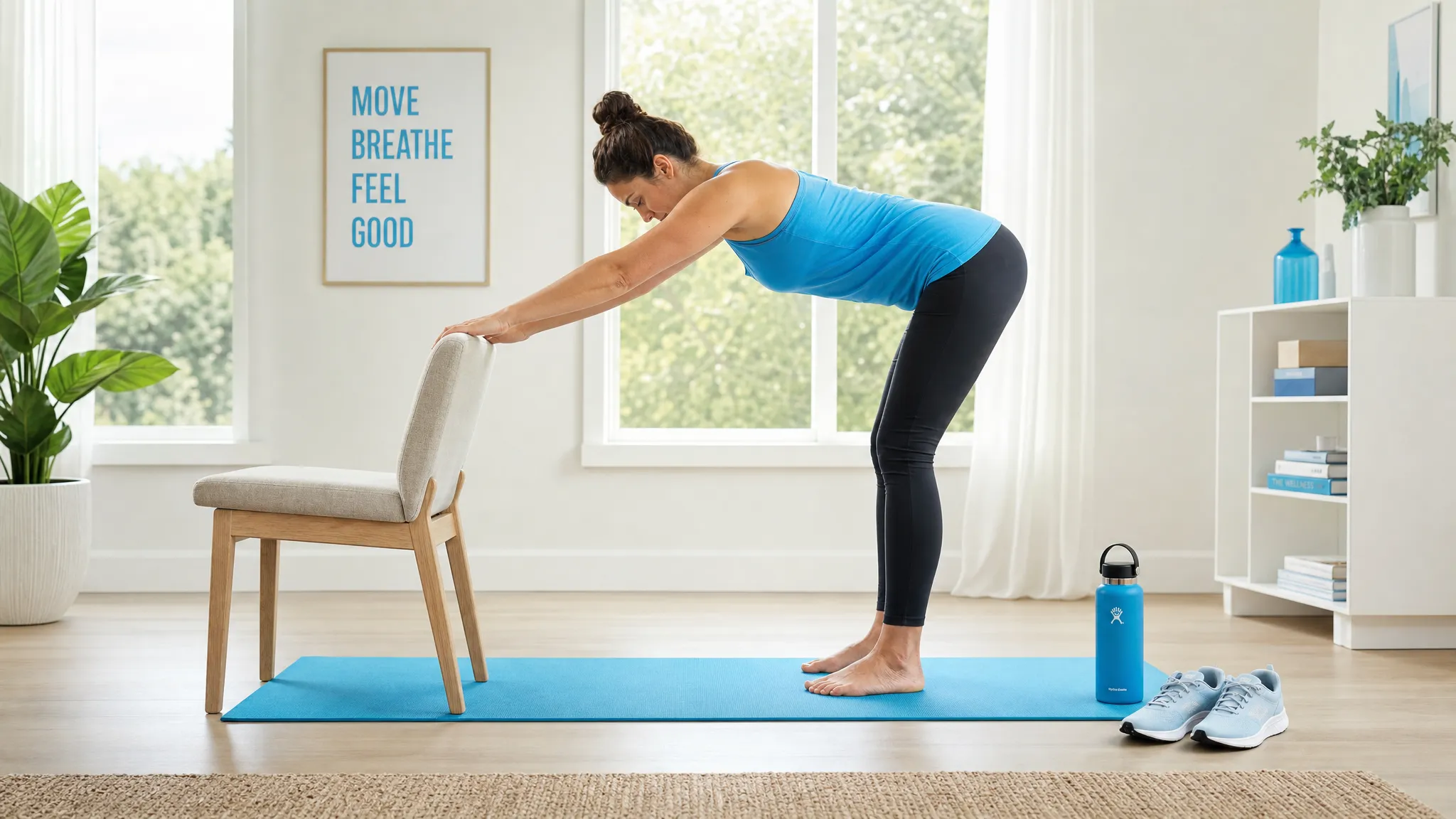
Strengthening does not need to be intense at first. In fact, pain-friendly strength work often begins with slow, controlled movements, low resistance, and careful monitoring of next-day symptoms. A professional can help you choose exercises that match your diagnosis, capacity, and goals.
Remove daily pain triggers you repeat all day
Sometimes the biggest pain trigger is not one dramatic injury. It is the small position or habit you repeat hundreds of times a day. A low laptop, a soft couch, a heavy shoulder bag, or sleeping curled tightly can keep feeding the same irritated tissues.
Small changes can reduce the constant load on sensitive areas. The point is not to chase perfect posture. The point is to give your body more variety and fewer repeated stressors.
| Daily trigger | Pain-friendly adjustment | Why it may help |
|---|---|---|
| Laptop too low | Raise the screen and use an external keyboard when possible | Reduces sustained neck flexion |
| Sitting for long blocks | Stand or walk for 1 to 2 minutes every 30 to 45 minutes | Breaks up stiffness and compression |
| Phone held low | Bring the phone closer to eye level | Decreases neck and upper back strain |
| One-sided bag | Switch sides or use a backpack-style option | Distributes load more evenly |
| Soft couch posture | Add lumbar support or change positions often | Reduces prolonged spinal rounding |
These changes may seem basic, but they often make professional care work better because you are no longer re-irritating the same tissues all day.
Support pain chemistry through sleep, food, and stress regulation
Pain is not only mechanical. Your nervous system, hormones, immune system, and recovery habits all influence how strongly pain is felt. That is why two people can have similar imaging findings but very different symptoms.
Sleep is one of the most overlooked natural pain solutions. Poor sleep can increase pain sensitivity and reduce your ability to recover from activity. If pain wakes you up, try adjusting pillow support, placing a pillow under the knees when lying on your back, or using a pillow between the knees when side sleeping. If sleep problems persist, bring them up with a clinician.
Food can also support recovery, especially when it helps maintain stable energy, healthy body weight, and lower systemic inflammation. A practical starting point is to emphasize protein, colorful fruits and vegetables, fiber-rich carbohydrates, healthy fats, and hydration. Nutrition is not a replacement for diagnosis or treatment, but it can support joint and muscle health over time. For joint-specific guidance, Move Well MD has also covered whether diet can help with arthritis.
Stress regulation matters because stress can increase muscle tension, reduce sleep quality, and make pain feel more threatening. Gentle walking, slow breathing, mindfulness, acupuncture, and consistent movement can all help shift the body out of a high-alert state.
Which natural option fits your pain pattern?
The best option depends on what is driving the pain. A stiff desk-related neck does not need the same strategy as radiating leg pain or a swollen knee after a run. Use the table below as a general guide, not a diagnosis.
| Pain pattern | Natural starting points | Consider professional care when |
|---|---|---|
| Stiff back or neck after sitting | Movement breaks, heat, ergonomic changes, gentle mobility | Pain persists beyond 1 to 2 weeks or keeps returning |
| Sciatica-like pain down the leg | Avoid aggravating positions, gentle walking, evaluation-guided exercises | Numbness, weakness, or worsening radiating symptoms occur |
| Knee or shoulder pain with activity | Reduce load, strengthen surrounding muscles, check movement mechanics | Swelling, instability, locking, or loss of function appears |
| Tension headaches or neck-related headaches | Posture variety, upper back mobility, stress reduction, acupuncture | Headaches are sudden, severe, new, or neurologically unusual |
| Arthritis stiffness | Low-impact movement, heat, strength work, nutrition support | Pain limits walking, stairs, sleep, or daily independence |
| Sports or workout soreness | Recovery, hydration, mobility, gradual return to training | Pain is sharp, focal, worsening, or linked to a specific injury |
A simple 7-day movement reset
If your pain is mild to moderate and does not involve red flags, a short reset can help you learn what your body responds to. Keep the goal simple: reduce irritation, increase comfortable motion, and track whether your function improves.
| Day | Focus | Action |
|---|---|---|
| 1 | Baseline | Rate pain from 0 to 10 and write down what movements are limited |
| 2 | Movement breaks | Add 1 to 2 minutes of walking or standing every 30 to 45 minutes |
| 3 | Heat or cold | Test the option that best matches stiffness or inflammation |
| 4 | Gentle mobility | Move the painful region through a comfortable range without forcing it |
| 5 | Light strength | Add low-effort strengthening for the surrounding muscles |
| 6 | Recovery | Prioritize sleep, hydration, and relaxed breathing |
| 7 | Reassess | Compare pain, mobility, sleep, and confidence with Day 1 |
If you improve, continue gradually. If you do not improve, or if pain returns as soon as you resume normal activity, it may be time to get a more complete evaluation.
When natural pain solutions are not enough
Natural care works best when it is matched to the right problem. Some symptoms need prompt medical attention, and self-treatment can delay necessary care.
Seek urgent evaluation if you have:
- Pain after a major fall, accident, or traumatic injury.
- New weakness, foot drop, loss of coordination, or progressive numbness.
- Numbness in the groin area or new bowel or bladder control problems.
- Fever, unexplained weight loss, history of cancer, or signs of infection.
- Sudden severe headache, vision changes, confusion, or trouble speaking.
- Chest pain, shortness of breath, or pain that may be cardiac-related.
You should also consider a non-urgent professional evaluation if pain lasts more than a couple of weeks, keeps recurring, affects work or sleep, changes how you walk, or prevents you from exercising comfortably.
How integrated care may help you move better
Pain rarely has only one cause. A tight hip may affect the back. A stiff neck may contribute to headaches. Stress may increase muscle guarding. A knee injury may change gait and irritate the opposite side. This is why integrated care can be helpful.
At Move Well MD in Manhattan, patients can be evaluated for the factors contributing to pain and movement limitations. Depending on your needs, care may include chiropractic care, acupuncture treatments, physical rehabilitation, sports medicine services, and comprehensive pain management. The clinic also works with concerns such as joint pain, knee and shoulder pain, migraines, and sciatica.
The value of an integrated approach is flexibility. Some patients need conservative, natural pain solutions such as manual care, acupuncture, movement retraining, and lifestyle changes. Others may need additional medical pain management options when appropriate. A good plan should be personalized, reassessed over time, and focused on helping you move with more confidence.
Frequently Asked Questions
Are natural pain solutions enough for chronic pain? Sometimes, but it depends on the cause and severity of the pain. Chronic pain often responds best to a combination of movement, hands-on care, rehabilitation, stress management, sleep support, and medical evaluation when needed.
How quickly might I feel better? Some people feel short-term relief after heat, gentle movement, acupuncture, or chiropractic care. Longer-lasting improvement usually takes consistent work over days to weeks, especially if strength, posture, or activity tolerance needs to change.
Can chiropractic care and acupuncture be combined? Yes, they are often used together when appropriate. Chiropractic care may focus on joint motion and mechanics, while acupuncture may help with pain modulation, muscle tension, and stress-related symptoms.
What is the safest natural solution to start with? Gentle movement within a comfortable range is often a safe starting point for mild stiffness. However, sharp pain, neurological symptoms, swelling, trauma, or unexplained symptoms should be evaluated before self-treating.
Do natural pain solutions mean avoiding medication completely? Not necessarily. Natural care can be part of a broader plan. The goal is to use the right level of care for your condition, reduce unnecessary reliance on medication when possible, and address the factors that keep pain coming back.
Ready to explore pain relief without relying on guesswork?
If pain is limiting your workday, workouts, sleep, or daily movement, a personalized evaluation can help you understand what your body needs next. Move Well MD offers integrated care in Manhattan, combining chiropractic, acupuncture, rehabilitation, sports medicine, and pain management to support better movement and pain relief.
Visit Move Well MD to learn more about care options and take the next step toward moving better.
