Searching for a chiropractor career description usually means you want more than a job title. You may be exploring chiropractic as a profession, comparing healthcare careers, or trying to understand what your chiropractor is trained to do before you book care.
At its core, chiropractic is a licensed healthcare profession focused on the musculoskeletal and nervous systems, especially the spine, joints, muscles, and movement patterns that influence pain and function. While many people associate chiropractors with spinal adjustments, the day-to-day role is broader. Chiropractors evaluate patients, screen for safety concerns, create treatment plans, provide hands-on care, recommend exercises, educate patients, document progress, and refer to other healthcare professionals when needed.
For patients, understanding the chiropractor career description helps set realistic expectations. For future clinicians, it shows that the field requires science training, manual skill, communication, clinical judgment, and a strong commitment to patient safety.
What Does a Chiropractor Do?
A chiropractor is a doctor-level healthcare professional who earns a Doctor of Chiropractic degree, often abbreviated as DC. Chiropractors are not medical doctors unless they also complete separate medical training, but they are licensed clinicians who are trained to evaluate and manage neuromusculoskeletal complaints within their state scope of practice.
In a typical clinical setting, a chiropractor may help people with back pain, neck pain, headaches related to neck tension, sciatica-like symptoms, sports injuries, posture-related discomfort, and joint mobility problems. Care often includes spinal or joint manipulation, mobilization, soft tissue techniques, rehabilitation exercises, ergonomic advice, and lifestyle education.
A good chiropractor does not simply adjust every patient the same way. The role starts with asking questions, performing an exam, identifying possible red flags, and determining whether chiropractic care is appropriate. If a condition may require urgent medical care, imaging, medication management, surgery, or another specialty, referral is part of responsible practice.
Chiropractor Career Description at a Glance
| Career category | What it typically includes |
|---|---|
| Main focus | Evaluating and treating musculoskeletal pain, mobility limitations, and movement-related dysfunction |
| Common patients | Office workers, athletes, active adults, older adults, post-injury patients, and people with recurring back, neck, or joint pain |
| Education | Doctor of Chiropractic degree from an accredited chiropractic program |
| Licensure | Required in every U.S. state, with state-specific rules and continuing education requirements |
| Core treatments | Adjustments, mobilization, soft tissue work, exercise instruction, posture and ergonomic guidance, and care coordination |
| Key skills | Clinical reasoning, manual dexterity, communication, empathy, safety screening, documentation, and collaboration |
| Work settings | Private clinics, multidisciplinary pain practices, sports medicine settings, rehabilitation clinics, teaching, research, and wellness environments |
Training and Education Required to Become a Chiropractor
In the United States, chiropractors complete extensive education before entering practice. The U.S. Bureau of Labor Statistics explains that chiropractors typically need a Doctor of Chiropractic degree and must be licensed by the state where they practice.
Most chiropractic students complete college-level prerequisite coursework before entering a DC program. Coursework often includes biology, chemistry, physics, anatomy, physiology, psychology, and related health sciences. Chiropractic college then adds advanced training in anatomy, biomechanics, neurology, diagnosis, imaging, chiropractic technique, rehabilitation, nutrition, ethics, and clinical practice.
Accreditation is important. In the U.S., the Council on Chiropractic Education accredits Doctor of Chiropractic programs, helping ensure that programs meet educational standards. Graduates then typically complete examinations through the National Board of Chiropractic Examiners before applying for state licensure.
State rules vary. In New York, the New York State Education Department outlines chiropractic license requirements, including education, examination, and professional standards. Chiropractors also complete continuing education to maintain licensure and stay current with clinical practices.
| Training stage | What it involves | Why it matters for patient care |
|---|---|---|
| Undergraduate preparation | Foundational science and health-related coursework | Builds the science base needed for advanced clinical training |
| Chiropractic college | Doctor of Chiropractic curriculum with classroom, lab, and clinical instruction | Develops knowledge of anatomy, diagnosis, biomechanics, treatment, and safety |
| Supervised clinical care | Treating patients under faculty supervision during training | Helps students apply clinical reasoning and hands-on skills in real cases |
| Board examinations | National board exams and any state-specific requirements | Confirms baseline competency before licensure |
| State licensure | Approval by the state board or licensing authority | Protects patients by requiring legal and professional standards |
| Continuing education | Ongoing learning after licensure | Keeps clinicians current on evidence, ethics, safety, and technique updates |
If you are a patient, this training should show up in the visit itself. A well-trained chiropractor should take a careful history, perform an appropriate exam, explain findings, discuss risks and benefits, and create a plan based on your condition rather than offering a generic treatment package. Move Well MD also has a related guide on what university chiropractic training means for patient care if you want to understand this connection more deeply.
Daily Duties of a Chiropractor
The duties of a chiropractor vary by state law, clinic type, and patient population, but several responsibilities are common across the profession.
Evaluating patients and screening for safety
A chiropractic visit usually begins with a health history. The chiropractor asks about symptoms, injury history, medical conditions, medications, lifestyle, work demands, exercise habits, and previous treatments. This step matters because pain can come from many sources.
For example, low back pain may be related to joint restriction, muscle strain, disc irritation, hip mobility, poor lifting mechanics, prolonged sitting, or a condition that needs medical evaluation. A chiropractor must know how to recognize patterns that fit conservative care and warning signs that do not.
Red flags can include major trauma, fever, unexplained weight loss, history of cancer, progressive weakness, loss of bowel or bladder control, numbness in the groin area, severe unrelenting pain, or signs of infection. These symptoms require prompt medical attention.
Performing physical exams and movement assessments
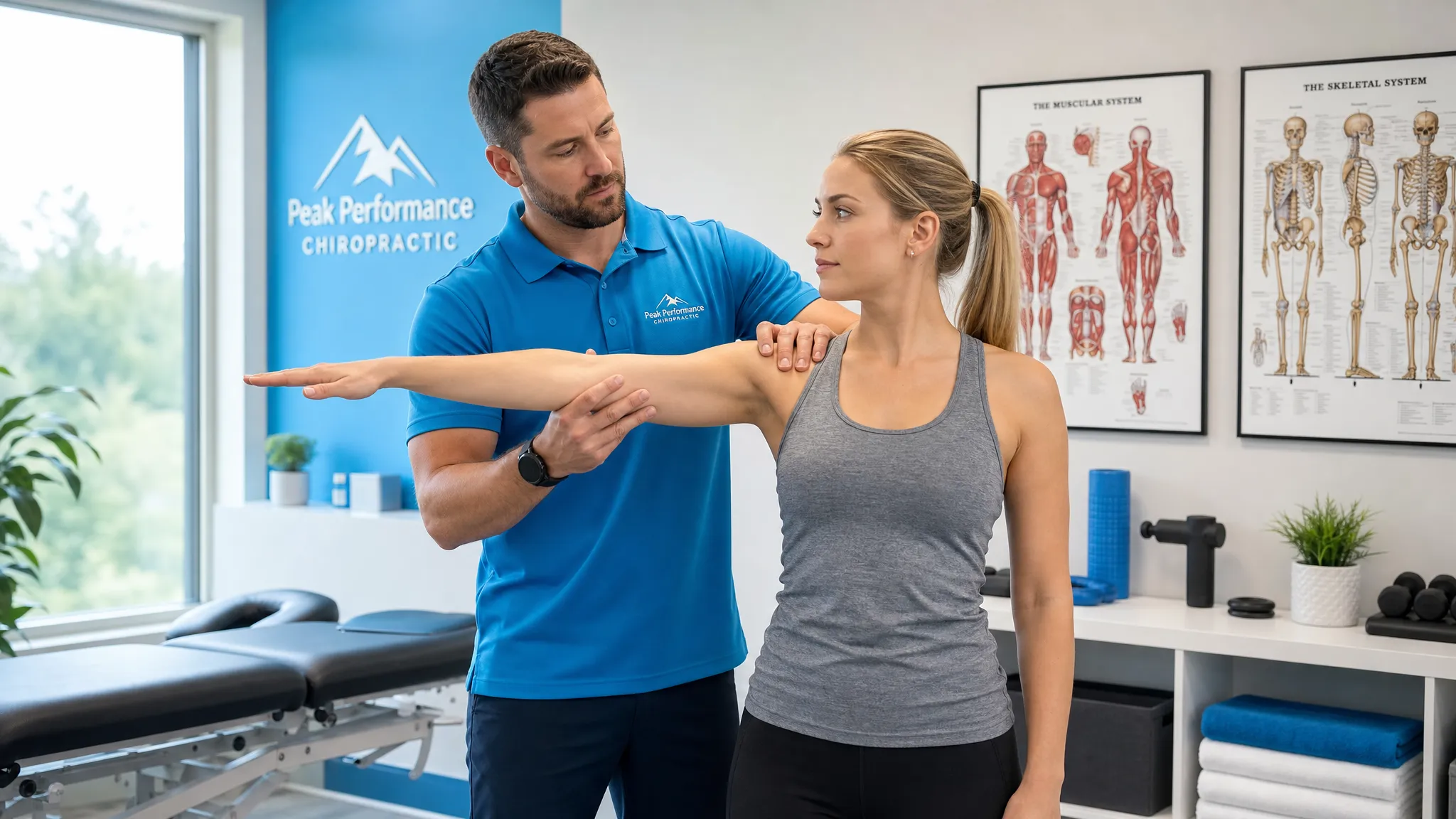
Chiropractors commonly assess posture, spinal and joint range of motion, strength, reflexes, sensation, orthopedic tests, neurological signs, gait, and functional movement. They may also evaluate how a patient sits, bends, walks, lifts, or performs sport-specific movements.
This exam helps the chiropractor decide whether the problem appears mechanical, neurological, inflammatory, traumatic, or outside the scope of chiropractic care. When clinically appropriate and permitted by state scope, a chiropractor may order, review, or refer for diagnostic imaging or coordinate with another provider.
Creating individualized treatment plans
Treatment planning is one of the most important duties in the chiropractor career description. A plan should connect the patient’s diagnosis, goals, exam findings, and risk factors.
A patient with acute neck stiffness may need a different approach than a runner with recurring hip and knee pain. A patient with chronic low back pain may need a combination of manual therapy, progressive strengthening, mobility work, education, and ongoing reassessment. A patient with radiating symptoms may need careful neurological monitoring and coordination with a pain management or rehabilitation specialist.
Providing hands-on care
Chiropractors are known for manual care. This may include high-velocity low-amplitude adjustments, lower-force mobilization, flexion-distraction, instrument-assisted techniques, soft tissue therapy, stretching, or joint mobilization outside the spine.
The technique should fit the patient. Age, comfort level, bone health, diagnosis, irritability of symptoms, and patient preference all matter. Some patients benefit from a traditional adjustment, while others may do better with gentle mobilization, soft tissue work, or exercise-focused care.
Evidence-informed care also requires knowing when spinal manipulation is one option among many. The American College of Physicians low back pain guideline includes spinal manipulation among non-drug options for certain patients with low back pain, along with approaches such as exercise, heat, massage, and other conservative strategies. That does not mean manipulation is right for everyone. It means clinical judgment matters.
Teaching exercises, ergonomics, and prevention strategies
Many chiropractic visits include patient education. This can involve home exercises, posture strategies, lifting mechanics, workstation changes, sleep-position suggestions, warm-up routines, or recovery planning after an injury.
Education is especially important because pain relief during a visit is only one part of recovery. Long-term improvement often depends on how patients move between visits. A chiropractor may teach a desk worker how to reduce neck strain, guide an athlete through mobility drills, or help a patient return to walking, lifting, or training gradually.
Coordinating care with other professionals
Chiropractors often work with physical therapists, physiatrists, pain management physicians, primary care doctors, orthopedic specialists, acupuncturists, massage therapists, athletic trainers, and other clinicians. Collaboration is essential when symptoms are complex or when a patient may benefit from multiple types of care.
In an integrated clinic, this coordination can make treatment more efficient. For example, a patient with persistent shoulder pain may need chiropractic assessment of the neck and upper back, rehabilitation exercises for shoulder strength, and medical evaluation if symptoms suggest a tear or nerve issue.
Documenting care and tracking progress
Chiropractors also spend time on documentation, outcome tracking, insurance paperwork, patient communication, and compliance. Strong documentation is not just administrative. It helps clarify the diagnosis, treatment rationale, patient goals, response to care, and reasons for referral if progress stalls.
Essential Skills for Chiropractors
The best chiropractors combine technical skill with human skill. Manual ability matters, but it is only one part of safe and effective care.
| Skill | Why it matters | How patients notice it |
|---|---|---|
| Clinical reasoning | Helps connect symptoms, exam findings, and treatment options | The provider explains what may be causing pain and why a plan makes sense |
| Manual dexterity | Allows precise, controlled hands-on treatment | Techniques feel targeted rather than rushed or forceful |
| Safety judgment | Supports red-flag screening and appropriate referrals | The chiropractor asks detailed health questions before treatment |
| Communication | Builds trust and informed consent | Patients understand risks, benefits, alternatives, and next steps |
| Empathy | Helps patients feel heard and respected | The visit feels collaborative, not transactional |
| Exercise coaching | Supports long-term recovery and prevention | Patients leave with practical steps they can do at home |
| Evidence-informed practice | Balances research, clinical experience, and patient goals | Care is individualized rather than based on one technique for every condition |
| Collaboration | Improves outcomes for complex pain problems | The chiropractor coordinates with other providers when needed |
| Ethics and professionalism | Protects patients from overpromising or unnecessary treatment | Recommendations are transparent, realistic, and goal-based |
Common Conditions Chiropractors Encounter
Chiropractors often care for patients with mechanical pain and mobility problems. The specific diagnosis and treatment plan should always come from an exam, but common reasons people seek chiropractic care include:
- Low back pain and stiffness
- Neck pain and limited range of motion
- Headaches associated with neck tension or posture
- Sciatica-like leg pain, numbness, or tingling
- Shoulder, hip, knee, or ankle mobility issues
- Sports-related sprains, strains, and overuse injuries
- Posture-related discomfort from desk work or repetitive activity
- Joint stiffness related to movement habits or mild degenerative changes
Chiropractic care is not a cure-all, and it is not the right first step for every symptom. A responsible chiropractor should explain when conservative care is appropriate and when another medical evaluation is needed. For a patient-facing overview of what an evaluation may include, read Move Well MD’s guide to what a medical chiropractor visit may include.
Where Chiropractors Work
Chiropractors can build careers in several environments. Each setting changes the daily routine, pace, and type of collaboration.
| Work setting | Typical focus |
|---|---|
| Private chiropractic clinic | General musculoskeletal care, wellness visits, injury recovery, and ongoing patient relationships |
| Multidisciplinary pain clinic | Coordinated care with rehabilitation, acupuncture, pain management, and other services |
| Sports medicine setting | Injury prevention, performance support, return-to-play planning, and treatment of athletic overuse patterns |
| Rehabilitation clinic | Functional recovery after injury, surgery, or chronic pain flare-ups, often with exercise-based care |
| Corporate or occupational health | Ergonomics, posture education, repetitive strain prevention, and workplace wellness |
| Education or research | Teaching chiropractic students, conducting studies, and contributing to clinical guidelines or professional standards |
Some chiropractors are employees, while others own clinics. Those who run a practice also need business, leadership, scheduling, billing, compliance, and patient service skills. This business side can be rewarding, but it also adds responsibility beyond clinical care.
How Integrated Care Shapes the Chiropractic Role
In a city like New York, many patients have complex pain patterns influenced by commuting, desk work, training routines, stress, sleep, previous injuries, and limited recovery time. This is where integrated care can be valuable.
At Move Well MD in Manhattan, chiropractic care may be part of a broader plan that includes acupuncture, physical rehabilitation, sports medicine, trigger point injections, and comprehensive pain management when appropriate. In that type of setting, the chiropractor’s role is not isolated. It is part of a coordinated approach that looks at pain, movement, function, and the patient’s goals.
For example, someone with persistent low back pain might benefit from chiropractic assessment and manual care, but also need rehab exercises to build tolerance, acupuncture for pain modulation, or pain management consultation if symptoms are not improving. Someone with sports-related knee pain may need evaluation of the hip, ankle, pelvis, and spine, not only the painful knee. This kind of collaboration helps patients avoid one-size-fits-all care.
If you are comparing hands-on treatment options, you may also find it helpful to read about manual therapy vs chiropractic, since many patients are unsure how these terms overlap.
Is a Chiropractic Career a Good Fit?
A chiropractic career can be a strong fit for someone who enjoys science, movement, problem-solving, hands-on work, and long-term patient relationships. It can also be physically demanding, emotionally demanding, and detail-oriented.
People who thrive in the profession usually enjoy working directly with patients, explaining complex ideas in simple language, and helping people make practical changes in daily life. They also need humility. Not every patient should be adjusted, not every condition belongs in chiropractic care, and not every case improves on the same timeline.
This career may be a good fit if you value:
- Anatomy, biomechanics, and human movement
- Hands-on clinical work
- Conservative and non-drug approaches to pain relief
- Patient education and coaching
- Collaboration with other healthcare professionals
- Ongoing learning and professional development
- Ethical, realistic communication about outcomes
It may be less appealing if you prefer a purely desk-based job, dislike physical work, or are uncomfortable with uncertainty in patient care. Pain is complex, and chiropractors must often reassess, modify plans, and coordinate care when symptoms change.
What Patients Should Take Away From This Career Description
For patients, the most important takeaway is simple: chiropractic care should be clinical, individualized, and safety-focused. A chiropractor’s training is meant to support careful evaluation, not just hands-on treatment.
Before starting care, it is reasonable to ask questions such as:
- Are you licensed in New York?
- What do you think is contributing to my symptoms?
- What findings from my exam support that conclusion?
- What treatment options do I have?
- What are the risks, benefits, and alternatives?
- How will we measure progress?
- What should I do at home between visits?
- When would you refer me to another provider?
A trustworthy chiropractor should welcome these questions. Clear answers help patients feel informed, comfortable, and active in their own recovery.
Frequently Asked Questions
How long does it take to become a chiropractor? In the U.S., becoming a chiropractor usually involves college-level prerequisite coursework followed by a Doctor of Chiropractic program, which commonly takes about four academic years. After graduation, candidates must pass required exams and obtain a state license.
Is a chiropractor a real doctor? A chiropractor earns a Doctor of Chiropractic degree and is licensed as a chiropractic doctor. Chiropractors are not medical doctors unless they separately complete medical school, but they are trained and licensed to provide chiropractic care within their scope of practice.
What is the difference between a chiropractor and a physical therapist? Chiropractors and physical therapists both treat movement-related problems, but their training, licensure, and treatment emphasis differ. Chiropractors often focus on diagnosis, spinal and joint mechanics, adjustments, manual care, and rehabilitation guidance. Physical therapists often focus heavily on therapeutic exercise, functional rehabilitation, and movement retraining. Many patients benefit from coordinated care.
Do chiropractors prescribe medication? In most settings, chiropractors focus on non-drug care such as adjustments, mobilization, soft tissue work, exercise, and education. Medication authority varies by jurisdiction, but prescribing medication is not the typical role of chiropractic practice.
What skills should a good chiropractor have? A good chiropractor should have strong clinical reasoning, safe hands-on technique, communication skills, empathy, red-flag screening ability, exercise coaching knowledge, and a willingness to refer when a patient needs care outside the chiropractic scope.
Why does chiropractor training matter for patients? Training matters because safe care starts with proper evaluation. A well-trained chiropractor should understand anatomy, neurology, biomechanics, diagnosis, contraindications, treatment planning, and when to coordinate with other healthcare professionals.
See How Chiropractor Training Translates Into Personalized Pain Care
If you are dealing with back pain, neck pain, joint pain, sciatica, migraines, or sports-related discomfort in Manhattan, Move Well MD can help you understand which conservative or integrated care options may fit your needs.
Move Well MD offers chiropractic care alongside acupuncture, physical rehabilitation, sports medicine, trigger point injections, and pain management services. The goal is to match care to your symptoms, movement patterns, and recovery goals rather than relying on a one-size-fits-all approach.
Contact Move Well MD to schedule an evaluation and take the next step toward moving more comfortably.
