If you have ever left a chiropractic appointment feeling better for a few days, only to have the same pain return, you are not alone. Many people picture chiropractic care as a quick adjustment, a short conversation, and a repeat visit the next week. That can be helpful for some patients, but it is not always enough for complex pain, recurring stiffness, sports injuries, or posture-related issues from long hours at a desk.
That is where method chiropractic care stands apart. Rather than treating each appointment as a single adjustment, this approach uses a structured process: evaluate the cause of pain, choose the right hands-on technique, combine care with movement or rehabilitation when needed, and reassess progress over time.
At a clinic like Move Well MD in Manhattan, chiropractic care can also be coordinated with acupuncture, physical rehabilitation, sports medicine, and pain management when appropriate. The goal is not just to help you feel better today, but to help you move better, understand your body, and reduce the chance of the same problem returning.
What Does “Method Chiropractic Care” Mean?
“Method chiropractic care” is not one single adjustment style. Instead, it refers to a more systematic, individualized way of delivering chiropractic treatment. The word “method” matters because the care follows a clinical process, not a one-size-fits-all routine.
A method-based chiropractic visit typically starts with questions such as:
- What movement or position triggers your pain?
- Is the issue new, recurring, or related to an injury?
- Are there nerve symptoms like numbness, tingling, or weakness?
- What are your goals, pain relief, better mobility, sports performance, posture, or daily function?
- What treatments have or have not helped before?
From there, the chiropractor chooses techniques based on your condition, comfort level, medical history, and goals. For one patient, that may include a traditional spinal adjustment. For another, it may involve gentle mobilization, soft tissue work, corrective exercise, ergonomic coaching, or referral for additional care.
This is different from the idea that every patient with back pain receives the same adjustment in the same way.
Standard Chiropractic Visits: What They Usually Focus On
A standard chiropractic visit can vary widely from provider to provider. In many cases, it focuses on relieving pain and improving joint motion through chiropractic adjustments. For straightforward stiffness or mild mechanical back pain, this may be enough to provide meaningful relief.
A typical standard visit may include a brief symptom update, a focused adjustment, and general advice such as stretching, icing, or coming back for follow-up care. Some patients prefer this simplicity, especially when they already know their body well and respond predictably to adjustments.
However, standard visits can be limited when pain is more complicated. If your symptoms are tied to poor movement patterns, repetitive strain, muscle weakness, joint instability, nerve irritation, or an unresolved injury, the adjustment may only address part of the problem.
According to the National Center for Complementary and Integrative Health, spinal manipulation is commonly used for back pain, neck pain, and other musculoskeletal concerns, but patient selection and safety screening matter. A more methodical visit puts that screening and planning at the center of care.
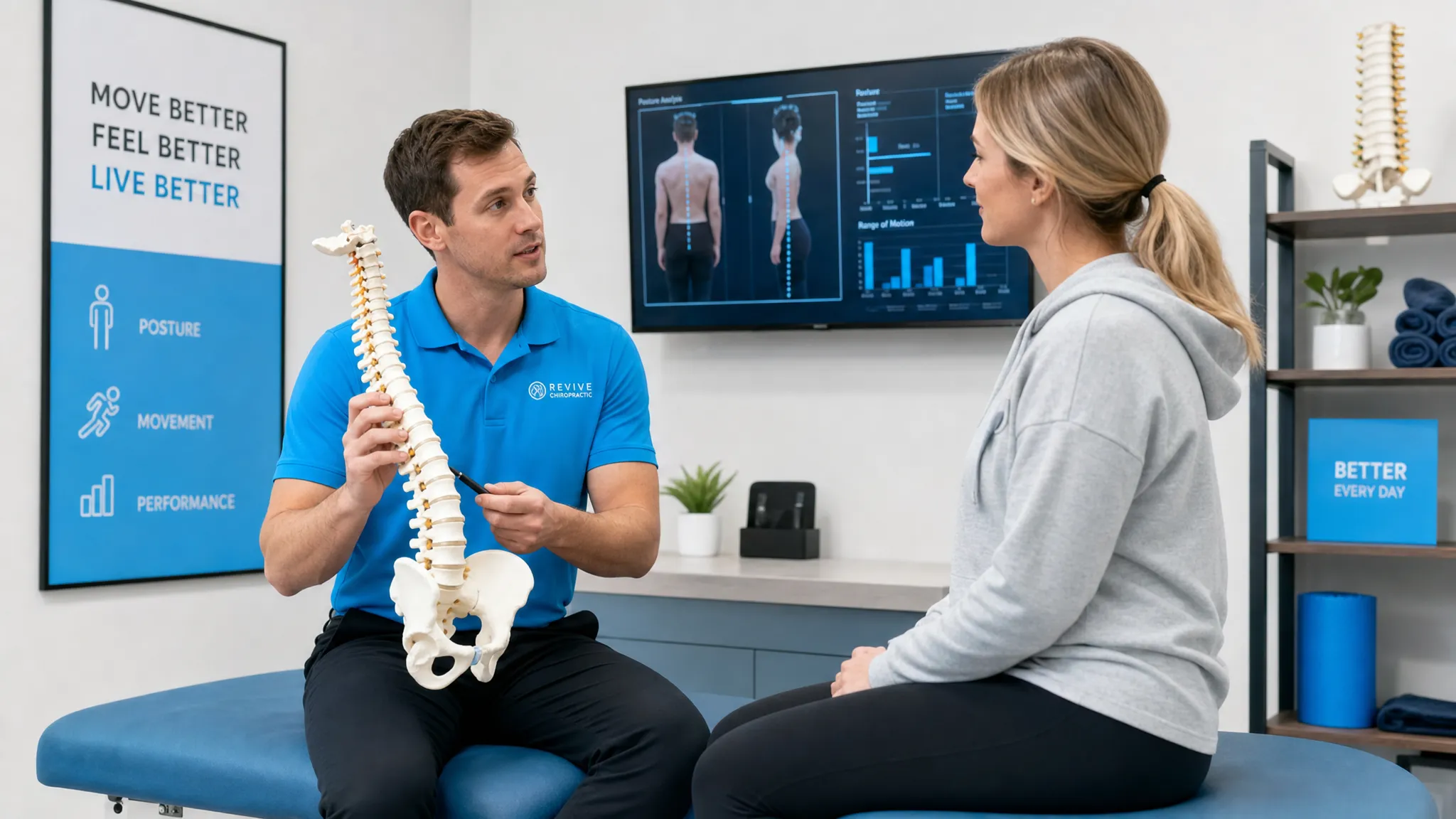
How Method Chiropractic Care Differs From a Standard Visit
The biggest difference is that method chiropractic care is built around a plan. It asks why pain is happening, which treatment is most appropriate, and how progress will be measured.
| Area of care | Standard chiropractic visit | Method chiropractic care |
|---|---|---|
| Main focus | Pain relief and joint adjustment | Pain relief, function, mobility, and long-term improvement |
| Evaluation | Often brief and symptom-focused | More detailed history, movement exam, and safety screening |
| Technique choice | May rely heavily on adjustment | Technique selected based on diagnosis, goals, and comfort |
| Patient role | Mostly passive care | Combination of hands-on care and active self-management |
| Progress tracking | Based mainly on pain changes | Pain, range of motion, function, activity tolerance, and recurrence |
| Integration | May be chiropractic only | May include rehab, acupuncture, sports medicine, or pain management when needed |
This does not mean standard care is “bad” or method-based care is always more complicated. The right level of care depends on the patient. But if you have recurring pain, multiple symptoms, or a condition that affects daily life, a more structured approach may provide better direction.
The First Visit Is More Diagnostic
In method chiropractic care, the first appointment is not just about finding where you feel sore. It is about understanding the pattern behind the pain.
For example, two people can both have low back pain but need very different care. One may have pain from prolonged sitting and tight hip flexors. Another may have pain that travels down the leg because of nerve irritation. A third may have a sports-related issue involving the hips, pelvis, and core control.
A more thorough first visit may include:
- Health history and review of prior injuries
- Posture and movement assessment
- Range of motion testing
- Orthopedic or neurological screening when appropriate
- Discussion of red flags that may require medical evaluation
- A clear explanation of likely pain contributors
This matters because chiropractic care should be matched to the patient. A high-velocity adjustment may be appropriate for one person, while a gentler technique may be better for someone with acute pain, sensitivity, arthritis, or anxiety about manual treatment.
Treatment Is Matched to the Goal, Not Just the Symptom
A standard visit often begins with the symptom: “My neck hurts.” Method chiropractic care goes a step further: “What do you need your neck to do again?”
That difference changes the treatment plan.
A patient who wants to sit comfortably through work may need posture coaching, desk setup changes, and upper back mobility work. A runner with hip and low back pain may need gait-related assessment, glute strengthening, and sports-focused rehabilitation. A patient with headaches may need evaluation of the neck, jaw, upper back, stress patterns, and possible migraine triggers.
This goal-based approach helps avoid generic treatment. It also gives patients a clearer sense of what improvement should look like beyond “less pain.” Improvement may mean walking farther, sleeping better, returning to workouts, lifting a child comfortably, or getting through a workday without flare-ups.
It Often Combines Passive and Active Care
Passive care is treatment done to you, such as an adjustment, mobilization, soft tissue therapy, acupuncture, or other hands-on techniques. Active care is what you do with guidance, such as corrective exercises, stretches, strengthening, breathing work, posture changes, or movement retraining.
Both can be valuable. The difference with method chiropractic care is that passive treatment is often used to create a window of better movement, then active care helps maintain that progress.
For example, an adjustment may improve spinal motion and reduce discomfort. But if your pain is driven by weak stabilizing muscles, poor hip mobility, or repeated desk posture, the relief may fade unless those factors are addressed.
This is one reason integrated clinics can be helpful. At Move Well MD, chiropractic care may be part of a broader care plan that can include physical rehabilitation, acupuncture treatments, sports medicine services, trigger point injections, or pain management when clinically appropriate. Not every patient needs every service, but having coordinated options can help when pain does not fit neatly into one category.
Safety Screening Plays a Bigger Role
A strong chiropractic method includes knowing when not to adjust. This is especially important for patients with severe pain, trauma, unexplained symptoms, progressive neurological changes, osteoporosis concerns, inflammatory conditions, or symptoms that may not be musculoskeletal.
Seek urgent medical attention before chiropractic care if you have symptoms such as loss of bladder or bowel control, numbness in the groin area, major weakness, fever with severe back pain, unexplained weight loss, chest pain, or pain after a serious fall or accident.
For non-emergency cases, a chiropractor may still recommend imaging, referral, or co-management if the exam suggests the problem needs additional evaluation. This is not a failure of chiropractic care. It is a sign of responsible healthcare.
The American College of Physicians recommends that many patients with low back pain start with non-drug therapies when appropriate, including spinal manipulation, exercise, heat, massage, acupuncture, and other conservative options. A method-based approach helps determine which conservative options make sense for each patient.
Progress Is Measured More Clearly
Pain scores are useful, but they do not tell the whole story. If your pain drops from an 8 to a 4, that is meaningful. But can you bend, walk, sleep, work, train, or climb stairs better? Are flare-ups less frequent? Do symptoms return more slowly? Are you relying less on medication or rest days?
Method chiropractic care usually tracks progress in practical ways. A provider may reassess range of motion, strength, nerve symptoms, activity tolerance, posture, or functional goals. This helps answer an important question: is the plan working?
If progress stalls, the plan should change. That may mean modifying technique, adding rehabilitation, changing visit frequency, referring for imaging, or coordinating with another healthcare professional.
Visit Frequency May Be More Strategic
Some patients worry that chiropractic care means endless appointments. A method-based plan should be more transparent than that. Visit frequency should be based on your condition, irritability of symptoms, response to care, and goals.
For acute pain, visits may be more frequent at first, then reduced as symptoms improve. For chronic or recurring problems, care may involve phases: pain control, mobility restoration, strength and function, then maintenance or prevention strategies if appropriate.
The key is that you should understand why you are coming in, what each phase is meant to accomplish, and what signs indicate you are ready to space out visits.
Who May Benefit Most From Method Chiropractic Care?
A more structured chiropractic approach can be especially useful for people who have more than a simple, short-term ache. This may include office workers, athletes, active adults, people with recurring flare-ups, and patients who have tried quick fixes without lasting results.
You may benefit from method chiropractic care if you are dealing with:
- Back or neck pain that keeps returning
- Sciatica-like symptoms, numbness, or tingling
- Headaches or migraines with neck tension
- Shoulder, hip, knee, or joint pain connected to movement mechanics
- Sports injuries or training-related pain
- Posture-related stiffness from desk work or commuting
- Pain that improves temporarily but comes back after normal activity
The goal is not to make care more complicated than necessary. The goal is to make it more precise.
How to Know If Your Chiropractor Uses a Method-Based Approach
You do not need to know every technique name to evaluate the quality of care. Pay attention to the process.
A method-based chiropractor should be able to explain what they found, why they recommend a certain treatment, what alternatives exist, and how you will know if the plan is working. They should also ask about your preferences. Some patients are comfortable with traditional adjustments. Others prefer gentler mobilization or want to avoid certain techniques. Good care respects that.
Consider asking these questions at your visit:
- What do you think is contributing to my pain?
- Are there any red flags or reasons I need imaging or referral?
- Which chiropractic method do you recommend for my case, and why?
- What should I do at home between visits?
- How many visits should we try before reassessing?
- What changes should I notice if treatment is working?
Clear answers build trust. Vague answers, pressure for long treatment packages, or the same plan for every patient are signs to slow down and ask more questions.
Method Chiropractic Care at an Integrated Manhattan Clinic
For New Yorkers, time matters. If you are balancing work, commuting, workouts, and family responsibilities, you need care that is focused and practical. A method-based approach can be more cost-effective because it aims to identify the right treatment path sooner, rather than relying on repeated trial and error.
Move Well MD provides chiropractic care as part of an integrated pain relief and mobility-focused clinic in Manhattan. Depending on your needs, care may include chiropractic treatment, acupuncture, physical rehabilitation, sports medicine, joint pain support, migraine or sciatica treatment, and broader pain management options.
That integrated model is especially useful when pain has more than one contributor. A stiff spine, irritated nerve, tight muscle, weak stabilizer, inflamed joint, or training error may all require different pieces of the plan.
Frequently Asked Questions
Is method chiropractic care the same as a specific chiropractic technique? Not necessarily. It usually refers to a structured, individualized approach rather than one single technique. The chiropractor may use adjustments, mobilization, soft tissue work, rehabilitation, or other methods based on your condition and goals.
Is method chiropractic care better than standard chiropractic care? It depends on your needs. Standard visits may be enough for simple stiffness or occasional discomfort. Method chiropractic care may be a better fit for recurring pain, injuries, nerve symptoms, or patients who want a clearer plan with progress tracking.
Will I still get an adjustment? Possibly. Many method-based plans include chiropractic adjustments, but they are not automatic for every patient. Your provider should choose the safest and most appropriate technique for your exam findings, comfort level, and health history.
How many visits will I need? There is no universal number. Acute issues may improve in fewer visits, while chronic or recurring problems may need a longer plan that includes rehabilitation and habit changes. A good chiropractor should reassess your progress and adjust the plan as needed.
Can chiropractic care be combined with acupuncture or physical therapy? Yes, for many patients, combining approaches can be helpful. Move Well MD offers chiropractic care alongside acupuncture, physical rehabilitation, sports medicine, and pain management services when clinically appropriate.
Take the Next Step Toward Better Movement
If you are tired of short-term relief that does not last, a more methodical approach to chiropractic care may help you understand what is driving your pain and what to do about it.
At Move Well MD, our Manhattan team focuses on personalized pain relief, mobility, and integrated care. Schedule a consultation to discuss your symptoms, your goals, and whether method chiropractic care is the right fit for your recovery plan.
