Sports injuries are not always dramatic. Sometimes the problem starts as a tight hip after a long run, a shoulder pinch during bench press, or lower back pain that shows up every time you return to the court. You rest, stretch, and modify workouts, but the same pattern keeps coming back.
That is often when a sports medicine chiropractor makes sense. The goal is not simply to “crack” a joint and send you home. The right provider evaluates how your spine, joints, muscles, mobility, and training habits work together, then builds a plan to relieve pain, restore movement, and reduce the risk of repeat injury.
Many patients begin with a search like “sports medicine chiropractor near me” because they want care that is practical, local, and focused on getting them back to activity. Here is how to know when that choice is appropriate, when you should see another medical provider first, and what to expect from a well-rounded sports injury visit.
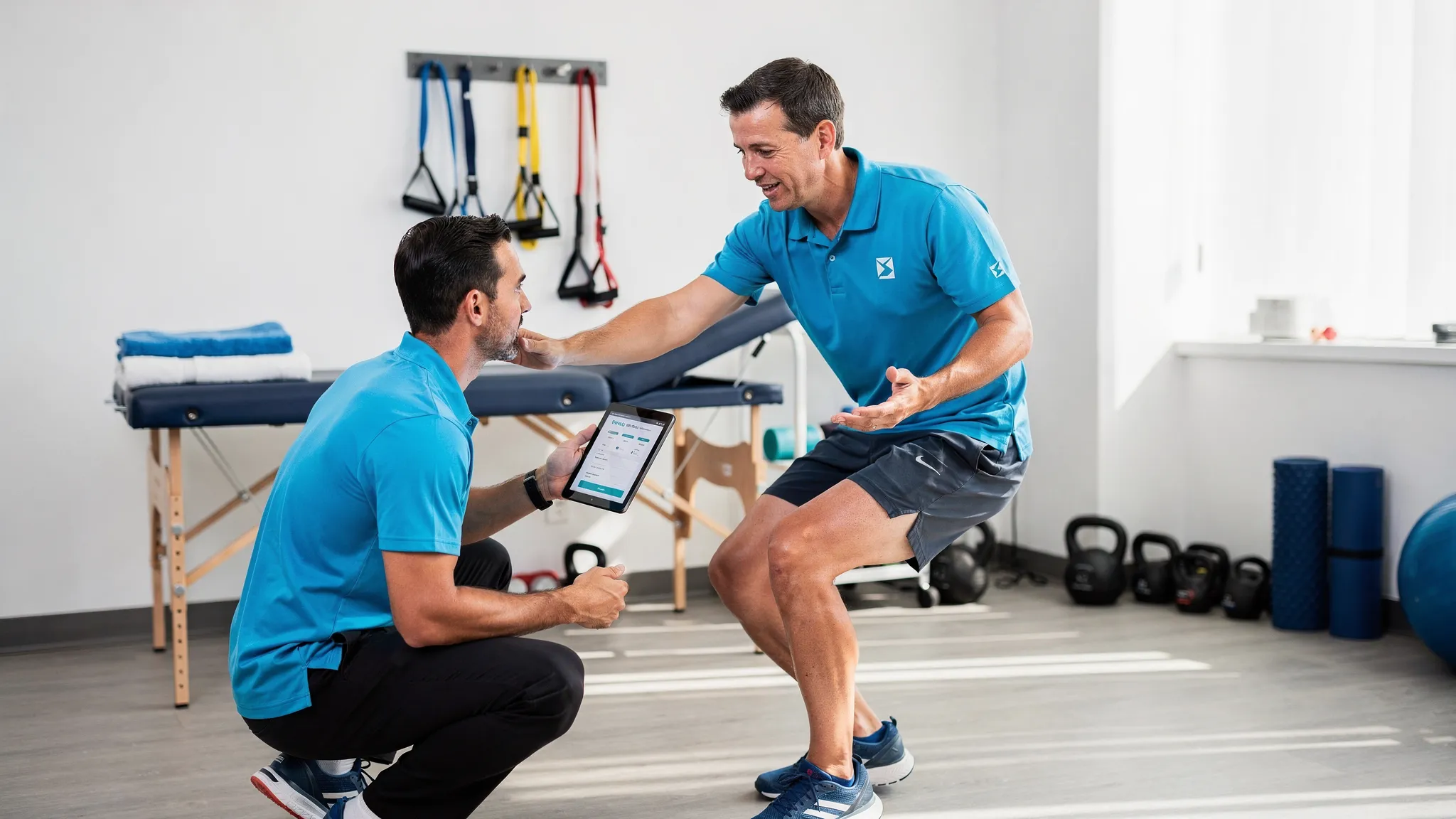
What Does a Sports Medicine Chiropractor Do?
A sports medicine chiropractor focuses on musculoskeletal problems that affect movement, performance, and recovery. That may include spinal pain, joint restrictions, muscle tension, overuse injuries, mobility limitations, and pain patterns that appear during exercise or daily activity.
Compared with a general wellness visit, a sports-focused chiropractic appointment should be more movement-oriented. The provider may assess your posture, gait, range of motion, strength, flexibility, joint mechanics, and the way your symptoms respond to specific positions or activities.
Treatment may include chiropractic adjustments, mobilization, soft tissue work, therapeutic exercise, rehab progressions, activity modification, and coordination with other services. At an integrated clinic such as Move Well MD, chiropractic care may be combined with acupuncture, physical therapy, sports medicine, pain management, trigger point injections, and rehabilitation when appropriate.
This kind of care is especially useful when pain is linked to how you move, train, sit, recover, or compensate after an old injury.
When a Sports Medicine Chiropractor Makes Sense
A sports medicine chiropractor can be a strong first step when your pain is mechanical, activity-related, and not accompanied by emergency warning signs. In plain English, that means your symptoms change with movement, position, load, or training volume.
You Have Pain That Shows Up During a Specific Activity
If your knee hurts only after running hills, your shoulder pinches only during overhead lifts, or your lower back flares after tennis, the issue may involve movement mechanics rather than a single isolated structure.
A sports-focused chiropractor can look beyond the painful area. For example, knee discomfort may be influenced by hip control, ankle mobility, running form, training load, or weakness in surrounding muscles. Shoulder pain may involve the neck, upper back, rib cage, rotator cuff, or scapular mechanics.
The goal is to identify why the painful pattern keeps appearing, not just calm symptoms temporarily.
You Keep Getting the Same Injury
Recurring strains, “tightness,” or flare-ups often point to an unresolved movement problem. If you repeatedly pull the same hamstring, aggravate the same side of your lower back, or feel the same calf tightness every time you increase mileage, your body may be compensating around a mobility, strength, or stability deficit.
A sports medicine chiropractor can help evaluate those contributing factors and build a plan that includes hands-on care plus corrective exercises. This matters because passive treatment alone rarely solves recurring sports injuries. Long-term progress usually requires better movement capacity, progressive loading, and smarter return-to-activity planning.
You Are Recovering From a Sprain, Strain, or Overuse Injury
Mild to moderate sprains, muscle strains, tendinopathies, and overuse injuries may benefit from conservative care when serious damage has been ruled out. Chiropractic care can be part of that plan, especially when joint stiffness, altered movement, or muscle guarding is slowing recovery.
For runners, cyclists, recreational athletes, and gym-goers, this may include guidance on modifying activity without stopping everything. Complete rest is not always the answer. Often, the better strategy is to adjust intensity, range of motion, load, frequency, and recovery while the injured tissue calms down and rebuilds tolerance.
Move Well MD has also covered common running concerns in its guide to running injuries and recovery, including why returning too quickly can lead to setbacks.
You Have Back or Neck Pain That Affects Training
Back and neck pain are common reasons people seek chiropractic care. For active patients, these symptoms may interfere with lifting, running, cycling, golf, martial arts, dance, or even daily commuting in New York City.
Clinical guidelines often recommend non-drug conservative options for many cases of acute and subacute low back pain. The American College of Physicians includes spinal manipulation among nonpharmacologic treatment options that may be considered for low back pain, depending on the patient and clinical picture.
That does not mean every back pain case should be treated the same way. A good sports medicine chiropractor should screen for red flags, assess neurological symptoms, and refer out when imaging or medical evaluation is needed.
You Want a Safer Return to Sport After Time Off
Returning after an injury, surgery, long work season, pregnancy, or months away from training can be tricky. Your cardiovascular fitness, strength, mobility, and tissue tolerance may not return at the same pace.
A sports medicine chiropractor can help you bridge the gap between “I feel better” and “I am ready to train hard again.” This may include mobility work, progressive strengthening, balance drills, sport-specific movement prep, and a step-by-step plan for increasing activity.
This is particularly important for sports with sudden acceleration, deceleration, rotation, jumping, or contact. Feeling pain-free during daily life does not always mean your body is ready for full-speed competition.
You Prefer a Drug-Free or Low-Medication Approach When Appropriate
Many patients want to reduce reliance on pain medication when conservative care is reasonable. Chiropractic care, physical therapy, acupuncture, and rehabilitation can all play a role in non-surgical pain management.
The National Center for Complementary and Integrative Health notes that spinal manipulation is used for conditions such as low back pain, neck pain, and headaches, while also emphasizing the importance of trained providers and appropriate safety screening.
A sports medicine chiropractor should not promise a cure or discourage necessary medical care. The best approach is collaborative, evidence-informed, and tailored to the condition.
When You Should See a Medical Doctor First
Chiropractic care can be helpful for many movement-related problems, but it is not the right first stop for every injury. Some symptoms need urgent medical evaluation, imaging, or specialist care before hands-on treatment.
| Situation | Sports medicine chiropractor may make sense | See a physician or urgent care first |
|---|---|---|
| Mild back tightness after training | Pain changes with movement and no neurological symptoms | Loss of bladder or bowel control, saddle numbness, major weakness |
| Ankle or knee pain after activity | You can bear weight and swelling is mild | Severe swelling, deformity, inability to bear weight, suspected fracture |
| Shoulder pain with lifting | Gradual onset, stiffness, limited mobility | Sudden traumatic injury, visible deformity, major loss of strength |
| Headache or neck tension | Related to posture, muscle tension, or training load | Worst headache of your life, fever, confusion, neurological symptoms |
| Post-workout soreness | Typical soreness that improves over days | Severe pain, dark urine, extreme swelling, or systemic illness |
As a rule, seek medical care first if symptoms are severe, worsening, traumatic, neurological, or unusual for you. A trustworthy chiropractor will welcome that step and coordinate care when needed.
Sports Chiropractor, Physical Therapist, or Sports Medicine Physician?
These roles can overlap, but they are not identical. The best choice depends on your condition, goals, and whether you need diagnosis, rehabilitation, imaging, medication, injections, or manual therapy.
| Provider type | Often helps with | Common tools |
|---|---|---|
| Sports medicine chiropractor | Spine and joint mechanics, movement-related pain, mobility limits, neuromusculoskeletal issues | Adjustments, mobilization, soft tissue work, corrective exercise, movement assessment |
| Physical therapist | Strength, mobility, post-surgical rehab, functional recovery, progressive loading | Therapeutic exercise, manual therapy, gait training, balance work, home programs |
| Sports medicine physician | Medical diagnosis, complex injuries, imaging decisions, medication or injection planning | Physical exam, imaging referrals, medications, injections, specialist referral |
| Acupuncturist | Pain modulation, muscle tension, stress-related symptoms, complementary recovery support | Acupuncture, cupping, traditional and modern needling approaches |
In many cases, you do not need only one. Integrated care can be more efficient when providers communicate and build one plan around your goals. For example, a patient with shoulder pain may need chiropractic assessment of the neck and upper back, physical therapy for rotator cuff strengthening, and pain management input if symptoms are persistent.
What a Good Sports Chiropractic Visit Should Include
A quality visit should begin with a thorough history. Your provider should ask what happened, where symptoms are located, what makes them better or worse, what your sport requires, and what you have already tried.
The exam may include orthopedic testing, neurological screening, mobility assessment, strength testing, gait or movement observation, and palpation of painful or restricted areas. Imaging is not automatically required for every injury. In fact, many guidelines advise avoiding routine imaging for uncomplicated low back pain unless red flags are present. The American Academy of Family Physicians highlights this Choosing Wisely recommendation.
Your treatment plan should be specific. “Come in three times a week forever” is not a meaningful rehab strategy. A better plan explains what is being treated, how progress will be measured, what you should do at home, and when the plan will be reassessed.
How to Choose the Right Provider
If you are comparing options online, look for more than a polished website. Clear service descriptions, patient education, and easy scheduling are helpful, and healthcare practices may work with a digital marketing and design agency to make that information easier to find. Still, your decision should come down to credentials, clinical approach, communication, and whether the provider understands your activity goals.
Ask practical questions before starting care:
- Do you treat athletes or active patients with my type of injury?
- How do you decide whether I need imaging or referral?
- Will my plan include rehab exercises or only hands-on treatment?
- How will we measure progress?
- Can you coordinate with physical therapy, acupuncture, or pain management if needed?
You should feel heard during the visit. A sports medicine chiropractor should ask about your goals, whether that means finishing the NYC Marathon, returning to pickleball, lifting without pain, or simply walking around Manhattan without stiffness.
Why Integrated Care Matters for Active New Yorkers
New York City creates unique physical demands. You may walk thousands of steps a day, climb subway stairs, sit for long hours, carry bags, train in small gyms, or squeeze workouts into a packed schedule. Pain rarely has one cause in that environment.
That is why an integrated approach can be valuable. At Move Well MD in Manhattan, care may include chiropractic treatment, acupuncture, physical therapy, sports medicine services, comprehensive pain management, trigger point injections, and physical rehabilitation. For patients with knee pain, shoulder pain, sciatica, migraines, or sports-related joint pain, having multiple conservative options in one care environment can help create a more complete plan.
The right treatment depends on the diagnosis. Some patients need mobility and adjustments. Others need strengthening, load management, acupuncture, soft tissue work, or medical pain management. Many need a combination.
Frequently Asked Questions
Is a sports medicine chiropractor only for competitive athletes? No. Sports medicine chiropractic care can help recreational runners, cyclists, lifters, dancers, weekend athletes, and active people who want to move with less pain. You do not need to be a professional athlete to benefit from movement-focused care.
Can a chiropractor help with running injuries? A chiropractor may help with certain running-related problems, especially when pain is linked to mobility restrictions, joint mechanics, muscle imbalance, or training errors. However, suspected stress fractures, severe swelling, or pain that worsens with weight-bearing should be medically evaluated.
Do I need an X-ray or MRI before seeing a sports chiropractor? Not always. Many musculoskeletal issues can be evaluated clinically first. Imaging may be appropriate after trauma, with neurological symptoms, when red flags are present, or when symptoms do not improve as expected.
How many visits will I need? It depends on the injury, severity, duration of symptoms, your activity goals, and how consistently you follow home recommendations. A good provider should reassess progress and adjust the plan rather than keeping you on the same schedule indefinitely.
Is chiropractic care safe for sports injuries? Chiropractic care is generally considered safe for appropriately selected patients when performed by a licensed, trained provider. Safety depends on proper screening, accurate diagnosis, and avoiding techniques that are not appropriate for your condition.
Ready to Move Better?
A sports medicine chiropractor makes sense when pain, stiffness, or recurring injury is limiting the way you train, work, or live. The key is choosing care that looks at the whole movement picture, not just the painful spot.
If you are dealing with back pain, neck pain, joint pain, sciatica, migraines, knee or shoulder discomfort, or a sports-related injury, Move Well MD offers integrated care in Manhattan with chiropractic, acupuncture, physical therapy, sports medicine, rehabilitation, and pain management options. Visit Move Well MD to learn more or schedule an appointment.
