Massage after chiropractor care can be helpful, especially when tight muscles keep pulling you back into the same painful pattern. The key is timing. A gentle massage may feel great after an adjustment, but deep tissue work too soon after treatment can irritate already sensitive tissues in some people.
A safe plan depends on why you saw the chiropractor, how your body responded to the adjustment, your health history and the type of massage you are considering. Use the guidance below to decide when massage makes sense, when to wait and what symptoms should prompt a call to your clinician.
Can You Get a Massage After Chiropractor Care?
For many people, yes. Massage and chiropractic care often work well together because they target different parts of the same movement problem. Chiropractic care focuses on joint motion, spinal mechanics and nervous system irritation. Massage focuses more on muscles, fascia and soft tissue tension.
If your adjustment restored motion but your neck, shoulders, hips or low back still feel guarded, massage may help the surrounding muscles relax. That can make it easier to move comfortably and may reduce the cycle of tension that brings pain back.
Still, massage is not automatically the right next step after every chiropractic visit. If your symptoms are acute, inflamed, radiating or unusually intense, your provider may recommend rest, light movement, ice or a follow-up evaluation before adding massage.
The National Center for Complementary and Integrative Health notes that massage therapy is generally safe when performed by a trained practitioner, but certain medical conditions require extra caution. The same is true for spinal manipulation. It is safest when your care team understands your symptoms and screens for risks before treatment.
The Best Timing for Massage After a Chiropractic Adjustment
There is no single perfect waiting period for everyone. Some patients can receive massage the same day as chiropractic care, while others do better waiting 24 to 48 hours. The right timing depends on tissue sensitivity and treatment goals.
| Situation | Suggested timing | Why it may help |
|---|---|---|
| Mild stiffness after a routine visit | Same day or within 24 hours | Gentle massage may reduce muscle guarding and improve comfort |
| First chiropractic adjustment or new treatment area | Wait 24 to 48 hours | Gives your body time to respond before adding more input |
| Post-adjustment soreness | Wait until soreness improves | Massage too soon may make sensitive tissues feel more irritated |
| Acute injury, swelling or sharp pain | Ask your provider before booking | These symptoms may need evaluation before soft tissue work |
| Radiating pain, numbness or weakness | Get clinical guidance first | Nerve-related symptoms require a more cautious plan |
Same-day massage is usually best when it is planned, gentle and coordinated with the reason you had chiropractic care. For example, if your chiropractor addressed restricted movement in the upper back, light to moderate work on the shoulders and neck may support the adjustment without overloading the area.
If you are still deciding whether massage should come before or after an adjustment, Move Well MD has a separate guide on the best order for combining massage and chiropractic adjustment that breaks down common scenarios.
When Same-Day Massage Can Make Sense
A massage soon after chiropractic care may be reasonable if your symptoms are stable and your provider has not advised against it. It is often most useful when muscle tightness is clearly contributing to your discomfort.
Good candidates for same-day or next-day massage often have tight shoulders from desk posture, low back stiffness without radiating symptoms, general muscle tension after travel or mild soreness from overuse. In these cases, massage can help calm the soft tissue around the joints that were treated.
The massage should not feel like a test of pain tolerance. After an adjustment, your body is already processing new movement information. The goal is to support that process, not force tissues into submission.
Choose relaxation massage, light sports massage or focused therapeutic work with moderate pressure. Ask the therapist to avoid aggressive pressure directly over areas that feel newly sore from the adjustment.
When You Should Wait Before Getting a Massage
Waiting is often the safer choice if your body feels highly reactive after chiropractic care. A little soreness can be normal, especially after a first visit or after working on a stiff area. Strong massage during that window may add too much mechanical stress.
Consider waiting at least 24 to 48 hours if you have significant tenderness, fatigue, headache, dizziness, a flare-up of pain or a new sensation that you did not have before your appointment. If symptoms are severe or worsening, do not book a massage as a workaround. Contact your chiropractor or another medical provider for guidance.
You should also pause and seek medical advice before massage if you recently had a fall, car accident, fracture, surgery, infection, blood clot, unexplained swelling or a new neurological symptom. Massage can be beneficial, but it is not appropriate for every pain presentation.
For a deeper look at what is expected after an adjustment, see Move Well MD's guide to pain after a chiropractic adjustment, including what is normal and what is not.
How Much Pressure Is Safe After Chiropractic Care?
The safest pressure after an adjustment is usually light to moderate. Your muscles may be adapting to changes in joint motion, so heavy pressure can create unnecessary soreness, especially around the neck, low back, ribs and hips.
Deep tissue massage is not always unsafe after chiropractic care, but timing matters. It may be better a day or two later, once you know how your body responded to the adjustment. If you do choose deeper work, it should be precise, gradual and easy to modify based on your feedback.
Avoid the idea that massage has to hurt to work. Pain during treatment can cause the nervous system to guard more, which is the opposite of what most people want after chiropractic care. Productive pressure should feel relieving or tolerable, not sharp, electric, nauseating or breath-holding intense.
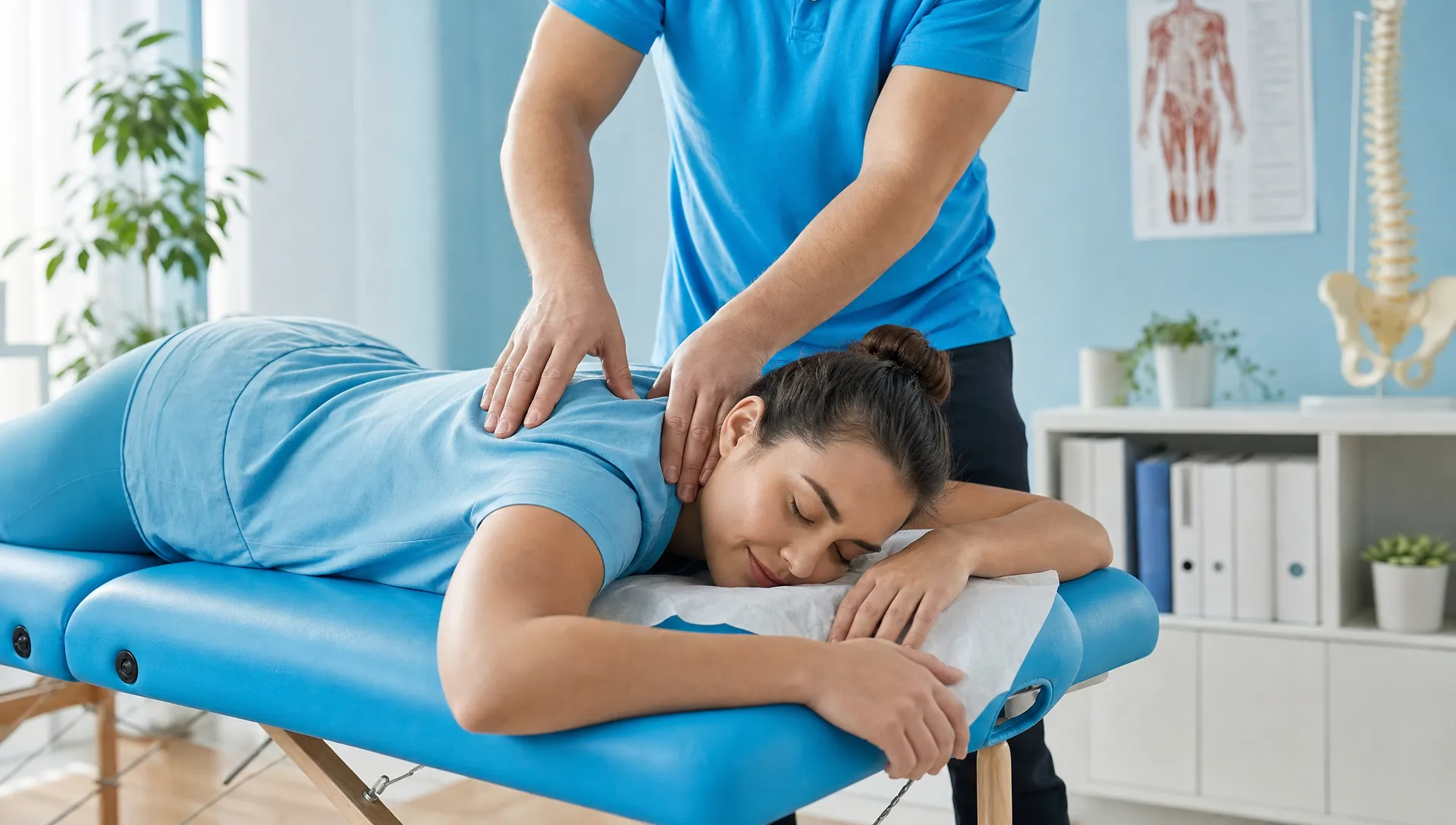
Safety Tips Before Booking Massage After Chiropractor Care
The safest massage after chiropractor care starts with communication. Your massage therapist does not need every detail of your medical history, but they do need to know what was treated, what still hurts and what your chiropractor recommended.
Before your session, tell the therapist if you had an adjustment that day, where you feel sore, whether symptoms travel into your arm or leg and whether any movements make pain worse. Mention medical conditions such as osteoporosis, cancer history, blood clotting disorders, pregnancy, neuropathy, recent surgery or use of blood thinners.
Use these practical safety checks:
- Start with lighter pressure than usual, especially after a first chiropractic visit.
- Avoid aggressive work directly over sharp, swollen or bruised areas.
- Stop the session if you feel numbness, tingling, dizziness, nausea or worsening pain.
- Choose a licensed or properly credentialed massage therapist.
- Follow any activity restrictions your chiropractor or physician gave you.
After the massage, pay attention to how your body responds over the next 24 hours. Mild soreness can happen, but symptoms should trend toward easier movement and less guarding. If pain escalates or new neurological symptoms appear, get professional advice.
What to Do Between the Adjustment and Massage
If you are scheduling massage later the same day, give your body a little time to settle after the adjustment. A short walk, easy breathing and normal hydration are usually better than rushing straight into intense activity.
Avoid heavy lifting, maximal gym sessions or long periods of sitting immediately after treatment if those activities tend to trigger your pain. Gentle movement helps your nervous system integrate the new range of motion without adding strain.
Do not use massage to override a warning sign. If your pain feels different, sharper or more widespread after a chiropractic visit, message or call the office before booking bodywork. The answer may be simple, but your provider should know what changed.
Massage After Chiropractor Care for Common Pain Patterns
Different pain patterns need different levels of caution. A tight upper back from posture is not the same as sciatica, a migraine pattern or acute neck pain after trauma.
For neck and shoulder tightness, massage after chiropractic care may help if the pressure stays comfortable and avoids aggressive twisting or traction. This is especially true when muscle guarding around the upper traps, levator scapulae and suboccipital muscles contributes to headaches or stiffness.
For low back pain, massage can reduce protective tension in the glutes, hip flexors and lumbar muscles. If pain travels below the knee, comes with numbness or worsens with coughing or sneezing, get guidance before massage. Those symptoms may suggest nerve involvement.
For sports-related soreness, massage may support recovery when paired with appropriate load management. It should not be used to push through a suspected tear, stress fracture or joint instability.
For jaw, head and neck discomfort, remember that not all pain is spinal or muscular. Dental problems, bite changes and jaw conditions can refer pain into the face, head or neck. If tooth pain, gum swelling or bite pain is part of the picture, a dental evaluation is appropriate, and clinics such as All About Smiles highlight how comprehensive dental care can address oral health issues that may overlap with broader head and neck symptoms.
Should You Tell Your Chiropractor About Your Massage Plans?
Yes. Your chiropractor can help you choose the best timing, pressure and treatment area based on your exam findings. This is especially helpful if you are receiving care for sciatica, migraines, shoulder pain, knee pain, postural strain or recurring sports injuries.
Coordinated care reduces guesswork. If your chiropractor knows you plan to get massage, they may suggest waiting a day, focusing on a specific muscle group or avoiding certain positions. If your massage therapist knows what your chiropractor is treating, they can avoid working against the plan.
Massage may also fit into a broader care strategy that includes mobility work, strengthening, acupuncture, physical therapy or pain management. At Move Well MD, the focus is on helping patients move better through personalized, integrated care rather than treating one symptom in isolation.
How to Know Massage Is Helping
A good response to massage after chiropractor care is not just feeling relaxed on the table. The more meaningful signs show up in your daily movement.
You may notice that it is easier to turn your head, stand from a chair, take a full breath, walk without guarding or sleep without waking from tension. Pain does not have to disappear immediately for the treatment to be useful, but your function should gradually improve.
If you feel better for only a few hours and then symptoms return exactly the same, the plan may need adjustment. You may need more active rehab, ergonomic changes, strengthening, medical evaluation or a different treatment sequence. Passive care can be useful, but long-term improvement often requires identifying why the area keeps tightening in the first place.
Frequently Asked Questions
Is massage after chiropractor care safe? It is often safe when symptoms are stable and the massage is performed by a qualified professional using appropriate pressure. If you have acute injury, radiating pain, numbness, weakness, swelling or a complex medical history, ask your provider first.
How long should I wait to get a massage after an adjustment? Many people do well with same-day gentle massage or massage within 24 hours. If it was your first adjustment, you feel sore or your symptoms are acute, waiting 24 to 48 hours is often more comfortable.
Can deep tissue massage after chiropractic care make pain worse? Yes, it can if the area is already irritated or if pressure is too aggressive. Deep tissue work may be better after your body has settled from the adjustment and should always be adjusted to your tolerance.
Should I get massage before or after a chiropractor visit? Massage after chiropractic care may help relax muscles around newly improved joint motion. Massage before care may be better when severe muscle tightness makes movement difficult. The best order depends on your symptoms and treatment goals.
What should I do if I feel worse after massage and chiropractic care? Mild soreness can happen, but worsening pain, new numbness, weakness, dizziness, severe headache or pain spreading down an arm or leg should be discussed with your chiropractor or a medical professional promptly.
Get Personalized Guidance Before You Combine Treatments
Massage after chiropractor care can be a smart part of pain relief, but the details matter. Timing, pressure and the type of pain you have all change the safest plan.
If you are dealing with neck pain, back pain, joint pain, sciatica, migraines or sports-related discomfort in Manhattan, Move Well MD can help you understand what combination of chiropractic care, acupuncture, physical therapy and pain management may fit your situation. A coordinated plan gives you a better chance of moving freely without guessing what to do next.
