If you are weighing acupuncture and pain relief, the most useful question is not whether acupuncture “works” in a general sense. It is whether it is a reasonable next step for your specific pain pattern, health history and goals. For many people with back pain, neck tension, headaches or joint discomfort, acupuncture can be worth considering when symptoms keep returning despite rest, stretching or over-the-counter medication.
Acupuncture is not a magic reset button and it should not replace urgent medical care when pain signals something serious. It may, however, fit well into a broader plan that includes chiropractic evaluation, rehabilitation, movement coaching and other pain management tools. The value is often highest when your clinician uses acupuncture to reduce pain enough for you to move better, sleep better and participate more consistently in rehab.
Acupuncture and pain: what the evidence suggests
Acupuncture involves inserting very thin, sterile needles into specific points on the body. In traditional East Asian medicine, treatment is often described in terms of restoring balance and supporting the flow of qi. In a biomedical framework, acupuncture may influence nerves, connective tissue, local blood flow, muscle tone and pain signaling.
The National Center for Complementary and Integrative Health notes that acupuncture has been studied for several pain conditions, including low back pain, neck pain, osteoarthritis and headaches. The results vary by condition and study design, but the evidence is strong enough that many conventional clinicians now view it as a reasonable non-drug option for selected patients.
The strongest case for acupuncture and pain care is usually not “try it for everything.” It is more practical: use it when pain appears to involve muscle guarding, nervous system sensitivity, recurring tension or chronic irritation rather than a problem that clearly requires emergency treatment, surgery or medication first.
Pain conditions where acupuncture may be worth trying
Acupuncture is often considered for musculoskeletal pain, especially when symptoms are persistent but not medically dangerous. It may be particularly useful when pain is limiting your ability to exercise, tolerate physical therapy or sleep comfortably.
The American College of Physicians included acupuncture among non-drug options for low back pain in its 2017 clinical practice guideline. That does not mean every case of back pain needs acupuncture, but it does support the idea that nonpharmacologic care can be a sensible first step for many patients.
| Pain concern | Why acupuncture may help | When it may be worth trying |
|---|---|---|
| Low back pain | May reduce muscle guarding and pain sensitivity | Symptoms linger beyond a few days or keep returning |
| Neck and shoulder tension | May calm irritated soft tissue and trigger points | Desk posture, stress or repetitive movement seems involved |
| Knee osteoarthritis | May help manage pain alongside strengthening | Stairs, walking or squatting feel limited |
| Headaches and migraines | May reduce tension patterns and nervous system reactivity | Headaches are recurrent and medically evaluated |
| Sciatica-like symptoms | May ease surrounding muscle tension and sensitivity | Pain is stable and no red flags are present |
When acupuncture is not the first thing to try
Acupuncture is not appropriate as the first response to severe, unexplained or rapidly worsening symptoms. New weakness, loss of bladder or bowel control, fever with back pain, major trauma, chest pain, sudden severe headache or numbness in the groin area should be treated as urgent medical concerns.
For acupuncture and pain decisions, timing matters. If your pain began after a fall, car accident or sports injury, a proper evaluation should come before symptom-focused treatment. The goal is to rule out fracture, nerve compression, infection or another condition that needs a different level of care.
It is also worth being cautious if you have a bleeding disorder, take blood thinners, are pregnant, have a pacemaker or have an active skin infection near the treatment area. These do not always rule out acupuncture, but they should shape the treatment plan and safety precautions.
What a good first visit should include
A first acupuncture appointment for pain should feel like a clinical evaluation, not a rushed needle session. Your provider should ask where the pain is, when it started, what makes it better or worse and whether it travels into the arms or legs. They should also ask about medical history, medications, surgeries, activity level and prior imaging when relevant.
At Move Well MD, acupuncture is part of a broader care environment that also includes chiropractic care, rehabilitation, sports medicine and pain management. That integrated view matters because pain rarely has only one driver. A tight hip, irritated low back, weak glutes and poor sleep can all feed the same pain cycle.
If you are new to treatment, this guide to a first-time acupuncture visit in New York answers many of the practical questions patients tend to ask before booking.
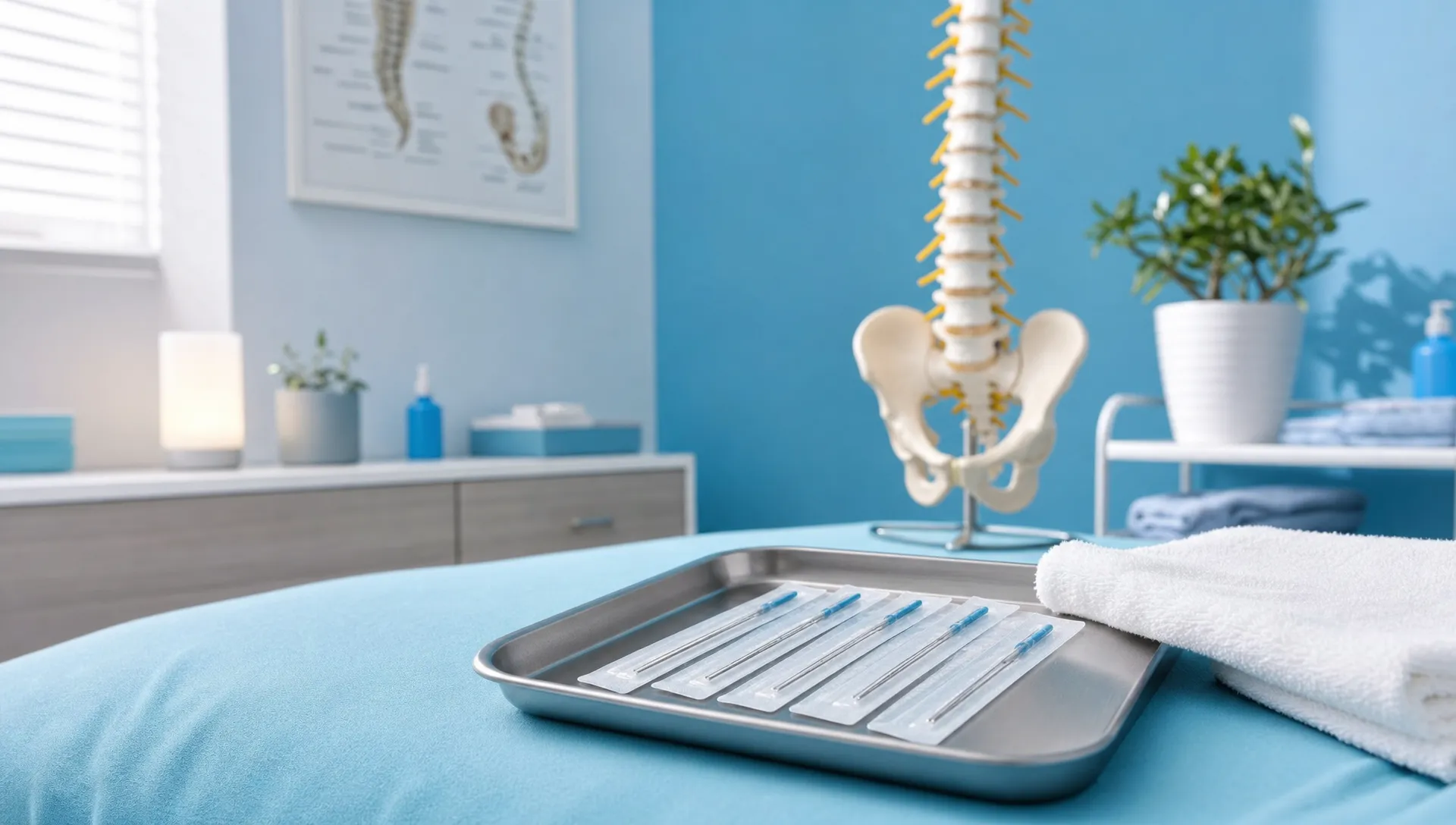
How acupuncture fits with chiropractic, rehab and pain management
Acupuncture can be helpful on its own, but many patients get better results when it is part of a coordinated plan. Chiropractic care may address joint mobility and spinal mechanics. Rehab can rebuild strength, balance and movement tolerance. Pain management can help when symptoms are more complex, persistent or inflammatory.
When acupuncture and pain management are coordinated, treatment can be more targeted. For example, a patient with recurring low back tightness might use acupuncture to reduce sensitivity, chiropractic care to improve mobility and rehab exercises to prevent the same pattern from returning. A patient with knee pain may need soft tissue work, strengthening and activity modification rather than needles alone.
If you want a deeper look at the combined approach, Move Well MD explains how pain management and acupuncture can work together for both acute and chronic symptoms.
How many sessions before you judge results
Some people feel looser or calmer after one visit. Others need several sessions before they can tell whether acupuncture is changing their pain pattern. A fair trial often depends on how long the issue has been present, how irritable the tissue is and whether you are changing the habits that keep aggravating it.
For a recent flare-up, your clinician may reassess after a short series of visits. For chronic pain, the plan may involve a longer runway and clearer tracking. Useful markers include pain intensity, sleep quality, medication use, walking tolerance, sitting tolerance and whether you can perform rehab exercises with less discomfort.
You should not keep going indefinitely without progress. If pain does not change after an appropriate trial, the plan should be adjusted. That might mean a different diagnosis, a modified rehab program, imaging referral or another pain management option.
What acupuncture feels like and what can happen after
Most acupuncture needles are much thinner than the needles used for injections or blood draws. You may feel a quick pinch, dull ache, heaviness, warmth, tingling or nothing at all. The sensation should be tolerable. Sharp, lingering pain should be mentioned during the session so the provider can adjust the needle.
After treatment, some patients feel relaxed or sleepy. Others notice temporary soreness, mild bruising or a short-term shift in symptoms before improvement. These responses are usually mild, but your clinician should tell you what is normal and what is not.
If you want more detail before your appointment, this overview of what to expect after acupuncture treatment explains common post-treatment responses in plain language.
Needle-based treatments are not all the same
People sometimes group all needle procedures together, but acupuncture is different from injections, dry needling and cosmetic microneedling. Acupuncture is typically used to influence pain, tension and nervous system regulation through specific points. Trigger point injections deliver medication into painful muscle areas. Microneedling is usually a skin-focused procedure that creates controlled micro-injuries to support collagen remodeling, as explained in this guide to microneedling for acne scars.
Understanding the distinction helps you ask better questions. If your goal is pain relief, you want a provider who can evaluate movement, tissue sensitivity, nerve symptoms and medical red flags. The fact that a treatment uses needles does not mean it serves the same purpose or has the same risk profile.
Safety questions to ask before starting
A safe acupuncture and pain plan should include sterile, single-use needles, a clean treatment environment and a provider who explains why particular points or techniques are being used. You should also feel comfortable sharing your medical history, including pregnancy, fainting history, immune issues, blood thinner use or implanted electrical devices.
Ask how the clinician will measure progress. Pain can fluctuate from day to day, so a good plan tracks function as well as symptoms. Can you sit through dinner more comfortably? Can you walk farther? Are headaches less frequent? Are you relying less on rescue medication? These practical outcomes matter more than whether a treatment felt relaxing for 30 minutes.
It is also reasonable to ask how acupuncture will coordinate with chiropractic care, rehab exercises or other treatments you are receiving. Good care should feel connected, not like a collection of unrelated appointments.
A simple decision framework: is it worth trying?
Acupuncture may be worth trying when your pain has been evaluated, serious causes are unlikely and you want a non-drug option to support recovery. It is especially reasonable if muscle tension, stress, poor sleep or chronic sensitivity seems to keep the pain cycle active.
It may be less useful as a standalone option if your pain is mainly driven by an unstable injury, a major strength deficit, ongoing overuse or a condition that requires medical intervention. In those cases, acupuncture might still play a supporting role, but it should not become the whole plan.
Use these questions to guide the decision:
- Has a clinician evaluated the pain and ruled out urgent warning signs?
- Do you have a clear goal, such as better sleep, less stiffness or improved walking tolerance?
- Will acupuncture be paired with movement, rehab or lifestyle changes when needed?
- Is there a plan to reassess after a defined number of sessions?
- Do you feel informed about risks, benefits and alternatives?
Frequently Asked Questions
Does acupuncture hurt? Most patients describe acupuncture as mild or tolerable. You may feel a pinch, dull ache, warmth or tingling. If a needle feels sharply painful, tell the provider so it can be adjusted.
Can acupuncture and pain medication be used together? Often, yes, but your clinician should know what you take, how often you take it and whether you use blood thinners or medications that affect bleeding risk. Never stop prescribed medication without speaking with the prescribing clinician.
How quickly will I know if acupuncture is helping? Some people notice changes after one visit, but chronic pain often requires several sessions before a clear pattern appears. Track function, sleep and activity tolerance, not pain intensity alone.
Is acupuncture enough for back pain or joint pain? Sometimes it helps significantly, but recurring pain often needs a broader plan that includes mobility work, strengthening, posture changes, load management or chiropractic care.
Considering acupuncture in Manhattan?
If pain is limiting how you move, sleep or train, the next step is a personalized evaluation. Move Well MD offers chiropractic care, acupuncture, rehabilitation and pain management in Manhattan, with treatment plans built around helping patients move more comfortably and return to daily life with less pain.
