Recovery is not just what you do after training. It is the way your joints, muscles, nerves and workload all communicate before the next run, lift, match or class. sports chiropractic & massage can make that process more structured by pairing movement-based assessment with soft tissue care, then tying both to the demands of your sport.
For active New Yorkers, the challenge is rarely motivation. It is fitting recovery into a packed schedule without wasting time on treatments that feel good for an hour but do not change how you move. A sensible plan should answer three questions: what is irritated, why did it get overloaded and what has to change so you can train again safely?
What sports chiropractic & massage can do for recovery
The goal of sports chiropractic & massage is not to chase every tight spot or adjust every joint. The goal is to improve how your body tolerates load. That may mean restoring motion in a stiff area, calming protective muscle guarding, improving tissue quality or modifying your training while symptoms settle.
A good sports recovery plan starts with an evaluation. Your provider should ask about training volume, recent changes, prior injuries, sleep, footwear, workstation habits and the exact movements that trigger pain. The exam may include range of motion testing, orthopedic testing, strength checks, gait observation and sport-specific movement screening.
The chiropractic side of the plan
Sports-focused chiropractic care often addresses joint mechanics, spinal mobility and nervous system irritation. For example, limited hip motion can shift stress into the low back during squats, while poor thoracic mobility can make overhead pressing feel like a shoulder problem. The treatment may include adjustments, joint mobilization, corrective exercise and advice on load management.
This is also where clinical judgment matters. Radiating pain, numbness, unexplained weakness, significant swelling or pain after a fall may need a different pathway than routine soreness. If your symptoms sound more complex, a sports-focused chiropractic evaluation can help determine whether conservative care is appropriate or whether referral is needed.
The massage side of the plan
Massage supports recovery by addressing soft tissue tension, local tenderness and guarding patterns that limit comfortable movement. It may help reduce perceived muscle soreness, improve short-term range of motion and make corrective exercise easier to perform. For athletes, the key is matching pressure and timing to the goal.
Deep pressure is not always better. Before a competition, aggressive soft tissue work can leave you sore or sluggish. After a hard training block, lighter recovery massage may be more useful than intense trigger point work. When sports chiropractic & massage is coordinated, the pressure, timing and exercise plan should all serve the same purpose.
The order matters more than most athletes think
Some athletes feel best with massage first because soft tissue work reduces guarding before joint mobilization. Others need a chiropractic assessment first, especially when pain is sharp, radiating or linked to a specific joint position. The right order depends on the main driver of symptoms.
If the issue feels like generalized tightness, massage may prepare the area for better movement. If the issue feels like joint restriction, nerve irritation or pain with a specific movement pattern, chiropractic assessment often comes first. Move Well MD has a deeper breakdown of the best order for massage and chiropractic adjustment if you are trying to decide how to sequence care.
A simple rule helps: use massage to improve tissue tolerance, use chiropractic care to improve mechanics and use exercise to make the change last. None of the three should replace smart training decisions.
How a sports chiropractic & massage recovery plan is built
A practical sports chiropractic & massage plan should be specific enough to guide decisions but flexible enough to change as you improve. Most plans include three layers: symptom relief, movement correction and return-to-training progression.
| Recovery layer | Main purpose | Examples of care |
|---|---|---|
| Symptom relief | Calm pain and reduce protective guarding | Gentle mobilization, massage, acupuncture, modified activity |
| Movement correction | Improve how joints and muscles share load | Adjustments, corrective exercise, mobility drills, gait or lifting cues |
| Return to training | Rebuild capacity without flare-ups | Progressive loading, sport-specific drills, recovery scheduling |
The best plans are measurable. Instead of relying only on how you feel on the treatment table, track what matters to your sport. A runner might monitor pain during the first mile, next-day soreness and weekly mileage. A lifter might track depth, bar speed, grip tolerance and symptom response 24 hours later.
Session timing and recovery windows
Timing matters. If your session includes deeper massage or more intense manual therapy, allow time before heavy training. Many athletes do well with lighter movement the same day, then a return to harder work the next day if symptoms are calm. After a more reactive flare-up, your provider may recommend a longer recovery window.
If you are combining treatments, it is worth reviewing basic massage after chiropractic care timing so you are not stacking too much input into one day. More treatment is not automatically better, especially when tissues are irritated.
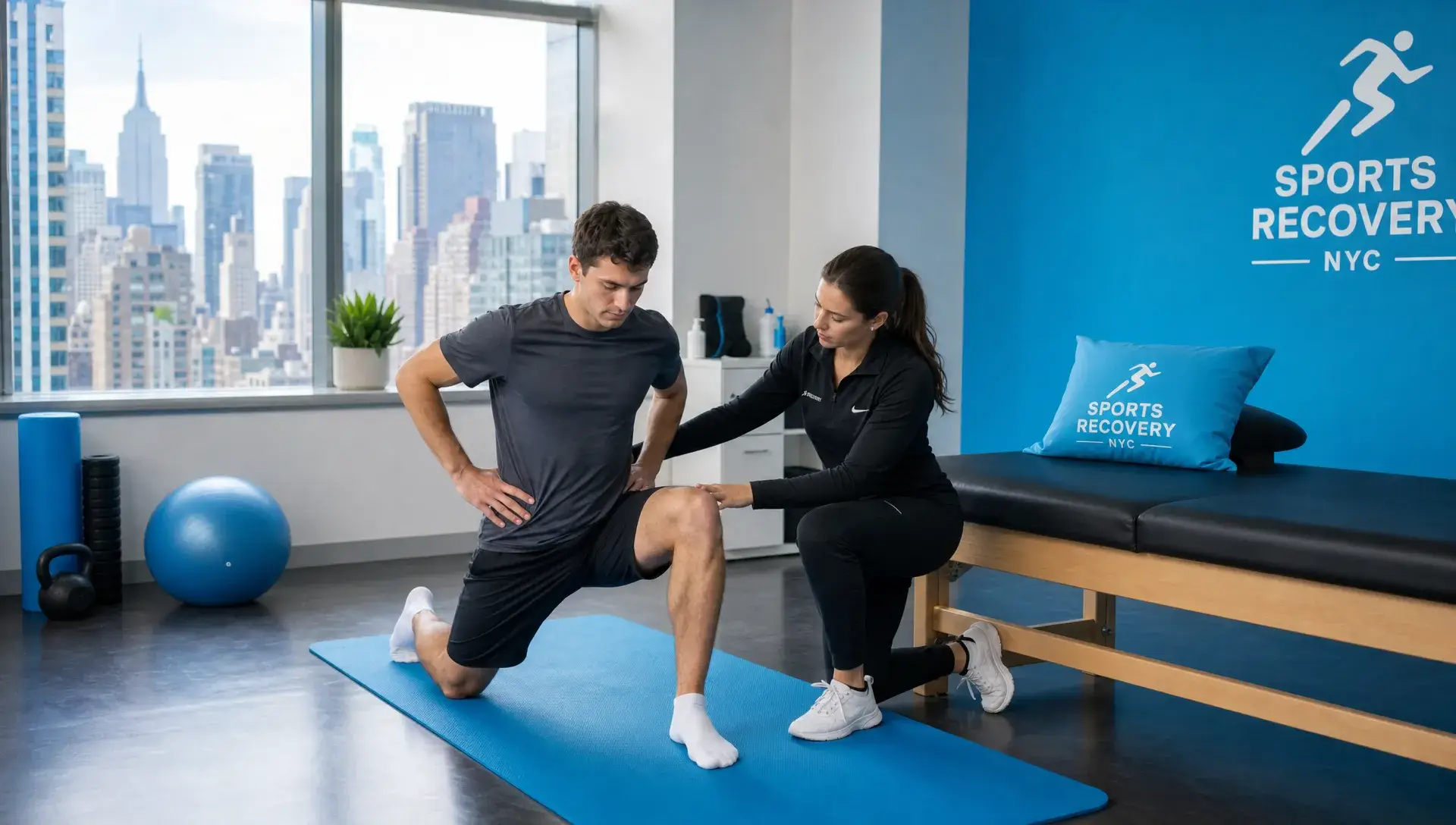
Common sports issues that respond to a combined approach
Many overuse injuries are not caused by one bad movement. They build when a tissue is asked to do more than it is prepared to handle. That is why sports chiropractic & massage often works best when paired with load management and rehabilitation exercises.
Common examples include low back tightness after lifting, neck stiffness from cycling posture, hip flexor irritation from sprinting, shoulder discomfort with overhead work, Achilles or calf tightness in runners and recurring knee pain during stairs or squats. In each case, the painful area may not be the only area that needs attention.
Think of performance as a system. A runner cares about shoes, a cyclist cares about bike fit and drivers care about wheel fit and setup because small contact and alignment details change how force travels. The body is similar. If one region cannot absorb or transfer load well, another region often compensates.
| Symptom pattern | Possible contributing factors | Recovery focus |
|---|---|---|
| Low back pain after training | Hip stiffness, poor bracing, sudden load increase | Spinal and hip mobility, core control, training modification |
| Shoulder pain with pressing | Thoracic stiffness, rotator cuff weakness, soft tissue guarding | Shoulder mechanics, scapular control, graded pressing |
| Knee pain during running | Foot mechanics, hip control, mileage spike | Gait review, hip strength, gradual mileage progression |
| Neck pain after cycling | Sustained posture, upper back restriction, muscle tension | Thoracic mobility, soft tissue care, bike position review |
What a sensible four-week recovery arc can look like
A recovery plan should not feel random from visit to visit. Even when symptoms change, the logic should be clear.
Week 1: Reduce irritation and identify triggers
The first week usually focuses on calming symptoms and understanding what makes them worse. Treatment may include gentle chiropractic care, soft tissue work, acupuncture or pain management strategies depending on the presentation. Training is modified, not necessarily stopped. The aim is to keep you moving without feeding the injury.
Week 2: Restore motion and introduce control
Once symptoms are less reactive, the plan shifts toward movement quality. This may include joint mobility, massage for stubborn guarding and basic strength drills. For example, a runner with hip-related knee pain may work on hip extension, glute control and cadence adjustments.
Week 3: Build capacity
At this point, sports chiropractic & massage should support a more active rehab plan. Manual care may still help, but the priority becomes tolerance to load. Exercises become more specific, such as single-leg strength for runners, rotational control for golfers or overhead stability for tennis players.
Week 4: Return to harder training with checkpoints
A safe return does not mean pain must be zero at every moment. It means symptoms are predictable, mild, short-lived and trending better. Your provider may use checkpoints such as range of motion, strength symmetry, sport-specific drills and next-day response before clearing a full return to training intensity.
Signs your recovery plan needs adjusting
A plan that made sense two weeks ago may not make sense now. If symptoms plateau, spread or become more irritable, the strategy should change. That may mean reducing training load, changing treatment intensity, adding diagnostic evaluation or shifting the rehab focus.
Watch for warning signs such as worsening night pain, numbness, tingling, loss of strength, significant swelling, joint instability or pain that does not match the workload. These are not reasons to panic, but they are reasons to get assessed rather than pushing through.
The right provider will not treat every athlete the same way. A desk worker training for a first half marathon, a competitive lifter and a recreational basketball player may all have low back pain, but their recovery plans should look different.
Making care fit real life in Manhattan
Consistency is easier when your plan respects your schedule. If you train before work, sit for long hours and walk between subway stops, your recovery plan should account for all of that. The care you receive in the clinic matters, but so do the small decisions between visits.
For many athletes, the most useful home plan is simple: one or two mobility drills, one or two strength exercises and clear rules for training intensity. If the plan takes 45 minutes every day, it is less likely to happen. If it takes 10 minutes and directly supports your next workout, adherence improves.
At Move Well MD, care can include chiropractic, acupuncture, physical rehabilitation, sports medicine services, trigger point injections and broader pain management when appropriate. That integrated model can be helpful when sports chiropractic & massage is only one part of a larger recovery picture.
Frequently Asked Questions
Is sports chiropractic & massage only for injured athletes? No. It can help with recovery, mobility and injury prevention, but it should still be based on an assessment. Athletes without pain may use care to address movement limitations or training-related tightness before they become bigger problems.
How soon can I train after a session? It depends on the treatment intensity and your symptoms. Light movement is often fine the same day, but heavy lifting, speed work or competition may be better scheduled 24 to 48 hours later after deeper soft tissue work or a more reactive pain episode.
Should massage be painful to work? No. Some tenderness can be normal, especially around trigger points, but pain that makes you brace or hold your breath can increase guarding. Productive pressure should help you move better after the session, not leave you feeling beaten up.
How many visits will I need? That depends on the diagnosis, training load, symptom duration and your response to care. A clear plan should include goals, reassessment points and home strategies so you can tell whether treatment is helping.
Can sports chiropractic & massage replace rehab exercises? No. Manual care can reduce symptoms and improve movement, but exercise builds the capacity that helps results last. For most sports injuries, the best outcomes come from combining hands-on care with progressive strengthening and smarter workload management.
Build a recovery plan that matches your sport
If pain, tightness or recurring flare-ups are interrupting your training, guessing is rarely the fastest path forward. A structured evaluation can help identify whether your issue is driven by joint mechanics, soft tissue overload, training errors or a combination of factors.
Move Well MD provides personalized care for active people in Manhattan, with chiropractic, acupuncture, rehabilitation and pain management options available when clinically appropriate. If you want sports chiropractic & massage to be part of a plan that actually matches how you move, schedule an evaluation and start with a strategy instead of another quick fix.
