Pain can shrink your day. It can change how you sit at work, how far you walk, how well you sleep, and whether you feel comfortable exercising. For many people, the best first step is not a single magic stretch or supplement. It is a practical system that helps your body move, recover, and feel safer again.
That is where natural pain management and wellness can help. The goal is not to ignore symptoms or avoid medical care. The goal is to reduce the everyday factors that keep pain irritated, support the musculoskeletal system, and know when professional guidance can make recovery more efficient.
Natural care works best when it respects two truths. First, pain is real, even when it does not show a simple explanation on an X-ray or MRI. Second, pain is not always a signal to stop moving completely. Often, the right kind of movement, recovery, and hands-on care can help you regain confidence without relying only on medication.
Start with a clear picture of your pain
Before changing your routine, take a few days to observe your symptoms. Pain patterns matter. A stiff low back after sitting all day may need a different approach than sharp pain after a sports injury, recurring migraines, or sciatica that travels down the leg.
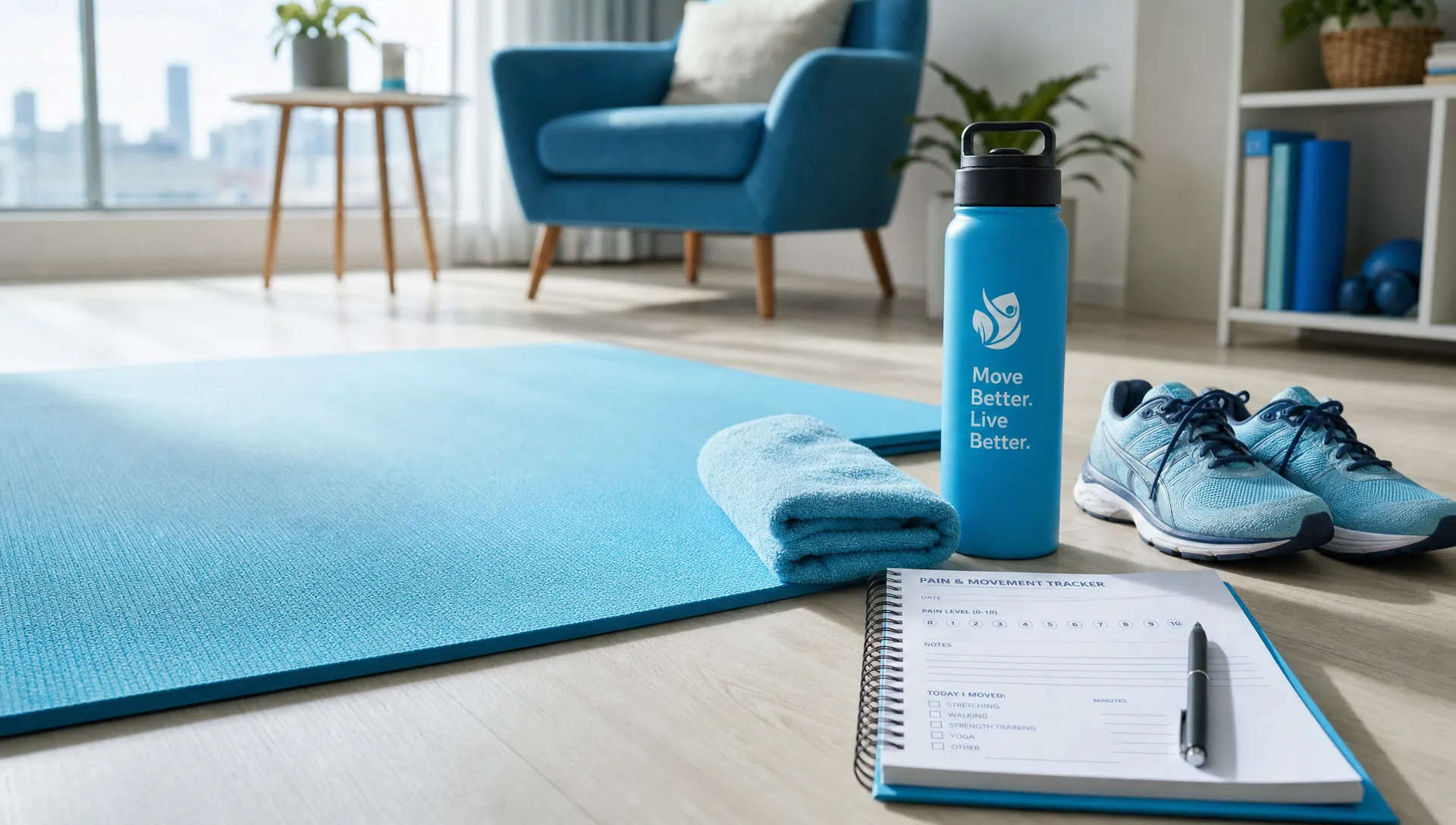
Try keeping a simple 7-day pain log. Note where the pain is, when it starts, what makes it better, what makes it worse, and whether it affects sleep, work, walking, lifting, or exercise. You do not need a complicated app. A short note on your phone can reveal useful patterns.
For example, you may notice that your neck pain is worse after long laptop sessions, your hip pain improves after walking, or your headaches appear after poor sleep and jaw tension. These clues can help you choose better self-care strategies and give a chiropractor, acupuncturist, physical therapist, or pain specialist more useful information during an evaluation.
Use movement as medicine, not punishment
When pain flares, it is natural to want to rest. Short-term rest can be helpful after certain injuries, but too much rest often increases stiffness, reduces circulation, and makes the body more sensitive to normal movement. The key is graded movement, which means doing enough to keep the body active without forcing your way through sharp or worsening pain.
The American College of Physicians recommends several non-drug approaches for low back pain, including exercise, spinal manipulation, acupuncture, heat, and other conservative options, depending on the situation. You can review the clinical guideline in the Annals of Internal Medicine, but the practical takeaway is simple: movement-based care is often a major part of pain recovery.
Start smaller than you think. A 10-minute walk, gentle spinal mobility, light stretching, or a few controlled bodyweight exercises may be enough at first. If symptoms stay the same or feel slightly better afterward, you can gradually increase. If pain sharply increases or lingers worse into the next day, scale back.
A useful rule is to keep movement tolerable, repeatable, and calm. You should be able to breathe normally while doing it. You should not feel like you are bracing against every motion. Progress comes from consistency, not heroic effort.
If you want a deeper look at low-risk, movement-friendly approaches, Move Well MD also covers natural pain solutions that may help you move better without jumping immediately to invasive options.
Calm the nervous system with sleep, breath, heat, and cold
Pain is not only a tissue issue. It is also processed by the nervous system. Stress, poor sleep, shallow breathing, and constant tension can make pain feel louder. That does not mean pain is in your head. It means your brain, spinal cord, muscles, joints, and daily habits are all part of the same system.
Breathing exercises are a simple place to start. Slow nasal breathing, longer exhales, and relaxed belly breathing can reduce guarding in the neck, shoulders, back, and jaw. Even two minutes before bed or between meetings can help your body shift out of a high-alert state.
Heat and cold can also be useful tools. Heat often helps chronic stiffness, muscle tightness, and achy areas that feel better with circulation. Cold may help after a recent strain, swelling, or irritated joint. Neither is a cure on its own, but both can make it easier to move comfortably.
Sleep may be the most underrated natural pain management tool. Poor sleep can lower pain tolerance, increase inflammation-related stress, and make recovery feel slower. A consistent sleep and wake time, less late-night screen stimulation, and a supportive pillow or mattress setup can all reduce unnecessary strain.
Strengthen the wellness basics: nutrition, hydration, and recovery
A healthy diet cannot instantly erase pain, but it can support the body systems involved in healing. Muscles, tendons, ligaments, joints, and nerves all depend on adequate nutrients. Protein supports tissue repair. Fruits, vegetables, beans, nuts, seeds, and whole grains provide vitamins, minerals, and fiber. Hydration helps joints, muscles, and connective tissue function more comfortably.
This does not require perfection. A realistic approach might be adding protein to breakfast, drinking more water before afternoon coffee, or preparing simple meals that reduce reliance on ultra-processed foods. Small upgrades are easier to maintain than dramatic rules.
For readers who enjoy broader lifestyle perspectives on health, prevention, nutrition, and fitness, resources such as yo.gr's health and wellness coverage can offer additional everyday wellness ideas. Just remember that general information should be adapted to your body, your medical history, and your current symptoms.
Reduce the daily irritations that keep pain active
Many painful conditions are not caused by one dramatic event. They build through repeated irritation. A workstation that keeps your neck rotated, a bag carried on the same shoulder every day, shoes that do not support your walking routine, or a phone held low for hours can all contribute to discomfort.
This is especially relevant in Manhattan, where people often combine long desk hours, subway stairs, walking commutes, crowded trains, and high stress. Your body may tolerate one of those demands well. The trouble often starts when they stack up without enough recovery.
A good ergonomic setup should reduce strain, but posture perfection is not the goal. The best posture is usually your next posture. Change positions often. Stand for calls when possible. Bring your screen closer to eye level. Keep your feet supported. Let your shoulders relax instead of hovering near your ears.
If your workday is the main trigger, these pain relief and wellness tips for desk workers in NYC can help you adjust your routine in a practical way.
| Pain pattern | Natural strategy to try | When to seek professional help |
|---|---|---|
| Neck or back stiffness after sitting | Movement breaks, screen height changes, walking, gentle mobility | Pain persists despite changes, travels into an arm or leg, or disrupts sleep |
| Sore muscles after exercise | Light movement, hydration, sleep, gradual training changes | Pain is sharp, swollen, worsening, or linked to loss of strength |
| Tension headaches | Breathing, jaw relaxation, neck mobility, sleep routine | Headaches are new, severe, frequent, or come with neurological symptoms |
| Sciatica-like leg pain | Avoid prolonged sitting, gentle walking if tolerated, professional assessment | Numbness, weakness, bladder or bowel changes, or severe radiating pain occurs |
| Joint aches with daily activity | Strengthening, pacing, supportive footwear, heat or cold | Swelling, instability, locking, or pain after injury is present |
Know when hands-on care belongs in your plan
Natural pain management and wellness does not mean doing everything alone. In many cases, the most natural next step is getting an accurate assessment from a clinician who understands movement, joints, nerves, muscles, and lifestyle factors.
Chiropractic care may help address joint mobility, spinal mechanics, and movement limitations. Acupuncture may support pain modulation, muscle tension relief, stress regulation, and recovery for some people. Physical therapy and rehabilitation can rebuild strength and confidence. Sports medicine and pain management services may be important when pain is persistent, complex, or limiting your daily function.
The strongest plans are often integrated. Instead of treating pain as one isolated symptom, an integrated approach looks at mobility, strength, nervous system sensitivity, inflammation, sleep, work demands, and stress. If you are curious about combining approaches, Move Well MD explains how pain management and acupuncture can work together as part of a broader care plan.
Build a weekly rhythm you can actually maintain
The best wellness plan is the one you can repeat during a busy week. You do not need a two-hour routine or a complete lifestyle overhaul. You need a few reliable habits that reduce irritation and improve recovery.
The CDC recommends that adults aim for regular aerobic activity and muscle-strengthening activity each week, with details available in its adult physical activity guidelines. If you are in pain, those goals may need to be modified at first. The principle still matters: bodies generally feel and function better with regular, appropriate movement.
A simple weekly rhythm might include:
- A short morning mobility routine for your neck, spine, hips, or shoulders.
- Walking most days, even if the first goal is only 10 minutes.
- Two light strength sessions focused on controlled, pain-free movement.
- A daily screen and posture reset during work hours.
- A consistent wind-down routine to improve sleep quality.
If you prefer habit-based guidance, Move Well MD also shares ideas for daily habits for less pain that can fit into real life.
Do not ignore warning signs
Natural strategies are helpful for many common aches and pains, but some symptoms need prompt medical attention. Seek urgent evaluation if pain follows a major fall or accident, or if you notice any concerning neurological or systemic symptoms.
Red flags include:
- New loss of bladder or bowel control.
- Progressive weakness, numbness, or difficulty walking.
- Fever, unexplained weight loss, or pain that is constant and severe at night.
- Chest pain, shortness of breath, or pain spreading to the jaw or arm.
- Sudden severe headache, confusion, vision changes, or trouble speaking.
When in doubt, get checked. Early evaluation can prevent delays and help you choose the safest path forward.
Frequently Asked Questions
What is natural pain management? Natural pain management uses non-drug or low-intervention strategies such as movement, chiropractic care, acupuncture, physical therapy, heat and cold therapy, stress reduction, sleep support, and lifestyle changes to help reduce pain and improve function.
Can natural pain management replace medication? Sometimes natural strategies reduce the need for medication, but they do not replace medical advice for every person or condition. If you take medication or have a chronic diagnosis, talk with a qualified healthcare provider before making changes.
How long does it take for wellness habits to help pain? Some people feel better after a few days of improved movement, sleep, and reduced irritation. Chronic or recurring pain often takes several weeks of consistent changes, especially when strength, mobility, stress, and work habits all play a role.
Is chiropractic or acupuncture considered natural pain care? Yes, both are commonly used as part of natural or conservative pain care. The right choice depends on your symptoms, health history, goals, and evaluation findings.
When should I see a professional for pain? Consider professional care if pain lasts more than a few days without improvement, keeps returning, limits work or exercise, travels into an arm or leg, or affects sleep. Seek urgent care for red flag symptoms.
Take the next step toward moving better
Pain relief is rarely about one perfect fix. It is about understanding your body, reducing daily triggers, restoring movement, and getting the right support when self-care is not enough.
At Move Well MD, patients in Manhattan can access chiropractic care, acupuncture treatments, physical therapy, sports medicine services, trigger point injections, and comprehensive pain management. If pain is limiting your work, workouts, commute, or sleep, a personalized evaluation can help you choose a smarter path forward.
