Tight muscles can feel like a small problem until they start changing the way you move, sit, sleep, exercise, or work. A stiff neck after a long day at a laptop may turn into headaches. A tight low back may make walking or bending feel guarded. Shoulder tension may limit your workouts or make simple daily tasks uncomfortable.
That is where therapeutic chiropractic massage can be useful. Unlike a relaxation massage focused mainly on stress relief, this type of care is usually more targeted. It looks at muscle tension in the context of joint movement, posture, nerve irritation, injury history, and the way your body compensates when something hurts.
For many people, the goal is not simply to “loosen up” for an hour. The goal is to reduce muscle guarding, improve comfortable range of motion, and support a treatment plan that helps tight muscles stay calmer over time.
What Is Therapeutic Chiropractic Massage?
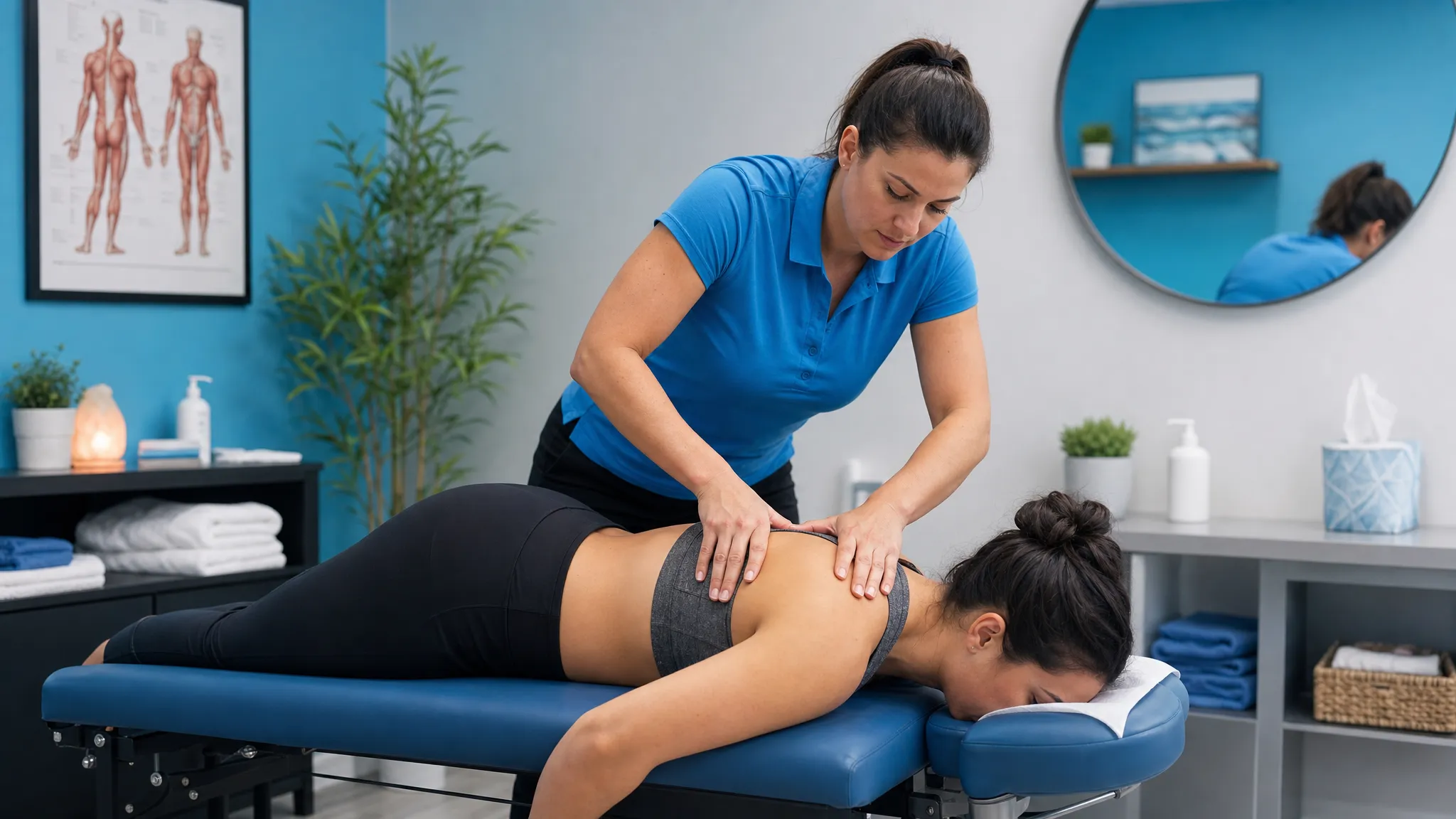
Therapeutic chiropractic massage refers to focused soft tissue work that complements chiropractic care. It may be used before, after, or alongside an adjustment, rehabilitation exercise, acupuncture, or other pain management approach depending on your symptoms and clinical evaluation.
In a chiropractic setting, tight muscles are rarely treated as an isolated issue. A provider may also look at how your spine, hips, shoulders, knees, or other joints are moving. For example, tightness in the upper traps may be connected to restricted neck or upper back mobility. Tight hamstrings may be influenced by low back mechanics, pelvic position, or nerve sensitivity. Calf tightness may be related to running volume, ankle mobility, or gait changes.
This is why coordinated care can be valuable. Move Well MD has written more about how a massage therapist in a chiropractic office can add value when soft tissue tension and joint mechanics both need attention.
Why Muscles Get Tight in the First Place
A tight muscle is not always a muscle that needs to be stretched harder. In many cases, tightness is a protective response. Your nervous system may increase tension around an area it perceives as irritated, unstable, overworked, or painful.
Common reasons muscles become chronically tight include repetitive posture, prolonged sitting, training overload, poor sleep, stress, old injuries, joint restriction, and nerve irritation. Tightness can also develop when one area of the body compensates for another. For instance, if hip mobility is limited, the low back may work harder. If the mid back is stiff, the neck and shoulders may carry more tension.
This is one reason people sometimes feel temporary relief after stretching or massage, only for the same tightness to return. The soft tissue may need treatment, but the underlying movement pattern may also need to be addressed.
According to the National Center for Complementary and Integrative Health, massage therapy may help with certain pain conditions, including low back pain and neck pain, although results vary by person and condition. For musculoskeletal pain, the best outcomes often come from matching the therapy to the cause of the symptoms rather than using a one-size-fits-all approach.
What Therapeutic Chiropractic Massage Can Do for Tight Muscles
Therapeutic chiropractic massage can support tight muscles in several ways. The exact approach depends on your exam findings, pain level, and goals, but these are some of the most common benefits people seek.
It can reduce muscle guarding
When an area hurts, surrounding muscles may contract to protect it. This guarding can be helpful in the short term, but over time it may increase stiffness, fatigue, and discomfort. Gentle, targeted soft tissue work can help calm that protective response.
This does not mean forcing the muscle to relax. In fact, overly aggressive pressure can sometimes make guarding worse. A therapeutic approach should work within your tolerance, gradually encouraging the nervous system to allow more movement.
It can improve range of motion
Tight muscles can limit how far a joint moves. For example, neck tension may reduce your ability to turn your head while driving. Hip or low back tightness may make squatting, sitting, or climbing stairs uncomfortable.
By addressing the soft tissues around a restricted area, therapeutic massage may make movement feel easier. When paired with chiropractic care, the goal is often to improve both soft tissue flexibility and joint mobility, so the body does not have to keep fighting the same restriction.
It can support chiropractic adjustments
Some people respond better to an adjustment when surrounding muscles are less tense. In other cases, a chiropractic evaluation may need to come first, especially if pain is sharp, radiating, or associated with numbness, weakness, or a recent injury.
The best sequence depends on the situation. If you are unsure whether soft tissue work or an adjustment should come first, this guide on the best order for massage and chiropractic adjustment explains how the decision may change based on pain, stiffness, and treatment goals.
It can target trigger points and overworked areas
Trigger points are sensitive, irritable spots in muscle or fascia that can refer pain to nearby or distant areas. For example, tension in the neck and shoulder muscles can sometimes contribute to head pain patterns, while glute or hip tightness may influence low back discomfort.
Therapeutic chiropractic massage may include focused pressure, myofascial techniques, stretching, or movement-based release strategies to help reduce these sensitive areas. The aim is to decrease pain sensitivity and help the muscle function more normally.
It can help you move with more confidence
Pain often makes people avoid movement. While rest can be appropriate after certain injuries, too much avoidance may increase stiffness and fear of movement. When tight muscles feel less reactive, it may become easier to return to walking, exercise, desk work, or daily activity.
This matters because long-term improvement usually depends on more than passive care. Massage may help create a window of relief, but movement retraining, strengthening, posture changes, and recovery habits help preserve that progress.
Therapeutic Chiropractic Massage vs. Regular Massage
A regular massage can be helpful for relaxation, general soreness, and stress reduction. Therapeutic chiropractic massage is usually more clinical and goal-oriented. It is often chosen when tight muscles are connected to pain, restricted motion, posture problems, or an injury pattern.
| Factor | Regular massage | Therapeutic chiropractic massage |
|---|---|---|
| Main goal | Relaxation and general tension relief | Pain relief, mobility, and functional improvement |
| Assessment | Usually limited to comfort preferences and tension areas | May include posture, range of motion, joint function, and symptom review |
| Pressure | Based largely on preference | Based on tissue response, pain level, and treatment goals |
| Care plan | Often standalone | May be coordinated with chiropractic care, rehab, acupuncture, or pain management |
| Best for | Stress, mild soreness, wellness maintenance | Persistent tightness, movement restriction, pain, or recurring tension patterns |
Neither option is “better” in every situation. The right choice depends on why your muscles are tight and what you want to accomplish. If you are dealing with recurring pain, mobility issues, or symptoms that keep coming back, a more therapeutic approach may offer better direction.
Areas Where Tight Muscles Commonly Respond Well
Therapeutic chiropractic massage may be used for many regions of the body, but some areas are especially common in a Manhattan clinic setting where desk work, commuting, training, and stress often overlap.
Neck and shoulder tightness is one of the most frequent complaints. Long hours at a computer can contribute to upper trap, levator scapulae, and chest tightness, often paired with stiffness in the upper back. This can lead to headaches, limited neck rotation, and a constant feeling of needing to stretch.
Low back and hip tightness is also common. Sitting for long periods, heavy lifting, running, or poor recovery can overload the muscles around the lumbar spine, glutes, hip flexors, and pelvis. Soft tissue work may help reduce tension, but lasting relief often requires improving hip and core function as well.
Leg tightness can affect athletes, weekend runners, and anyone who walks a lot on hard city surfaces. Calves, hamstrings, quads, and IT band-related tissues may become irritated from training load, footwear changes, or mobility limitations.
Jaw and head tension may also be influenced by muscle tightness, especially when stress, neck posture, or clenching are involved. In these cases, careful evaluation is important because headaches and facial pain can have many possible causes.
When Tight Muscles Need More Than Massage
Massage can be useful, but it is not the right standalone answer for every symptom. Tightness that is actually caused by nerve irritation, joint inflammation, disc-related pain, or an acute injury may need a different plan.
You should consider a chiropractic or medical evaluation before relying on massage alone if you have sharp pain, pain after a fall or accident, numbness, tingling, weakness, pain traveling down an arm or leg, unexplained swelling, fever, or symptoms that are getting worse instead of better.
The American College of Physicians recommends non-drug options such as superficial heat, massage, acupuncture, and spinal manipulation for many cases of acute or subacute low back pain, depending on the patient and presentation. The key is choosing the option that fits your condition, not simply choosing the most familiar therapy.
At Move Well MD, care may include chiropractic, acupuncture, physical rehabilitation, sports medicine services, and pain management approaches when appropriate. The specific plan should be based on an exam and your individual goals.
How to Make Relief Last Longer
A common frustration with tight muscles is that relief fades. This often happens when the same stressors keep feeding the problem. Therapeutic chiropractic massage may help reduce tension, but your daily habits and movement patterns matter too.
Here are practical ways to support longer-lasting results:
- Change positions frequently instead of trying to hold “perfect posture” all day.
- Use gentle mobility work between visits, especially for the neck, upper back, hips, and ankles.
- Strengthen the muscles that support the area that keeps tightening.
- Prioritize sleep and hydration, since recovery affects tissue sensitivity.
- Increase training volume gradually if your tightness is exercise-related.
- Avoid stretching aggressively into sharp pain or nerve-like symptoms.
If stiffness is a recurring issue, you may also benefit from simple home movements between appointments. These chiropractic-inspired moves for stiffness can help you stay mobile when used appropriately and comfortably.
What to Expect During a Visit
A therapeutic visit should begin with a conversation about your symptoms, lifestyle, injury history, and goals. Your provider may ask when the tightness started, what makes it better or worse, whether pain travels anywhere, and how it affects your daily activities.
From there, the assessment may include range of motion testing, posture observation, palpation, orthopedic or neurological screening when indicated, and discussion of which treatments make sense. If massage is appropriate, the soft tissue work should be targeted and adjusted to your tolerance.
You may feel looser immediately afterward, but it is also normal to feel mild soreness for a day or two, especially after deeper work. You should not feel worse in a way that is sharp, alarming, or progressively increasing. A good plan will also explain what to do after the visit, including movement, hydration, activity modifications, or follow-up care.
Frequently Asked Questions
Is therapeutic chiropractic massage painful? It should not feel intolerable. Some techniques may create a “good hurt” sensation around tight or sensitive tissue, but pressure should be adjusted to your comfort and clinical needs. More pressure is not always better.
How many sessions do tight muscles usually need? It depends on the cause, severity, and how long the problem has been present. Recent tightness from overuse may improve quickly, while chronic tension linked to posture, joint restriction, or old injuries may need a broader care plan.
Should I get a chiropractic adjustment or massage first? It depends on your symptoms. Some people benefit from soft tissue work before an adjustment, while others need an exam or adjustment first. Sharp pain, radiating symptoms, numbness, weakness, or injury-related pain should be evaluated before massage alone.
Can therapeutic chiropractic massage help with stress-related tension? Yes, it may help reduce muscle tension associated with stress, especially in the neck, shoulders, jaw, and upper back. However, stress-related tightness often improves most when bodywork is combined with sleep, breathing, movement, and workload changes.
Is therapeutic chiropractic massage only for back pain? No. It may be used for neck tightness, shoulder tension, hip restriction, leg tightness, sports-related soreness, headaches related to muscle tension, and other musculoskeletal complaints when appropriate.
Ready to Address Tight Muscles at the Source?
If your tight muscles keep coming back, your body may be asking for more than another quick stretch. A targeted plan can help identify whether your tension is coming from soft tissue overload, joint restriction, posture habits, training stress, or another pain driver.
Move Well MD offers integrated chiropractic, acupuncture, physical rehabilitation, sports medicine, and pain management services in Manhattan. If you are ready to move more freely and understand what is behind your muscle tightness, visit Move Well MD to learn more or schedule care.
