Trigger point injection aftercare usually involves gentle movement, temporary limits on strenuous exercise and attention to how the treated muscle responds. Feeling better immediately does not mean you should test your heaviest lift or return to a full workout. Local anesthetic can temporarily reduce pain without showing how well the muscle tolerates exercise.
Many patients are advised to avoid strenuous activity for the first 24 to 48 hours, but that is a general guideline, not automatic clearance. Your treating clinician’s instructions take priority because the injection location, medication and underlying condition can change your recovery plan.
Trigger Point Injection Aftercare: The First 48 Hours
The goal is to keep moving comfortably without repeatedly stressing the treated area. Complete bed rest is usually unnecessary, but a hard workout, deep massage or aggressive stretching can aggravate a freshly treated muscle.
Before leaving your appointment, confirm what was injected, which activities to avoid and when to restart your prescribed exercises.
Right after your appointment
Trigger point injections target tender areas within muscle. They may contain a local anesthetic and sometimes another medication, such as a corticosteroid. Not every injection uses the same ingredients, so do not assume that someone else’s aftercare instructions apply to you.
If the area feels numb, avoid heavy loading, forceful stretching or direct heat until normal sensation returns. Reduced pain can make it easier to push beyond your current tolerance. Tell your clinician about unexpected weakness rather than trying to exercise through it.
Do not drive if pain, numbness, weakness or medication effects interfere with safe vehicle control. If you received sedation, follow the separate driving restrictions in your discharge instructions and arrange transportation as directed.
For context on the treatment itself, our guide explains when trigger point injections make sense for muscle pain. Aftercare should still reflect your own diagnosis and procedure.
Soreness, bruising and returning pain
Mild tenderness, a small bruise or soreness around the needle site can occur after treatment. Soreness often improves over the next few days, although the duration varies.
Pain may also return as a local anesthetic wears off. That alone does not establish whether the treatment worked. Assess changes over the timeframe your clinician recommends rather than judging the result during the first pain-free hour.
Symptoms should generally trend toward improvement. Increasing pain, spreading redness, growing swelling or new neurological symptoms deserve medical attention rather than a harder stretch or another workout.
Ice, bathing and pain medication
If your clinician recommends cold therapy, use a wrapped cold pack for about 10 to 15 minutes at a time. Do not place ice directly on your skin or use it over an area that remains numb. Avoid heating pads over numb skin because you may not recognize excessive heat.
Keep the injection site clean and follow your instructions about dressings and showering. Do not scrub the puncture site. Wait to use pools, hot tubs or baths until the site has closed and your clinician’s restrictions have ended.
Ask which pain relievers are appropriate for you. Acetaminophen or an anti-inflammatory medication may be suitable for some patients, but kidney disease, liver disease, ulcers, blood thinners and other medications can affect that choice. Do not stop prescribed blood thinners or add medication without guidance.
When Can You Resume Exercise?
A calendar helps organize recovery, but symptoms and your discharge instructions determine readiness. The following is a general framework for an uncomplicated recovery, not a personalized exercise prescription.
| Recovery stage | Activity that may be appropriate | What to postpone |
|---|---|---|
| Day of the injection | Short, comfortable walks and ordinary light activity, if permitted | Workouts, heavy lifting and forceful stretching of the treated muscle |
| First 24 hours | Gentle movement within a comfortable range | Running, vigorous classes, deep massage and strenuous loading |
| Around 24 to 48 hours | A brief trial of light activity if symptoms are improving and your clinician allows it | Jumping straight back to your usual training volume or intensity |
| After the initial restriction period | Gradual progression based on comfort, movement quality and next-day symptoms | Maximum-effort lifts, hard intervals or contact activity before you are ready |
Some people need a longer restriction period, particularly when the injection is part of treatment for an injury or persistent pain condition. Passing the 48-hour mark does not override a clinician’s instruction to wait longer.
Cleveland Clinic’s overview of trigger point injections describes the treatment as commonly paired with physical therapy and stretching. The injection is one part of recovery, not a substitute for rebuilding comfortable movement and strength.
Check Readiness Before Your First Workout
Before resuming exercise, check that normal sensation has returned and that everyday movement is comfortable. You should be able to walk, reach or perform a simple version of your planned activity without sharp pain, new weakness or obvious compensation.
Use these checkpoints alongside your clinician’s instructions:
- The recommended activity-restriction period has passed.
- Injection-site soreness is mild and improving.
- There is no spreading redness, increasing swelling or drainage.
- You can move through the range needed for the activity without forcing it.
- Your clinician has cleared any specific restrictions related to your condition.
If you are limping, hiking one shoulder or bracing to avoid pain, reduce the demand. Those changes suggest that the planned exercise is currently more than you can comfortably manage.
Good trigger point injection aftercare also includes checking how you feel later that day and the following morning. A session that feels manageable during exercise may still have been too demanding if it causes a substantial, lasting increase in symptoms.
How to Restart Different Types of Exercise
Walking, cycling and running
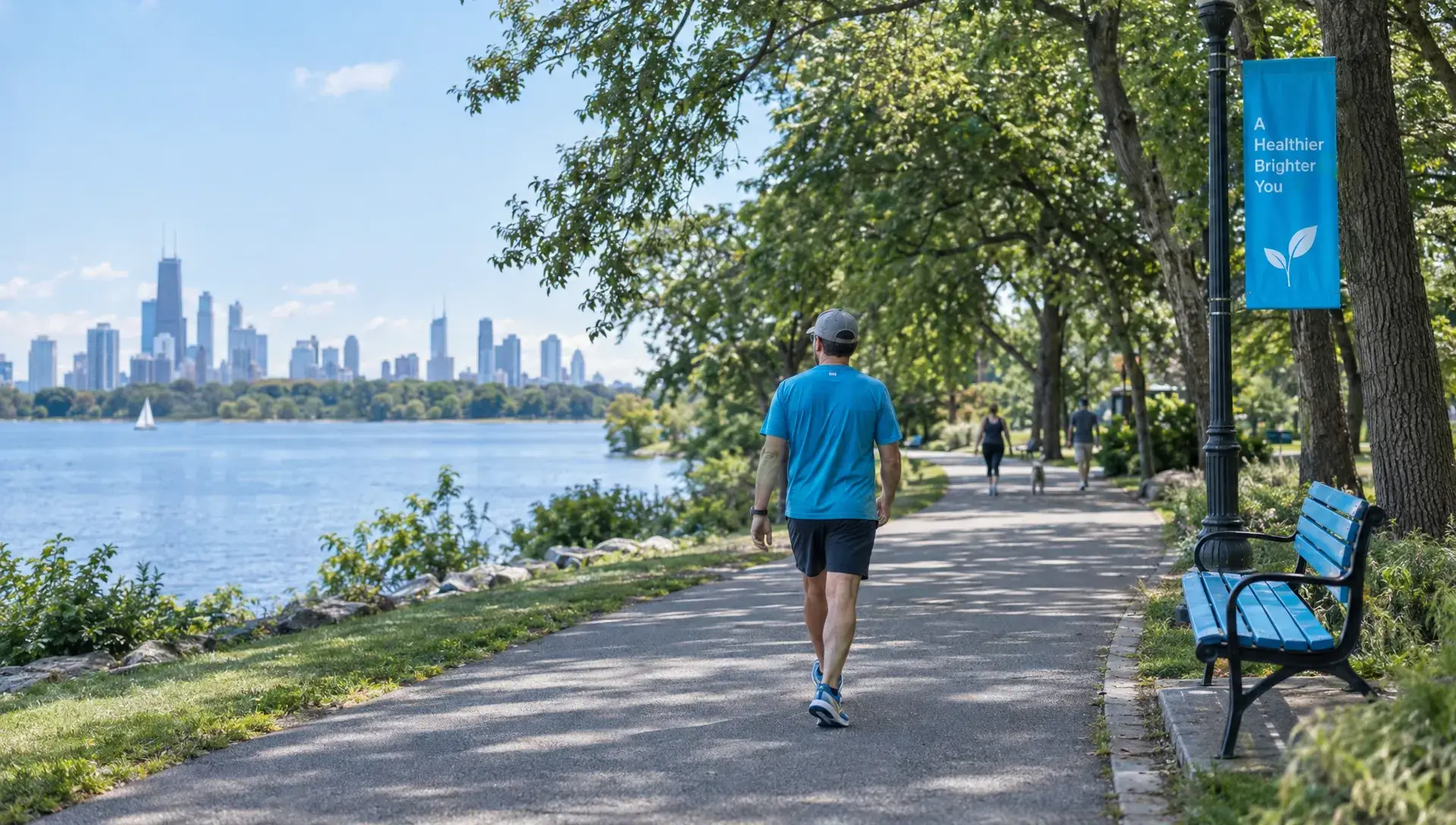
Start with a short, easy walk on level ground. If that goes well, increase duration gradually before adding speed, hills or impact. Comfortable walking is a useful first check, but it does not automatically mean you are ready to run.
For cycling, consider the injection location. Leaning over handlebars may load sore neck, shoulder or back muscles even when pedaling feels easy. Choose a comfortable position and keep the first session brief.
Resume running only after your restriction period has ended and lower-impact activity is well tolerated. Avoid making the first run back a speed session or long run.
Strength training
Return with substantially less resistance and fewer sets than usual. Avoid maximum-effort lifts, prolonged breath-holding and exercises that reproduce the original pain. Increase one training variable at a time rather than adding weight, repetitions and workout length together.
An injection in the upper trapezius may affect tolerance for presses, rows and loaded carries. A gluteal or lower-back injection may make squats, deadlifts or prolonged bracing uncomfortable. Exercise selection should follow the treated muscle, not simply whether the workout is labeled upper or lower body.
Remove hand jewelry, including engagement rings and wedding bands, before handling weights so it cannot catch on equipment or press into your fingers during gripping.
Stretching, yoga and mobility work
Keep movement gentle and avoid pushing into painful end ranges. A deep stretch is not necessarily more helpful than a comfortable one, especially while the needle site is tender.
During the initial recovery period, skip positions that place sustained pressure on the injection site. Ask before using foam rollers, massage guns or deep tissue massage directly over the treated muscle.
Coordinate Aftercare With Your Rehabilitation Plan
An injection may make movement more comfortable, creating an opportunity to practice exercises that previously hurt. That opportunity is best used with an appropriate rehabilitation plan rather than an immediate return to full training.
A physical therapist can help adjust range of motion, resistance and exercise selection as symptoms settle. Our overview of rehab and therapeutic exercise explains how rehabilitation can support mobility, strength and a gradual return to activity.
Tell every treating provider when and where you received the injection. Do not automatically schedule deep massage, acupuncture or forceful manual treatment over the same area immediately afterward. Ask the injecting clinician how to space those treatments.
Warning Signs That Need Medical Attention
Mild local soreness is different from worsening symptoms or feeling unwell. Contact the treating clinic promptly for increasing redness, warmth, swelling, drainage, fever or pain that becomes progressively worse. Persistent numbness or new weakness also needs assessment, especially if it lasts beyond the period your clinician told you to expect.
Seek emergency care for chest pain, shortness of breath, severe allergic symptoms, fainting or sudden significant weakness. Do not assume these symptoms are routine aftereffects.
A collapsed lung, or pneumothorax, is a rare complication of injections around the chest, shoulder or upper back. New chest pain or difficulty breathing after an injection in these areas requires urgent evaluation, even if it starts after you have left the clinic. Trouble breathing or swelling of the lips, tongue or throat can also signal a serious allergic reaction.
Frequently Asked Questions
Can I work out the same day as a trigger point injection? Strenuous exercise is generally postponed. Gentle walking or comfortable daily movement may be appropriate if your clinician permits it. Avoid testing the treated muscle while it is numb.
Can I stretch immediately afterward? Gentle, prescribed movement may be allowed, but forceful stretching is not a good default. Follow the instructions for the muscle treated and stop if stretching causes sharp pain or increasing soreness.
What if I feel completely pain-free the next morning? Continue to respect the recommended restriction period. Early relief may partly reflect medication effects and does not prove that the muscle is ready for heavy loading.
Should I stop exercising if soreness returns? Stop or reduce an activity that causes sharp pain, changes your movement or produces a clear symptom increase. If symptoms do not settle after reducing activity, contact your treating clinician before progressing.
Get an Aftercare Plan That Fits Your Activity
Before your next appointment, bring your usual workout schedule and identify the activities you want to resume first. Ask for clear guidance on timing, exercise modifications and symptoms that should prompt a call.
At Move Well MD, you can discuss trigger point injections alongside rehabilitation and other pain-management options. Request individualized aftercare instructions so your return to exercise matches your treatment, symptoms and goals.
