Chiropractic care has changed noticeably in the last decade. Patients still come in for back pain, neck pain, headaches, sciatica and sports injuries, but the way many chiropractors evaluate and treat those concerns is more precise, more collaborative and often more comfortable than people expect. When patients search for new chiropractic techniques, they are usually trying to answer a practical question: what is different now, and is it right for my pain?
The short answer is that newer care is less about a single breakthrough adjustment and more about better clinical decision-making. Modern chiropractic treatment may combine hands-on care, low-force methods, soft tissue work, rehabilitation, acupuncture, patient education and coordinated pain management. The goal is not just to make a joint move. The goal is to help the person move better, tolerate daily activity and reduce the chance of the same pain cycle returning.
What new chiropractic techniques actually means
The word new can be misleading. Some techniques have existed for years but are now being used in more refined, evidence-informed ways. Others involve newer tools, better assessment methods or an integrated treatment plan that combines chiropractic care with rehabilitation and other services.
In a modern clinic, new chiropractic techniques may include:
- Low-force instrument-assisted adjustments for patients who prefer gentler treatment
- Flexion-distraction or decompression-style table work for certain lower back and disc-related pain patterns
- Drop table techniques that use a specialized table section to assist the adjustment
- Movement-based rehabilitation to support the adjustment with strength, coordination and mobility work
- Soft tissue therapies that address muscle guarding, trigger points and restricted fascia
- Integrated care, such as acupuncture, physical rehabilitation or pain management when clinically appropriate
The technique matters, but the reasoning behind it matters more. A good chiropractor should be able to explain why a specific approach fits your symptoms, health history, comfort level and goals.
Why chiropractic care is changing in 2026
Patients in 2026 expect more transparency from every healthcare visit. They want to know what is being done, why it is being done and how progress will be measured. Chiropractic care has responded by becoming more patient-centered, more integrated and more focused on function.
That shift is part of a broader evolution in the field. Many clinics now place greater emphasis on safety screening, outcome tracking, active care and collaboration with other providers. If you want more context on this shift, Move Well MD has a helpful overview of how the chiropractic profession has changed in 2026.
This does not mean every patient needs high-tech treatment. For many people, a careful exam, targeted manual therapy and a realistic home plan are still the foundation. What has improved is how those tools are selected. A patient with desk-related neck pain may need a different plan than a runner with hip restriction or someone with sciatica symptoms after lifting.
Common new chiropractic techniques patients may encounter
Low-force and instrument-assisted adjustments
Not every chiropractic adjustment involves a high-velocity thrust. Low-force techniques use gentler pressure, sometimes with a handheld instrument that delivers a controlled impulse to a joint. Patients who are nervous about manual adjustments, have high sensitivity or prefer a softer approach may find this more comfortable.
The benefit is control. The practitioner can apply a targeted force without asking the patient to twist as much. That said, low-force care is not automatically better for everyone. It is one option among many, and it should still be based on an exam.
Flexion-distraction and decompression-style table work
Flexion-distraction uses a special table that gently moves the spine through controlled bending and traction-like motion. It is commonly discussed for lower back pain, stiffness and some disc-related pain patterns. Patients usually experience slow, rhythmic movement rather than a quick adjustment.
This technique can be useful when the goal is to reduce mechanical stress, improve motion and calm irritated tissues. It should not be presented as a universal fix for disc problems. If symptoms include progressive weakness, bowel or bladder changes, numbness in the saddle area or severe unrelenting pain, medical evaluation is needed promptly.
Drop table techniques
A drop table has sections that lift slightly and release during the adjustment. The dropping motion helps the chiropractor deliver a quick, controlled force with less overall pressure on the patient. Many people find this approach more comfortable than traditional manual adjusting.
Drop table work is often used for spinal or pelvic mechanics, but like any method, it depends on the patient. The chiropractor should still screen for contraindications and explain what the table will do before treatment starts.
Soft tissue and myofascial techniques
Pain is not always coming from a joint alone. Muscles, tendons, fascia and trigger points can all contribute to restricted motion and discomfort. Modern chiropractic visits often include soft tissue methods such as myofascial release, trigger point therapy, assisted stretching or instrument-assisted soft tissue mobilization.
These techniques may help reduce muscle guarding so that joints move more comfortably. They can be especially relevant for neck tension, shoulder pain, sports injuries and chronic tightness from prolonged sitting.
Rehab-driven chiropractic care
One of the most important changes in chiropractic care is the stronger focus on active rehabilitation. Adjustments and hands-on treatment may reduce pain and improve mobility, but strength and motor control help those improvements last.
Rehab-driven care may include mobility drills, core stabilization, balance work, posture training, breathing mechanics, glute strengthening or sport-specific movement retraining. The point is not to give everyone the same sheet of exercises. The right exercises should match the movement problem found during the evaluation.
| Technique | What it usually involves | Why it may be used | What to ask |
|---|---|---|---|
| Low-force instrument adjustment | A handheld device applies a controlled impulse | Gentle joint treatment with less twisting | Is this appropriate for my condition and sensitivity level? |
| Flexion-distraction | A table gently moves the lower spine | Certain back pain and mobility limitations | What signs would suggest this is helping? |
| Drop table adjustment | A table section releases during the adjustment | Controlled force with less perceived pressure | What will I feel during the drop? |
| Soft tissue therapy | Manual or tool-assisted work on muscles and fascia | Muscle guarding, trigger points and restricted motion | Which tissues are you targeting and why? |
| Rehab-based care | Guided exercises and movement retraining | Longer-term function and recurrence prevention | Which exercises matter most for my daily life? |
What is truly new: better measurement and individualized planning
The biggest improvement in modern chiropractic care may not be the adjustment itself. It is the way clinicians measure what matters. Pain scores are useful, but they are only one piece of the picture. A patient also needs to know whether they can turn their head while driving, sit through work, sleep without waking up or return to the gym safely.
A thoughtful care plan should include a baseline and a way to reassess. That may involve range of motion, orthopedic tests, movement screening, strength testing or simple activity goals. If nothing changes after a reasonable trial of care, the plan should be adjusted.
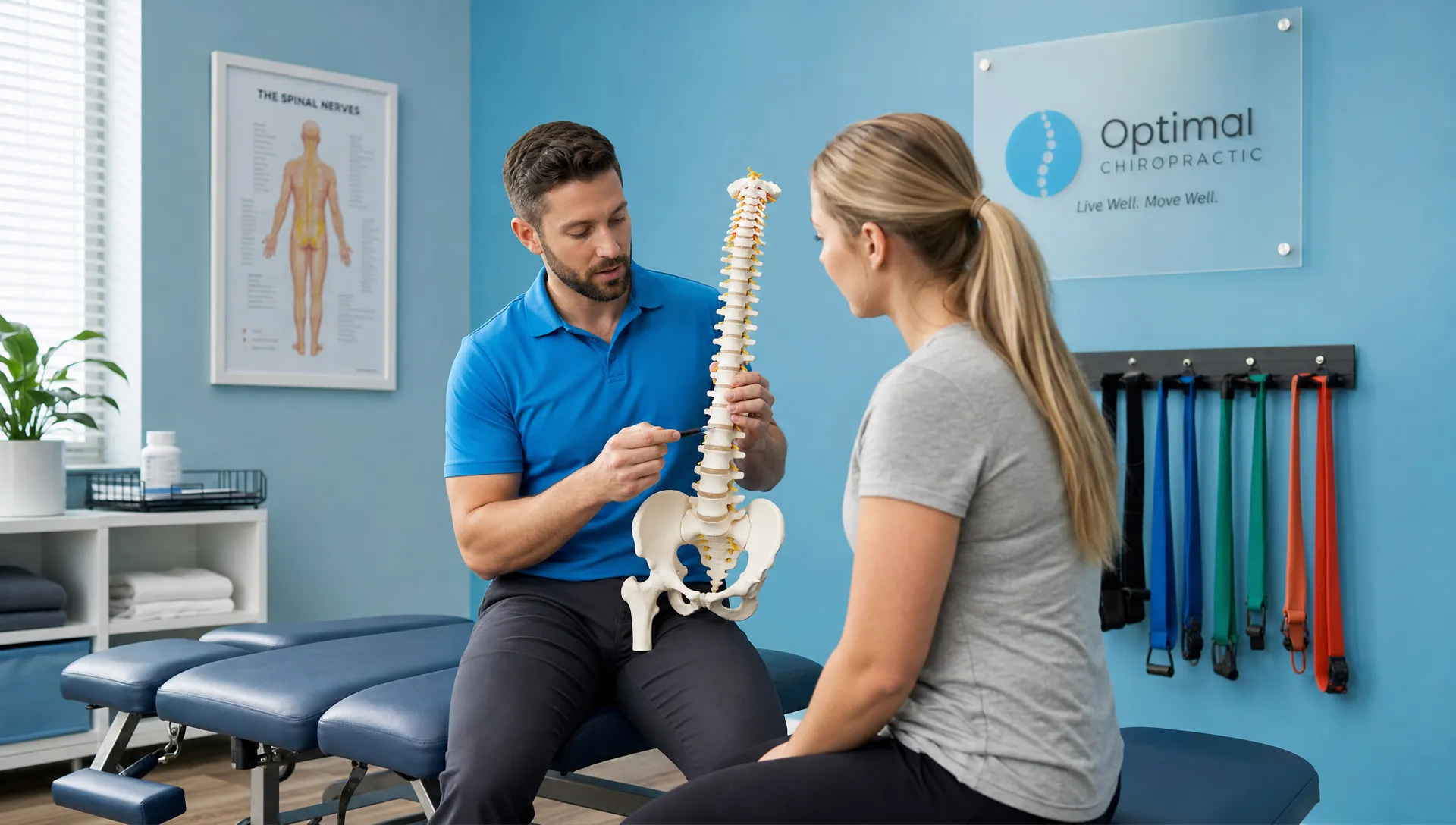
Technology can support this process, but it should not replace clinical judgment. Posture images, movement apps or digital reports can help illustrate a problem, but they should not be used to scare patients into unnecessary treatment. The best use of technology is to clarify, educate and track progress.
Are newer chiropractic techniques safer?
A newer technique is not automatically safer, and an older technique is not automatically outdated. Safety depends on screening, training, communication and whether the treatment fits the patient.
Before treatment, a chiropractor should ask about medical history, recent injuries, medications, prior surgeries, neurologic symptoms, osteoporosis, cancer history, inflammatory disease and other relevant factors. Imaging is not needed for every case, but it may be appropriate when symptoms, trauma history or exam findings suggest a need for further evaluation.
Neck manipulation deserves a clear risk and benefit discussion, especially for patients with certain vascular risk factors or unusual symptoms such as sudden severe headache, dizziness, visual changes or neurological changes. Many patients can be treated with mobilization, soft tissue work, exercise or low-force methods when high-velocity manipulation is not the best fit.
The safest care is not the most aggressive care. It is the care that is matched to the person in front of the clinician.
How to know which method fits your pain
The right technique depends on the type of pain, how long it has been present, what makes it better or worse and what the patient needs to return to. A person with acute lower back spasm after lifting may need a calming approach first. Someone with recurring neck stiffness from desk work may benefit from a mix of mobilization, soft tissue care and ergonomic coaching. An athlete with shoulder pain may need a more rehab-focused plan.
Patient preference also matters. If you are anxious about a specific technique, say so. Modern chiropractic care should not feel like something being done to you without your input. It should be a shared plan with clear options.
For a deeper comparison of approaches, Move Well MD explains how to choose the chiropractic method that fits your pain and mobility goals.
Questions to ask before trying a newer technique
A good chiropractor should welcome questions. If an explanation is vague or the plan feels one-size-fits-all, pause and ask for more clarity. Useful questions include:
- What do you think is causing my pain?
- Why are you recommending this technique instead of another one?
- What should I feel during and after treatment?
- Are there any reasons this technique would not be appropriate for me?
- How many visits should it take before we reassess?
- What can I do at home to support the treatment?
- When would you refer me to another provider or recommend imaging?
These questions help turn a passive visit into an informed healthcare decision. They also make it easier to recognize whether the clinic is focused on your goals or simply repeating the same treatment for every patient.
The role of integrated care
Many patients do best when chiropractic treatment is part of a broader plan. Pain rarely fits into one neat category. A lower back problem may involve joint restriction, muscle guarding, nerve irritation, stress, sleep disruption and deconditioning. A shoulder issue may involve the neck, ribs, rotator cuff, posture and training habits.
Integrated care can bring several tools into one plan. At Move Well MD, the care model includes chiropractic care, acupuncture, physical rehabilitation, sports medicine services and pain management options such as trigger point injections when appropriate. The exact plan depends on the evaluation, not on a predetermined package.
This patient-centered expectation is not limited to spine care. People increasingly look for clear communication, practical options and a welcoming environment across healthcare, whether they are choosing a musculoskeletal clinic in Manhattan or a trusted Geelong dentist for family dental care.
What to expect during a modern chiropractic visit
A first visit should begin with conversation and assessment, not immediate treatment. The clinician will usually ask about your symptoms, health history, work demands, exercise habits and goals. Then they may check posture, mobility, reflexes, strength, joint motion and specific orthopedic signs.
Treatment, if appropriate that day, should be explained before it happens. You should know what position you will be in, what the technique is meant to do and what normal soreness may feel like afterward. Some mild soreness can occur after manual therapy or new exercises, similar to post-workout soreness, but symptoms should not be ignored if they worsen sharply or feel unusual.
A modern plan should also include what happens between visits. That may be a short exercise routine, activity modifications, hydration, walking, workstation changes or guidance about returning to training. The home plan does not need to be complicated. It needs to be realistic enough that you will actually do it.
When new techniques may not be enough
Chiropractic care can be helpful for many mechanical pain patterns, but it is not the right answer for every symptom. A responsible chiropractor should know when to treat, when to modify care and when to refer.
Seek urgent medical evaluation for symptoms such as major trauma, fever with severe spinal pain, unexplained weight loss, progressive weakness, loss of bladder or bowel control, chest pain, sudden severe headache or numbness in the groin or saddle area. These are not situations to manage with routine adjustments.
For persistent pain, the question is not whether chiropractic care failed. The question is whether the diagnosis and plan need to be updated. Sometimes that means imaging, medical co-management, injections, physical therapy emphasis, acupuncture, lifestyle changes or a different loading strategy.
Frequently Asked Questions
Are new chiropractic techniques better than traditional adjustments? Not always. Newer methods can be helpful, especially when they offer more comfort, precision or better integration with rehab. The best technique is the one that fits your diagnosis, health history, goals and preferences.
Do low-force chiropractic techniques work? Low-force techniques can be effective for some patients, particularly those who prefer gentler care or are not ideal candidates for higher-force adjustments. Results depend on the condition being treated and the overall plan.
Will I need X-rays before trying a new technique? Not necessarily. Many mechanical back and neck pain cases do not require imaging right away. X-rays or other imaging may be recommended when there is trauma, unusual symptoms, neurological findings or other red flags.
Can chiropractic care be combined with acupuncture or physical therapy? Yes. Many modern clinics use an integrated approach that may include chiropractic care, acupuncture, rehab exercises, soft tissue therapy and pain management options when appropriate.
How soon should I feel improvement? Some patients feel better after one or two visits, while others need more time depending on the condition, duration of symptoms and daily stressors. A good plan should include a reassessment point so progress is not left to guesswork.
Take the next step toward better movement
New chiropractic techniques can make care more comfortable, precise and personalized, but the real value comes from choosing the right approach for your body. If pain is limiting your work, sleep, training or daily routine in Manhattan, Move Well MD can help you explore a care plan that may include chiropractic treatment, acupuncture, rehabilitation and integrated pain management based on your needs.
