If you’re searching for “natural pain management near me,” you likely want more than temporary relief. You want to sit through work, walk around the city or sleep without pain repeatedly interrupting your day. The most useful approach combines an evaluation with treatment that supports those specific goals.
“Natural” usually means non-drug care, such as exercise-based rehabilitation, acupuncture or hands-on treatment. It does not mean risk-free, and it does not require avoiding medication when medication is appropriate. Lasting improvement often depends on combining approaches rather than finding one treatment that fixes everything.
What Lasting Relief Can Realistically Mean
For a recent muscle strain, recovery may mean returning to your usual activities without symptoms. With chronic pain, which generally lasts longer than three months, progress can be less straightforward. Better sleep, fewer disruptive flare-ups and greater walking tolerance can matter even before pain disappears.
Choose a functional goal alongside a pain score. For example, “I want to stand comfortably while preparing dinner” gives you and your clinician something concrete to work toward.
Pain intensity alone does not reveal exactly how much tissue damage is present. Persistent pain can involve ongoing sensitivity in the nervous system as well as joint, muscle or nerve problems. That is why assessment matters before repeatedly treating the same sore spot.
Natural Pain Management Options and Their Roles
A useful “natural pain management near me” search should connect you with care that explains both what a treatment may accomplish and where its limits lie.
| Approach | Potential role | What to clarify before starting |
|---|---|---|
| Physical therapy and rehabilitation | Build strength, mobility and activity tolerance | Which exercises fit your condition and how they will progress |
| Chiropractic care | Address selected musculoskeletal pain and movement limitations | Whether manipulation is appropriate and what alternatives exist |
| Acupuncture | Help reduce symptoms for some pain conditions | Expected goals, safety precautions and reassessment timing |
| Psychological pain care | Improve coping, reduce avoidance and support daily function | Whether the clinician has experience treating persistent pain |
| Heat, activity pacing and sleep support | Make symptoms easier to manage between visits | How to use these strategies without delaying necessary evaluation |
Physical Therapy and Progressive Rehabilitation
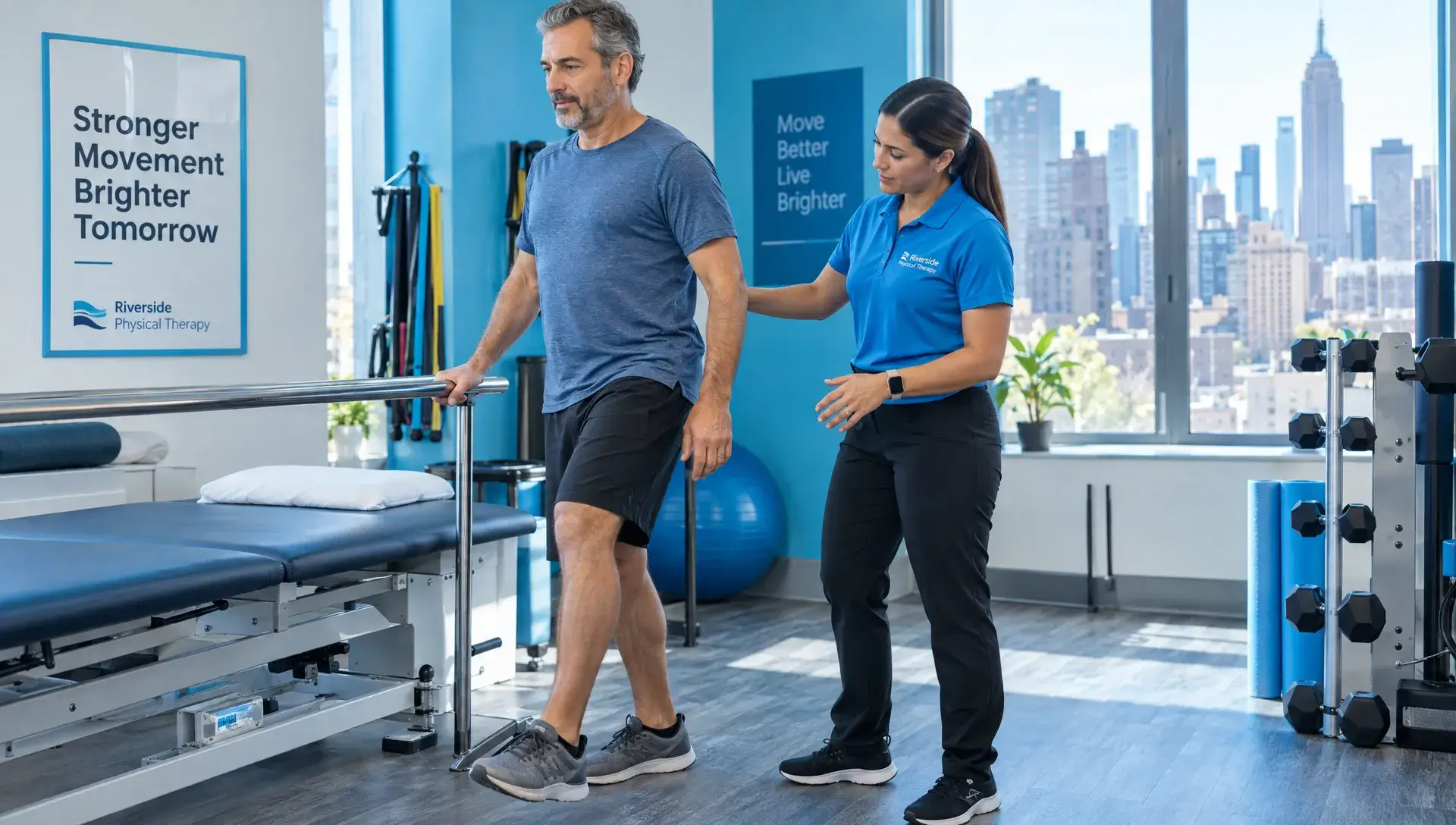
Rehabilitation helps rebuild what pain has made difficult. Depending on your assessment, it may include strengthening, mobility work, balance training or a gradual return to walking and other activities.
The starting point should match your current capacity, not your fitness level before symptoms began. A manageable routine that progresses is usually more useful than repeatedly pushing until a flare forces you to stop.
For chronic low back pain, the American College of Physicians guideline includes exercise and several other non-drug approaches among initial treatment options. That recommendation does not mean every exercise suits every cause of back pain. New weakness, significant injury or other concerning symptoms require assessment first.
Chiropractic Care
Chiropractic treatment may include joint manipulation or mobilization, soft-tissue techniques and exercise guidance. Its suitability depends on your symptoms, examination findings and medical history.
When comparing “natural pain management near me” providers, ask whether hands-on treatment will support an active recovery plan. Temporary symptom relief can be useful, but the plan should also help you function between appointments.
Manipulation is not appropriate for every person or condition. Discuss osteoporosis, previous fractures, blood-thinning medication and neurological symptoms before treatment. The National Center for Complementary and Integrative Health’s spinal manipulation overview also describes risks, including rare serious complications associated with neck manipulation. Ask about expected benefits, alternatives and informed consent.
Acupuncture
Acupuncture may help some people with conditions such as chronic low back pain, neck pain or knee osteoarthritis. Responses vary, and symptom improvement does not necessarily mean the underlying condition has resolved.
The NCCIH acupuncture overview summarizes the evidence and safety considerations. Treatment should involve a qualified practitioner using sterile, single-use needles. Tell the practitioner about pregnancy, bleeding disorders, blood-thinning medication and implanted devices if electrical stimulation is being considered.
A useful treatment discussion includes what improvement would look like and when to reconsider the approach if it is not helping.
Why Chronic Pain Care Also Addresses Stress and Sleep
A search for “natural pain management near me” may focus on physical treatments, but persistent pain can also benefit from psychological support. This does not mean the pain is imaginary or that stress is its only cause.
Pain can disrupt sleep, increase worry and make movement feel threatening. Those changes can make symptoms harder to manage. Cognitive behavioral therapy for pain helps people work with unhelpful thoughts and behaviors, while acceptance-based approaches can support meaningful activity even when symptoms remain.
Acceptance is not resignation. It means acknowledging your current limits without assuming they will never change. A practical example is planning a shorter social outing with breaks instead of either cancelling entirely or pushing through an exhausting evening.
Persistent anxiety, low mood or fear of movement deserves attention alongside physical symptoms. These are legitimate treatment needs, not personal failures.
Comparing Results for “natural pain management near me”
Local convenience matters in Manhattan, especially when pain makes subway stairs or long walks difficult. Still, proximity should not outweigh clinical fit.
Before booking, ask a few specific questions:
- Who performs the assessment? Confirm the practitioner’s professional license and relevant experience.
- What will the first visit involve? Expect a discussion of symptoms, medical history, medications and activity limitations, followed by an appropriate examination.
- How are treatments chosen? The explanation should connect recommendations to your findings and goals.
- When will progress be reviewed? There should be an opportunity to adjust or stop ineffective treatment.
- What happens if another specialist is needed? A provider should recognize when symptoms fall outside their scope.
You can also review these considerations for matching natural pain relief to your symptoms and health history.
Be cautious about guaranteed cures, pressure to purchase lengthy prepaid plans or claims that one treatment can address unrelated health conditions. Imaging should answer a clinical question rather than automatically accompany every visit.
Make Your First Treatment Trial Measurable
The most valuable outcome of a “natural pain management near me” search is a plan you can evaluate, not an open-ended appointment schedule.
Before starting, record your baseline. Choose one or two meaningful activities, such as walking to the grocery store or concentrating through a work meeting. Note what you can currently do, how symptoms affect it and how long recovery takes afterward.
Agree on a review point with your clinician. After several weeks, for example, you might compare walking tolerance, sleep disruption and flare frequency with your starting point. The appropriate interval depends on your condition and treatment.
Some temporary soreness can occur with new activity or hands-on care. New weakness, spreading numbness or a substantial worsening of symptoms should prompt reassessment rather than being dismissed as a necessary part of recovery.
If treatment only provides brief relief without improving function, discuss changing the approach. That may mean adjusting exercise, reducing passive treatment or seeking another evaluation.
Keep Treatment Affordable Enough to Continue
Price comparisons for “natural pain management near me” should consider the whole plan, not just an introductory appointment. Ask about the initial evaluation, follow-up fees, insurance participation and any separate charges for services provided during the same visit.
Insurance coverage varies by plan, service and provider. Confirm benefits with your insurer, including deductibles, visit limits and referral requirements. Do not assume that every service offered in one clinic has the same coverage.
Explain scheduling or financial limits early. A realistic plan should account for travel, time away from work and home exercises you can actually complete. Expensive supplements or large prepaid packages are not prerequisites for responsible non-drug pain care.
For self-employed readers, missed work may also create business cash-flow pressure. Ontario business owners managing that separate concern can explore Reach Professional’s accounting and business advisory services. Financial guidance serves a different purpose from clinical care, but both may need attention when pain affects your livelihood.
When Pain Needs Prompt Medical Attention
Do not delay medical care while trying home remedies or booking complementary treatment if symptoms suggest a serious problem.
Seek emergency care for new loss of bladder or bowel control, numbness around the groin or saddle area, rapidly worsening weakness, chest pain or possible stroke symptoms. These are not situations for routine chiropractic or acupuncture appointments.
Arrange prompt medical evaluation for pain following significant trauma, pain accompanied by fever or symptoms associated with unexplained weight loss or a history of cancer. Not every warning sign indicates a dangerous condition, but it should influence the assessment.
If pain remains unexplained or continues to limit daily life despite treatment, an evaluation by a pain specialist in NYC can help clarify next steps.
Frequently Asked Questions
What should I book after searching for “natural pain management near me”? Start with an evaluation rather than committing to a particular technique. Describe where the pain occurs, how long it has lasted and whether you have numbness, weakness or other symptoms. Those details help determine the appropriate provider.
How can I cope with chronic back pain day to day? Follow an individualized activity plan, pace demanding tasks and avoid long periods of bed rest unless medically directed. Set functional goals and review persistent or changing symptoms with your clinician. Heat may provide temporary comfort when used safely.
How do I deal with pain mentally without ignoring it? Acknowledge the symptoms while directing attention toward manageable activities. Relaxation skills, supportive relationships and psychological pain treatment can help. You do not need to convince yourself that everything is fine to make progress.
Should I stop medication when starting natural treatment? No. Do not stop prescribed medication or change the dose without speaking with the prescribing clinician. Non-drug treatments can often be used alongside medication, and some medicines require gradual dose changes.
Discuss Your Options in Manhattan
If your search for “natural pain management near me” has left you comparing disconnected treatments, begin with a conversation about your symptoms and goals.
Move Well MD offers chiropractic care, acupuncture, physical rehabilitation and pain management in Manhattan. Ask which services may fit your condition, what costs to expect and how progress would be assessed. Bring your medication list, relevant medical records and one activity you want to make easier. That gives the discussion a practical starting point without assuming any single treatment is the answer.
