If you have persistent muscle tightness, stress-related tension, or recurring joint pain, you have probably noticed that a standard “feel-good” massage can help for a day or two, but the same symptoms keep returning. That is where chiropractic massage can make a real difference. It blends hands-on soft-tissue work (to calm spasms and improve mobility) with a clinical assessment of how your joints, posture, and movement patterns are contributing to pain.
In other words, it is not just about relaxation. It is about helping your body move better so symptoms do not keep repeating.
What “chiropractic massage” actually means
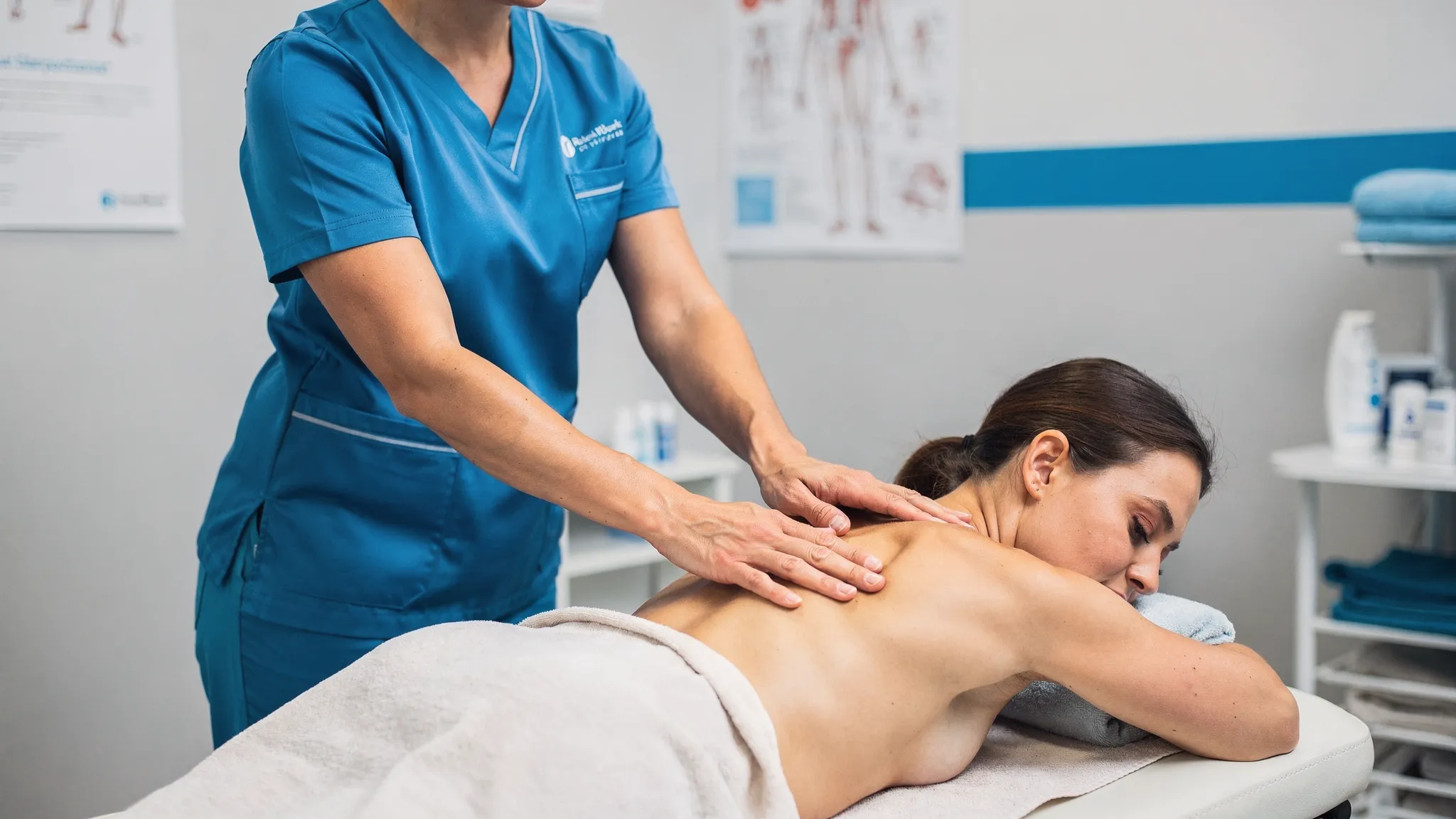
Chiropractic massage is a broad, patient-facing term that usually refers to therapeutic soft-tissue techniques used in a chiropractic setting, often paired with a focused exam and a plan to address the root cause of pain.
Depending on the clinic and your needs, that can include:
- Targeted soft-tissue work (for example, trigger point therapy or myofascial release)
- Stretching and mobility work
- Joint-focused care (which may include chiropractic adjustments when appropriate)
- Rehab-style exercises to help the results last
This approach is especially useful when pain is driven by a combination of factors, such as muscle guarding plus joint irritation plus overuse.
How chiropractic massage differs from a spa massage
Both can be valuable. The difference is the intent.
A spa massage typically focuses on overall relaxation and general tension relief. Chiropractic massage tends to be:
- Problem-driven (neck pain, sciatica symptoms, shoulder limitation, headache patterns)
- Region-specific (one hip, one side of the neck, a specific muscle group)
- Progress-oriented (measured changes in range of motion, pain scores, function)
If you are searching “chiropractic massage near me,” the key question to ask is not only whether the massage feels good, but whether the provider evaluates why the tightness keeps returning and helps you address it.
Who chiropractic massage helps most
Chiropractic massage can benefit a wide range of people, but it tends to help the most when symptoms are tied to movement, posture, or repetitive strain.
Here are the patient profiles that typically see the biggest payoff.
1) Desk workers with neck, shoulder, and upper-back tension
NYC desk life creates a predictable pattern: head forward, shoulders rounded, upper traps overworking, chest and front-of-neck muscles tightening. Over time, this can contribute to:
- Neck stiffness and “knots”
- Mid-back tightness
- Tension headaches
- Shoulder irritation during workouts
Chiropractic massage is useful here because soft-tissue work can downshift chronic muscle guarding, and then a clinician can address contributing factors like thoracic mobility, shoulder mechanics, and workstation habits.
Related reading: Move Well MD has also discussed posture-driven issues in office workers, including “crossed syndromes,” in their blog (for example, Upper Crossed Syndrome patterns).
2) People with low back pain that flares with sitting, commuting, or training
Low back pain is one of the most common reasons people seek conservative care. Clinical guidelines from the American College of Physicians recommend several non-drug options for acute and subacute low back pain, including massage and spinal manipulation, among other approaches, based on the patient’s presentation and preferences (Annals of Internal Medicine, 2017 guideline).
Chiropractic massage can help when low back pain is driven by:
- Tight hip flexors and quads
- Gluteal trigger points that refer pain into the back
- Protective spasms after a strain
- Limited hip or thoracic mobility that forces the low back to “do the work”
Massage may help reduce sensitivity and improve motion, while the broader care plan focuses on mechanics, joint motion, and stabilization.
3) Athletes and active adults managing overuse and “tightness that won’t quit”
Runners, cyclists, lifters, and court-sport athletes often describe symptoms as:
- “My calves are always tight”
- “My hip flexors feel locked up”
- “One shoulder never loosens up”
This is frequently a sign that training load, recovery, mobility restrictions, and movement compensation are interacting.
Chiropractic massage can be particularly helpful when:
- A specific muscle group is over-recruiting to compensate for another area
- You have limited range of motion that changes your form
- You are stuck in a cycle of flare-ups and restarts
In a sports-medicine-oriented clinic, soft-tissue work is often paired with rehab and return-to-training guidance so the relief lasts beyond the treatment table.
4) People with sciatica-like symptoms (when muscular tension is part of the picture)
“Sciatica” is commonly used to describe pain that travels from the low back into the glute and down the leg. The causes vary (disc irritation, joint issues, nerve sensitivity), and not all radiating leg pain is the same problem.
Chiropractic massage can help most when symptoms are influenced by:
- Deep gluteal muscle tightness (for example, piriformis region tension)
- Hamstring and hip restrictions that increase neural tension
- Protective spasms around irritated structures
A key point: radiating pain, numbness, tingling, or weakness should be assessed carefully. A good clinic will screen for red flags and make appropriate referrals when needed.
5) People with headaches that are linked to neck and jaw tension
Some headaches have a strong musculoskeletal component, especially when they correlate with neck tightness, stress, clenching, or long hours at a computer.
Chiropractic massage may help by:
- Reducing tension in the upper neck and shoulders
- Improving mobility in stiff segments
- Calming trigger points that refer pain into the head
Because headaches have many potential causes, a clinical evaluation matters. If headaches are new, severe, worsening, or accompanied by neurological symptoms, you should seek medical evaluation promptly.
6) People with restricted shoulder or hip mobility
Sometimes the main complaint is not pain, it is limitation:
- Reaching overhead feels blocked
- Turning the head while driving feels stiff
- Squatting depth is limited by hip tightness
Soft-tissue restrictions can be part of that limitation, but so can joint mechanics. Chiropractic massage can be effective when paired with a plan to restore motion and control.
Quick reference: who benefits and what to expect
| Profile | Common complaint | What chiropractic massage targets | What makes results last longer |
|---|---|---|---|
| Desk worker | Neck and shoulder tightness | Trigger points, postural muscle overload | Ergonomics, mobility, strengthening |
| Low back pain flares | Stiffness, spasms, pain with sitting | Hip and glute tension, lumbar guarding | Core stability, hip mobility, graded activity |
| Athlete | Overuse, recurring “tightness” | Local overload patterns, recovery limitations | Load management, rehab exercises |
| Sciatica-like symptoms | Glute to leg referral pain | Deep glute tension, mobility limits | Proper diagnosis, nerve-friendly mobility, strengthening |
| Headache with neck tension | Tight neck, stress patterns | Upper neck and shoulder trigger points | Posture changes, breathing, stress management |
Who should be cautious (or get evaluated first)
Chiropractic massage is generally conservative, but you should be more cautious and seek evaluation first if you have:
- Progressive numbness, weakness, or coordination changes
- Bowel or bladder changes
- Fever, unexplained weight loss, or pain that wakes you at night consistently
- Recent significant trauma (fall, collision)
- A known condition where certain techniques may be contraindicated (for example, some bleeding disorders or acute infections)
Also, if you are pregnant or have complex medical conditions, it is smart to confirm what techniques are appropriate for you.
What a good chiropractic massage visit should look like
A high-quality clinical experience usually includes more than “hop on the table.”
An assessment tied to your goals
Expect questions like:
- What activities trigger symptoms (sitting, running, lifting, sleep)?
- Where is the pain, and does it travel?
- What makes it better or worse?
- What is your goal: pain relief, performance, mobility, or prevention?
A clinician may also check range of motion, strength, and movement patterns.
A targeted treatment plan (not a one-size-fits-all routine)
The hands-on work should match your presentation. For example:
- If your shoulder is limited overhead, the focus may include the pecs, lats, rotator cuff region, and thoracic mobility.
- If your low back is guarding, the focus may include hip flexors, glutes, and trunk stabilization.
Clear next steps
You should leave with a simple plan, which might include home mobility, activity modification, or rehab exercises. Without that, massage can become an endless loop of temporary relief.
How to decide if chiropractic massage is the right fit for you
Chiropractic massage tends to be the best fit when at least one of these is true:
- Your pain changes with posture or movement.
- You have recurring tightness in the same area.
- You feel better after hands-on work, but symptoms return quickly.
- You want a plan that combines symptom relief with corrective care.
If your primary goal is relaxation and stress reduction, a general massage may be perfect. If your goal is pain relief plus function, chiropractic massage is often the better match.
How to choose the right provider in NYC
In a city with endless options, it helps to know what to look for.
Look for clinical reasoning, not just a menu of services
A strong sign is a provider who explains:
- What they think is driving your symptoms
- What they are treating today
- What they are trying to change over the next 2 to 6 visits
Check credentials and scope
Massage therapy and chiropractic are licensed professions in New York, but they are not the same license. If you want integrated care, confirm who is providing what, and whether the clinic coordinates between disciplines.
Use the clinic’s website as a signal of clarity
A clinic does not need flashy marketing, but it should be easy to understand services, location, and how to book. In general, clear patient education online reflects operational professionalism. Some local businesses work with teams like Brooklyn web design and local SEO experts to make healthcare information easier to find and navigate.
Where chiropractic massage fits at Move Well MD
Move Well MD is a Manhattan-based chiropractic and acupuncture clinic focused on helping patients move freely and live with less pain through integrated approaches. For many patients, soft-tissue work is not a standalone solution, it is one part of a broader plan that may include chiropractic care, acupuncture, physical rehabilitation, and pain management strategies, depending on your needs.
If you are comparing options, it can help to start with a clinic that can evaluate multiple contributors to pain (joint mechanics, muscle tension, mobility restrictions) and then recommend the most appropriate mix of services.
To explore the chiropractic side of care further, you may also find this helpful: Unlocking the Benefits of Chiropractic Adjustment in NYC.
Frequently Asked Questions
Is chiropractic massage the same as an adjustment? No. Massage focuses on soft tissue (muscles, fascia, trigger points). Chiropractic adjustments focus on joints, commonly the spine, to improve motion and reduce irritation. Some visits include both, depending on your needs.
How many sessions does chiropractic massage usually take to help? It depends on the cause and how long symptoms have been present. Some people notice improvement quickly, while chronic issues often require a short plan of care plus home exercises to make results stick.
Can chiropractic massage help with sciatica? It can help when muscular tension and mobility limitations contribute to symptoms, but sciatica-like pain has multiple causes. A proper evaluation is important, especially if you have numbness, tingling, or weakness.
Will I be sore after a session? Mild soreness can happen after deep soft-tissue work, especially if the area is highly sensitive or chronically tight. This should be temporary. If pain spikes significantly or you develop new symptoms, contact your provider.
Should I do chiropractic massage before or after a workout? Many active people do well with light mobility-focused work before training and deeper recovery-focused work after hard sessions. Your best timing depends on your sport, symptoms, and how your body responds.
Ready to see if chiropractic massage is right for your pain?
If you are dealing with recurring tightness, neck and shoulder tension from desk work, stubborn low back pain, or training-related overuse, a targeted plan can save you months of trial and error.
Move Well MD offers integrated care in Manhattan, including chiropractic and acupuncture, with a focus on pain relief and better movement. Learn more or request an appointment at MoveWellMD.com.
