If you are searching for “massage acupuncture chiropractic near me” and have sensitive skin, location is only the first filter. Massage oils, disinfectants, adhesives and pressure can all affect how comfortable an appointment feels. Choose care based on both the condition being treated and the specific exposures your skin tolerates. A useful consultation should address your pain, your skin history and whether treatment needs to be modified or postponed.
Sensitive skin does not automatically rule out hands-on care. It does mean that a clinic’s willingness to discuss products and adapt techniques matters more than a promise of a relaxing or “all-natural” experience.
Start by Explaining What “Sensitive” Means for You
Dryness, contact allergies, eczema and pain from light touch are different problems. Tell the practitioner what actually happens: itching after fragranced lotion, a rash beneath adhesive tape, bruising after pressure or burning when clothing touches otherwise normal-looking skin.
The American Academy of Dermatology’s guide to contact dermatitis explains that substances touching the skin can cause irritation or an allergic reaction. A previous reaction to one product does not establish which ingredient caused it.
Bring the names or ingredient lists of products that have caused problems, along with any confirmed allergies. Mention prescriptions, topical treatments, blood thinners and conditions that affect healing. Do not stop prescribed treatment to prepare for an appointment unless the prescribing clinician advises it.
New pain from gentle touch, especially without a visible rash, also deserves medical assessment rather than an assumption that your skin simply needs a different lotion.
What Should “massage acupuncture chiropractic near me” Results Tell You?
A service list does not reveal whether a provider can accommodate your skin concerns. Before booking, ask who performs each treatment, whether that person holds the appropriate New York license and how the clinic handles active rashes or known allergies.
The three approaches have different contact points:
| Treatment | Skin-related exposures to discuss | Possible modification to ask about |
|---|---|---|
| Massage | Oils, creams, friction and sustained pressure | A tolerated product, lighter pressure or avoiding affected areas |
| Acupuncture | Skin preparation, needle materials and adhesive accessories | Reviewing materials and choosing appropriate sites away from irritated skin |
| Chiropractic care | Hand pressure, table coverings, positioning and soft-tissue products | Different positioning, modified manual techniques or exercise-based care when appropriate |
These are discussion options, not guarantees that a particular treatment is suitable. An examination should determine whether the proposed approach makes sense for your symptoms.
Massage: Friction Matters Alongside Ingredients
A fragrance-free product can still contain something you react to. “Natural” oils and essential oils are not automatically gentle, and “hypoallergenic” does not guarantee that a product will suit you.
When comparing “massage acupuncture chiropractic near me” listings, ask whether massage involves a cream, oil, balm or warming product. Mentholated products and vigorous rubbing may be uncomfortable on already irritated skin. Dry techniques are not automatically better either, because they can increase friction.
Avoid massage directly over broken, infected or actively inflamed skin. If you have eczema or psoriasis, explain where it is active and whether pressure or rubbing has triggered symptoms before.
Acupuncture: Review Needles and Skin Preparation
Tell the acupuncturist about metal allergies, reactions to antiseptics and problems with adhesive tape. Ask about needle materials rather than assuming that all needles have the same composition. People with known nickel allergy should raise it explicitly.
The National Center for Complementary and Integrative Health’s acupuncture guidance emphasizes proper technique and sterile needles. Confirm that the practitioner uses sterile, single-use needles. Do not ask a provider to skip appropriate infection-control measures because your skin is sensitive. Instead, discuss whether an appropriate alternative preparation is available or whether treatment should wait.
Needling should not pass through infected or damaged skin. Certain skin conditions can also flare after skin trauma, so a history of that response is worth discussing with your dermatologist.
Chiropractic Care: Consider Contact and Positioning
Chiropractic appointments may involve more than an adjustment. Soft-tissue work, positioning supports, exercise and other interventions can introduce different pressure points or products.
For massage, acupuncture and chiropractic care near you, ask what the proposed visit actually includes. A face cradle pressing against facial eczema or a bolster rubbing behind an irritated knee may matter as much as the main technique.
Sensitive skin is also separate from the broader risks of spinal manipulation. Ask about the expected benefit, alternatives and risks of any proposed procedure, especially neck manipulation. The NCCIH overview of spinal manipulation describes common temporary effects and uncommon serious complications. Gentler contact is not, by itself, proof that a treatment is appropriate.
Agree on Products Before the Appointment
A short conversation before booking can prevent an uncomfortable visit. Ask whether staff can identify the products used during your planned treatment, including disinfectants, lotions, adhesives and anything applied afterward.
For someone checking “massage acupuncture chiropractic near me” results, a specific answer is more useful than a general assurance that the clinic serves sensitive clients. “We can review the ingredient label with you” gives you something concrete to assess.
Useful questions include:
- Can you avoid fragranced oils, warming balms and adhesive accessories if they are not necessary?
- Can you review a product I already tolerate and explain whether it is suitable for the treatment?
- Can irritated areas remain uncovered by products and free from direct treatment?
- What contacts my skin besides the practitioner’s hands, such as linens, supports or protective coverings?
Do not apply an unfamiliar product across a large area just to test it before treatment. If you have recurring unexplained rashes, a dermatologist can determine whether formal allergy patch testing is appropriate. Trying a product briefly at home does not reliably exclude a delayed allergic reaction.
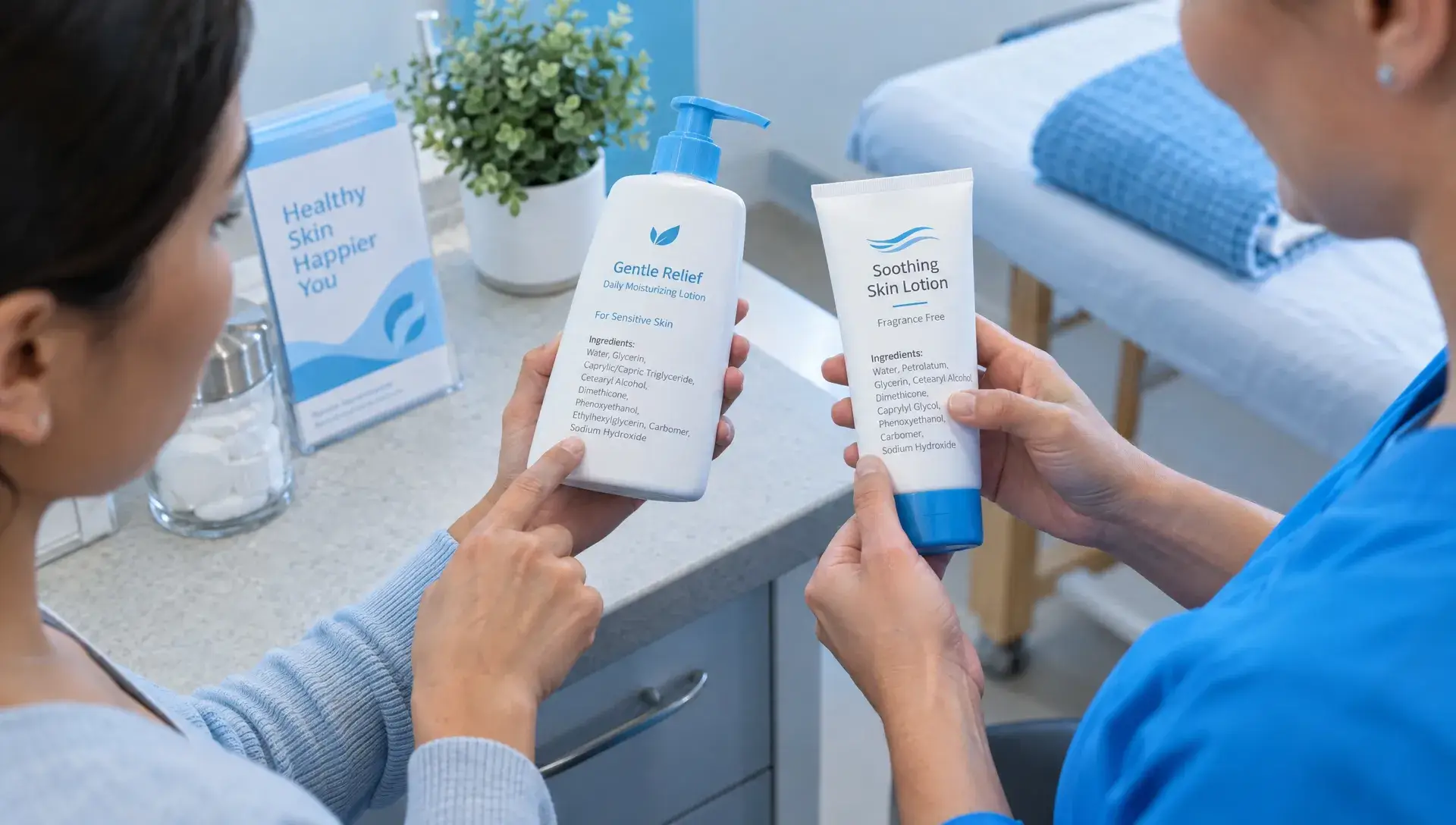
Make the First Session Easy to Adjust
You do not have to receive every available service at the first visit. Starting with an evaluation and a limited, agreed-upon treatment can make it easier to identify what you tolerate. Introducing several products and techniques together can make a later reaction harder to trace.
Agree on a clear stop signal before hands-on care begins. Report burning, itching, sharp pain or increasing discomfort immediately rather than waiting until the session ends. A provider should reassess, not tell you that a skin reaction proves the treatment is working.
When choosing massage, acupuncture and chiropractic care nearby, favor a clinician who distinguishes your treatment goals from the intensity of the session. More pressure, more needles or more services do not automatically mean better care.
Coordinated care can help practitioners share relevant precautions, but each clinician still needs your history and consent. Our guide to choosing a clinic with chiropractic, massage and acupuncture services explains what to verify about credentials and coordination rather than assuming one booking covers everything.
Know When to Postpone or Seek Medical Care
Call before attending if you develop an unexplained rash, open sores, drainage or a suspected skin infection. The right decision may be to avoid an area, change the plan or postpone hands-on treatment until you receive medical advice.
After an appointment, distinguish ordinary treatment tenderness from a new skin problem. Bruising, itching, raised welts and spreading redness are different findings and should be described specifically. Photograph a visible reaction and note when it began, where it appeared and which products or techniques were used.
A provider found through “massage acupuncture chiropractic near me” should explain whom to contact about a reaction. Seek prompt medical assessment for increasing warmth, swelling, pain or spreading redness, particularly with fever. Trouble breathing or swelling of the lips or tongue requires emergency care.
Do not let a search for hands-on treatment delay assessment of new weakness, significant numbness or other concerning neurological symptoms.
Clarify Costs and Supplies Before Booking
Ask for the price of the evaluation and each proposed service separately. Confirm whether a shorter or modified session changes the fee, whether providers bill independently and whether insurance benefits have been checked. Do not assume that care becomes covered because several services share an address.
For visitors to Manhattan, packing toiletries and skin products you already tolerate can reduce unfamiliar exposures during the trip. Ask the clinic before bringing a product for treatment, because it may not be suitable for the intended technique.
If a travel agency is coordinating your stay, keep travel charges separate from clinical bills, and confirm the clinic’s fees, accepted payment methods and insurance coverage directly with the clinic.
Frequently Asked Questions
Is massage better than chiropractic care for sensitive skin? Neither is automatically better. Massage may involve more sustained friction and product exposure, while chiropractic care may involve pressure, positioning and additional soft-tissue techniques. The appropriate choice depends on your pain condition, skin findings and the specific treatment proposed.
Can acupuncture be performed if I have eczema? Sometimes, but an active flare changes the assessment. Tell the practitioner which areas are affected and whether skin trauma has triggered flares before. Needles should not pass through damaged or infected skin, and your dermatologist may recommend postponing treatment in some circumstances.
What should I ask when searching “massage acupuncture chiropractic near me” with a skin allergy? Name the confirmed allergy and ask about every relevant contact material, not just lotion. Request a review of needle materials, skin preparations, adhesives and treatment surfaces as applicable. Ask how the plan changes if a suitable alternative is unavailable.
Can these treatments cure sensitive skin? They should not be presented as cures for eczema, contact allergy or unexplained skin sensitivity. A clinician may recommend an approach for a musculoskeletal complaint, but skin symptoms may need separate evaluation and treatment.
Discuss Your Skin History With Move Well MD
Move Well MD offers chiropractic care, acupuncture, physical therapy and pain-management services in Manhattan. When contacting Move Well MD, describe your pain concern, current skin symptoms and known allergies before scheduling. Ask which services are appropriate, whether massage is available and what products or materials the proposed visit would involve. That conversation can help establish whether the appointment can be adapted safely to your needs.
