Yes, chiropractic and physical therapy can work together, and for many people with back pain, neck pain, joint stiffness, sports injuries, or recurring movement problems, the combination can be more effective than either approach on its own.
The reason is simple: chiropractic care and physical therapy often address different parts of the same problem. Chiropractic treatment may help improve joint motion, reduce spinal irritation, and calm pain patterns. Physical therapy helps rebuild strength, flexibility, balance, and movement habits so the improvement lasts longer.
If you have ever searched for a “physical therapy chiropractor near me,” you are probably looking for more than a quick adjustment or a generic exercise sheet. You want a coordinated plan that helps you feel better, move better, and avoid the same pain coming back.
Chiropractic Care vs. Physical Therapy: What Is the Difference?
Chiropractic care and physical therapy overlap in important ways, but they are not identical. Both are conservative, movement-focused approaches. Both can help reduce pain and improve function. The main difference is how each discipline typically approaches the body.
A chiropractor often focuses on the spine, joints, nervous system, and musculoskeletal alignment. Treatment may include spinal adjustments, joint mobilization, soft tissue work, posture guidance, and movement recommendations.
A physical therapist focuses heavily on restoring function through therapeutic exercise, mobility training, strengthening, balance work, gait training, and activity-specific rehabilitation. PT is especially important when weakness, instability, poor mechanics, or deconditioning are contributing to pain.
| Care approach | Primary focus | Common tools | Best used for |
|---|---|---|---|
| Chiropractic care | Joint motion, spinal function, musculoskeletal pain | Adjustments, mobilization, soft tissue therapy, posture education | Back pain, neck pain, headaches, joint restriction, sciatica-related symptoms |
| Physical therapy | Strength, flexibility, movement control, functional recovery | Therapeutic exercise, manual therapy, stretching, balance work, rehab plans | Injury recovery, postural weakness, sports rehab, mobility limitations, recurring pain |
| Combined care | Pain relief plus long-term movement improvement | Coordinated manual care and progressive rehab | Chronic pain, injury prevention, athletic recovery, desk-related pain, complex movement issues |
The most important point is that these treatments do not have to compete. When coordinated properly, they can complement each other.
Why Combining Chiropractic and Physical Therapy Can Be So Effective
Pain often has more than one cause. For example, lower back pain may involve restricted spinal joints, tight hip flexors, weak glutes, poor core endurance, and long hours of sitting. A neck pain flare-up may involve joint stiffness, muscle guarding, poor workstation ergonomics, and weakness in the deep neck flexors or upper back.
If care only addresses one piece of the problem, symptoms may return. Chiropractic care may help restore motion and reduce pain, but if the muscles around the area remain weak or poorly coordinated, the same stress pattern can continue. Physical therapy may build strength and control, but if severe stiffness or pain limits movement, it may be harder to exercise effectively.
Together, chiropractic and physical therapy can create a more complete recovery pathway:
- Chiropractic care may help reduce pain and improve mobility so exercise feels more manageable.
- Physical therapy may help stabilize the improvements through strength, flexibility, and better movement patterns.
- Both approaches can support posture, body mechanics, and injury prevention.
- A coordinated plan can reduce reliance on passive care alone and encourage active recovery.
This fits well with modern pain management guidelines. The American College of Physicians recommends non-drug therapies such as exercise, spinal manipulation, and multidisciplinary rehabilitation for many cases of low back pain, depending on whether symptoms are acute or chronic.
Conditions That May Benefit From a Combined Approach
Not every patient needs both chiropractic care and physical therapy. Some people do well with one approach. Others benefit from combining them, especially when pain keeps returning or movement feels limited.
Back Pain
Back pain is one of the most common reasons people seek chiropractic care, physical therapy, or both. A combined plan may include spinal adjustments or mobilization to improve joint movement, along with core strengthening, hip mobility, and lifting mechanics to reduce strain.
This can be especially helpful for people who sit for long hours, commute frequently, lift at work, or return to exercise after a period of inactivity.
Neck Pain and Headaches
Neck pain often involves more than the neck itself. Upper back stiffness, shoulder mechanics, jaw tension, screen posture, and muscle endurance can all play a role. Chiropractic care may address restricted spinal movement, while physical therapy may focus on postural strength, deep neck flexor activation, and shoulder blade control.
For some headache patterns, especially those related to neck tension or joint irritation, this combined approach may help reduce frequency and intensity.
Sciatica and Nerve-Related Symptoms
Sciatica-like pain can travel from the lower back into the buttock, hip, or leg. It may involve nerve irritation, disc issues, muscle tension, or movement patterns that increase pressure on sensitive tissues.
A chiropractor may work to improve spinal and pelvic mechanics, while physical therapy can introduce nerve glides, core stabilization, hip strengthening, and activity modifications. If symptoms include progressive weakness, numbness, or bowel or bladder changes, medical evaluation should be urgent.
Sports Injuries
Athletes often need both pain relief and performance-focused rehabilitation. Chiropractic care may help with joint mobility and soft tissue restrictions. Physical therapy helps rebuild strength, agility, coordination, and sport-specific movement.
This can be useful for runners, cyclists, lifters, dancers, tennis players, golfers, and recreational athletes who want to return safely without repeating the same injury cycle.
Shoulder, Knee, and Joint Pain
Joint pain is rarely just a joint problem. Knee pain may involve hip weakness, ankle mobility, running mechanics, or muscle imbalance. Shoulder pain may involve thoracic spine stiffness, rotator cuff weakness, or poor scapular control.
Combining manual care with active rehab can help address both the painful area and the movement chain around it.
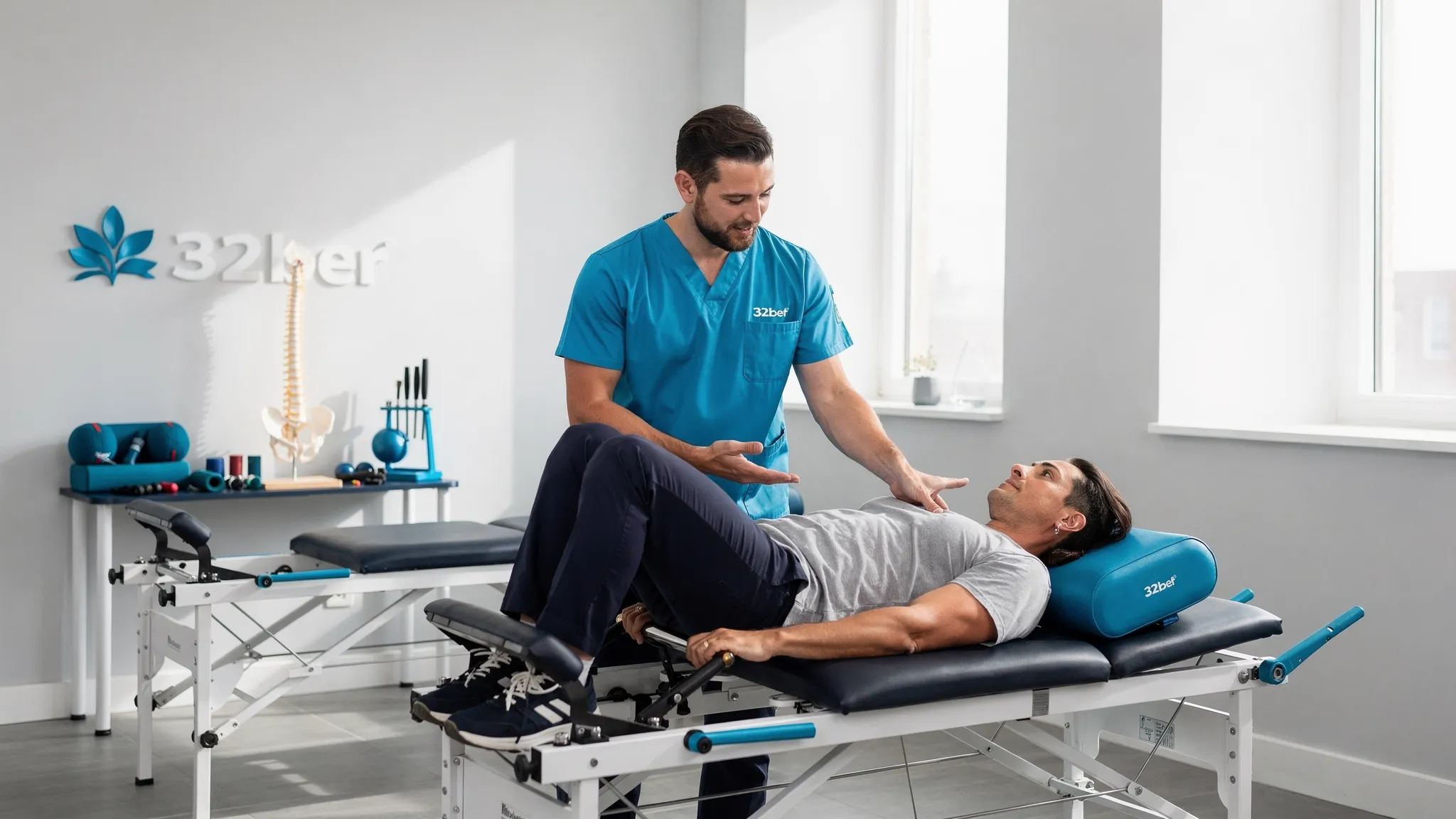
What a Coordinated Treatment Plan May Look Like
A good combined plan should not feel random. You should understand why each treatment is being used and how it supports your goals.
Step 1: Evaluation and Diagnosis
Care should begin with a detailed history and physical exam. Your provider may ask about when the pain started, what makes it better or worse, your work setup, exercise routine, sleep position, previous injuries, and medical history.
They may also assess posture, range of motion, strength, reflexes, gait, joint mobility, muscle tenderness, and functional movements such as squatting, bending, reaching, or walking.
Step 2: Pain Relief and Mobility Work
In the early phase, the goal is often to calm symptoms and restore comfortable movement. This may include chiropractic adjustments, joint mobilization, soft tissue therapy, stretching, acupuncture, heat or cold recommendations, or other conservative pain-relief strategies when appropriate.
The purpose is not just to “crack” the spine. The goal is to help the body move with less restriction and reduce protective muscle guarding that can keep pain cycles active.
Step 3: Therapeutic Exercise and Rehab Progression
Once movement improves, physical therapy becomes essential for long-term success. Exercises may focus on mobility, core control, hip strength, shoulder stability, balance, or sport-specific mechanics.
Early exercises are often simple and controlled. As symptoms improve, the plan should progress. That progression may include resistance training, endurance work, coordination drills, or return-to-activity testing.
Step 4: Education and Prevention
A strong care plan teaches you how to manage your body outside the clinic. That may include ergonomic changes, warm-up routines, sleep posture tips, lifting mechanics, running modifications, or a home exercise program.
The value of coordinated care is not limited to healthcare. In many complex systems, better outcomes come from expert guidance and integrated planning, whether that means businesses using professional energy management resources like BVGE to make smarter operational decisions or patients choosing a team-based approach to pain and movement care.
Is It Safe to See a Chiropractor and Physical Therapist at the Same Time?
For many patients, yes, it can be safe and appropriate when care is coordinated and tailored to the individual. The key is communication. Your providers should know what treatments you are receiving, what symptoms are changing, and what activities aggravate or improve your condition.
You should always share your medical history, including surgeries, fractures, osteoporosis, inflammatory disease, cancer history, pregnancy, medications, and neurological symptoms. Some conditions require modified techniques or referral to a medical specialist before manual therapy or exercise progression.
Seek prompt medical attention if you experience:
- New or worsening weakness in the arms or legs
- Loss of bowel or bladder control
- Numbness in the groin or saddle area
- Severe pain after a major fall or accident
- Fever, unexplained weight loss, or history of cancer with new spine pain
- Sudden severe headache unlike anything you have had before
A qualified provider will screen for red flags and adjust the treatment plan when needed.
How Often Should You Do Chiropractic and Physical Therapy Together?
There is no one-size-fits-all schedule. Frequency depends on the diagnosis, severity, irritability of symptoms, goals, and how your body responds.
Some patients start with more frequent visits during an acute flare, then taper as pain improves and home exercises become the main focus. Others may need a longer rehab plan after a sports injury, surgery, or chronic pain condition.
A practical plan should include measurable goals, such as:
- Less pain during daily activities
- Improved range of motion
- Better strength or endurance
- Fewer flare-ups
- Return to walking, running, lifting, or sports
- Reduced need for pain medication when medically appropriate
If your plan never changes, exercises never progress, or you do not understand the purpose of each visit, it may be time to ask for a clearer roadmap.
What to Look for in an Integrated Chiropractic and Physical Therapy Clinic
When searching for coordinated care in New York City, convenience matters, but quality matters more. You want clinicians who take time to assess the root cause of your symptoms and communicate clearly about your options.
Look for a clinic that offers individualized care instead of a cookie-cutter routine. A good provider should explain what they found, what treatment may help, what you can do at home, and when you should expect progress.
It is also helpful to choose a practice that can support multiple parts of recovery. Move Well MD is a Manhattan-based clinic offering chiropractic care, physical therapy and rehabilitation, acupuncture, sports medicine services, pain management, joint pain relief, trigger point injections, and treatment for concerns such as knee pain, shoulder pain, migraines, and sciatica.
That kind of integrated setting can be useful when symptoms do not fit neatly into one category, or when you want conservative care options under one roof.
Chiropractic Plus Physical Therapy: Passive Relief Meets Active Recovery
One of the biggest mistakes in pain care is relying only on passive treatment. Adjustments, manual therapy, acupuncture, massage, or injections may help reduce symptoms, but long-term improvement often requires active participation.
Physical therapy helps patients build capacity. That means your body becomes more prepared for the demands of your life, whether that is sitting at a desk, carrying groceries, training for a race, playing with your kids, or returning to a physically demanding job.
At the same time, exercise alone can be difficult when pain is too intense or movement is too restricted. Chiropractic care may help make that transition easier by improving mobility and reducing discomfort, allowing the rehab process to move forward.
The best results often happen when passive relief and active recovery are balanced.
Frequently Asked Questions
Can I do chiropractic care and physical therapy on the same day? In many cases, yes. Some patients benefit from manual therapy or chiropractic care before therapeutic exercise because improved mobility may make movement easier. However, the right order depends on your condition and should be determined by your providers.
Is chiropractic care better than physical therapy? One is not automatically better than the other. Chiropractic care may be especially helpful for joint mobility and spine-related pain, while physical therapy is essential for strengthening, movement retraining, and long-term function. Many patients benefit from both.
Will physical therapy make chiropractic adjustments last longer? It may help. If stiffness or pain is related to weakness, poor posture, or repetitive movement stress, physical therapy can strengthen the muscles that support better alignment and movement patterns.
How do I know if I need both treatments? You may benefit from combined care if your pain keeps returning, you feel stiff and weak, you are recovering from an injury, or you need help returning to activity safely. A thorough evaluation can determine the best approach.
Can chiropractic and physical therapy help avoid surgery? Conservative care may help many musculoskeletal conditions improve without surgery, but not all. Severe injuries, progressive neurological symptoms, fractures, or advanced structural problems may require medical or surgical evaluation.
Ready for a More Complete Approach to Pain Relief?
Chiropractic care and physical therapy can work together very well when they are part of a coordinated, patient-specific plan. Chiropractic treatment may help you move with less pain, while physical therapy helps you build the strength and control needed to stay active.
If you are dealing with back pain, neck pain, sciatica, joint pain, headaches, or a sports injury in Manhattan, Move Well MD offers integrated care designed to help you move better and feel better. Visit Move Well MD to learn more or request an appointment.
