Training in New York City is a different kind of sport. Between packed sidewalks, long workdays, and squeezing workouts into tiny windows, it is easy to ignore that “minor” ache until it becomes the reason you cannot run, lift, climb, cycle, or even sit comfortably.
A sports chiropractor focuses on keeping active bodies moving well, not just feeling better for a day or two. The goal is faster recovery, smarter training, and fewer setbacks, using hands-on care plus a plan you can actually follow.
What a sports chiropractor does (beyond cracking backs)
Sports chiropractic is built around two questions:
- Why did this pain start now?
- What needs to change so it does not keep coming back?
That means the visit often goes further than a quick adjustment. A sports-focused chiropractor commonly looks at joint mobility, muscle balance, movement mechanics, training volume, footwear, recovery habits, and sport-specific demands.
In practical terms, sports chiropractic care may include:
- Joint adjustments or mobilization to restore motion (spine, hips, shoulders, ribs, ankles)
- Soft tissue work for overloaded muscle and tendon areas
- Corrective exercise and mobility drills
- Return-to-sport progression (what to do now, what to avoid, what to add next)
- Coordination with other providers when needed (physical therapy, sports medicine, pain management)
If you are searching “sports chiropractor near me” because you want to keep training, look for someone who treats pain and improves the mechanics that drive it.
Common NYC training injuries a sports chiropractor sees
NYC athletes are diverse, runners in Central Park, cyclists commuting over bridges, strength athletes, dancers, tennis and pickleball players, and weekend warriors doing HIIT after desk-heavy weeks. Different sports, similar patterns: repetitive load plus limited recovery.
Here is a quick view of issues that frequently respond well to conservative, movement-based care.
| Activity or training style | Common pain pattern | What a sports chiro may focus on |
|---|---|---|
| Running | Hip tightness, IT band irritation, shin splints-type pain, Achilles or plantar fascia overload | Hip and ankle mobility, stride mechanics, calf and foot loading plan |
| Strength training | Low back flare-ups, shoulder pinch, elbow irritation | Bracing mechanics, thoracic mobility, shoulder blade control, graded loading |
| Cycling | Neck and mid-back stiffness, wrist/hand numbness, anterior knee pain | Bike-fit related posture, thoracic and rib mobility, hip control, nerve irritation screening |
| Court sports | Achilles and calf strains, ankle sprains, tennis elbow | Foot and ankle stability, tendon loading progressions, soft tissue tolerance |
| Desk job plus workouts | “Tight hips,” upper back stiffness, tension headaches | Posture tolerance, breathing mechanics, mobility breaks, neck and thoracic function |
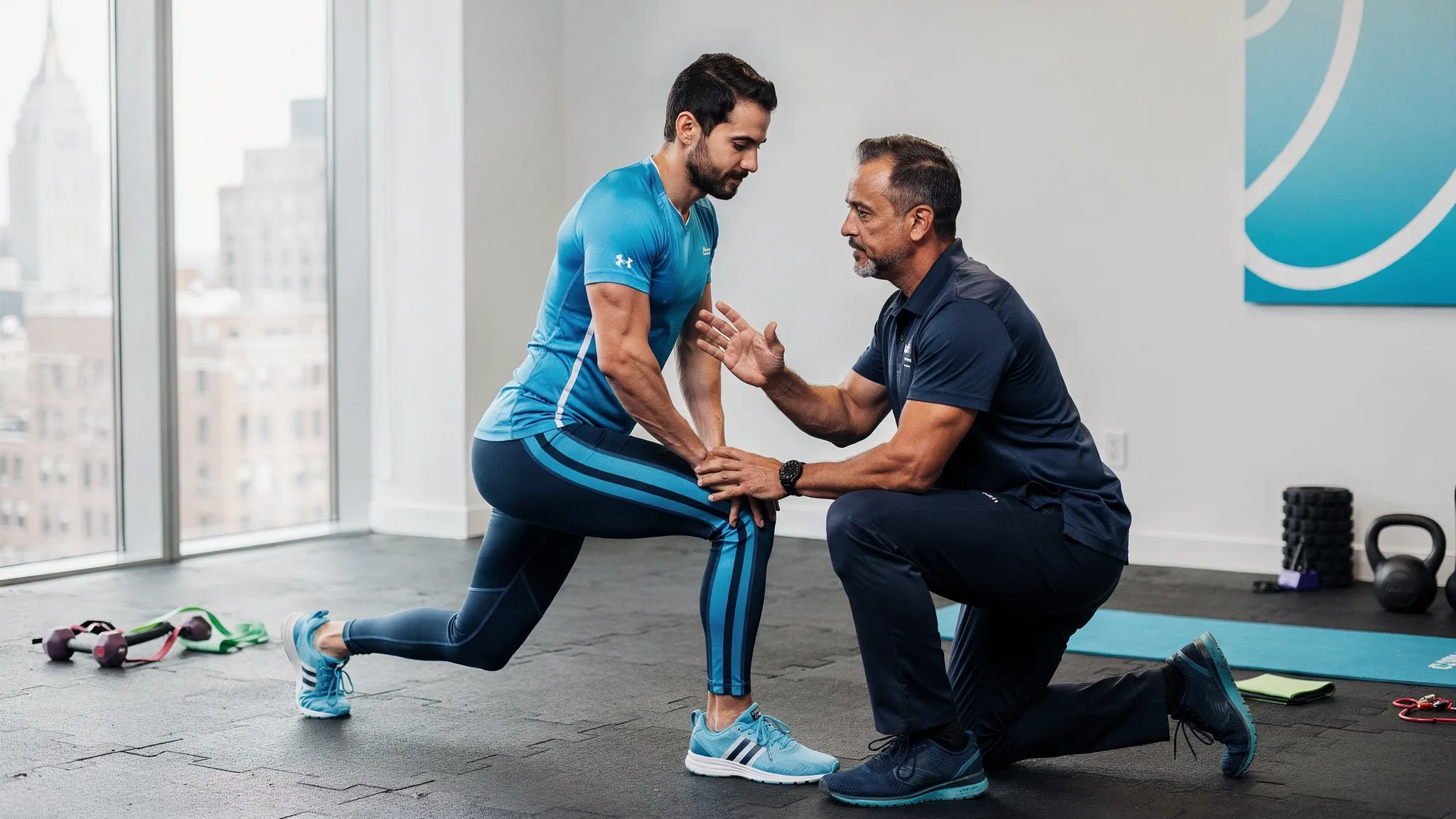
How chiropractic care can support faster recovery
“Faster recovery” should not mean rushing an injury. It means improving the factors that slow healing and cause repeat flare-ups, so you can rebuild capacity safely.
1) Restoring motion so training can be efficient again
When joints are stiff or moving poorly, surrounding tissues often get overworked to compensate. Restoring normal motion, in the spine or a peripheral joint like the shoulder, hip, or ankle, can reduce overload and make rehab exercises feel more natural.
2) Reducing pain enough to keep you active
For many musculoskeletal conditions, the best long-term results come from staying appropriately active, not fully shutting down. Clinical guidelines for low back pain, for example, emphasize non-drug approaches and movement-based care as first-line options in many cases, including spinal manipulation as one possible tool in an overall plan (American College of Physicians guideline).
The key is pairing symptom relief with a progression, mobility, strength, and return-to-sport steps.
3) Improving neuromuscular control and movement confidence
Pain changes how you move. You may brace, limp, or avoid certain ranges without realizing it. A sports chiropractor often coaches movement re-training so you regain control, coordination, and confidence as tissue tolerance returns.
4) Making recovery measurable
Recovery feels subjective in the moment, especially when you are juggling work and training. A sports-focused plan usually includes objective markers such as range of motion, strength symmetry, pain during specific movements, and tolerance to specific training loads.
For a balanced overview of what spinal manipulation may help with and where evidence is mixed, you can also review the NCCIH spinal manipulation summary.
The recovery stack: combining chiropractic, rehab, and other therapies
The best outcomes usually come from a layered approach that fits the stage of your injury.
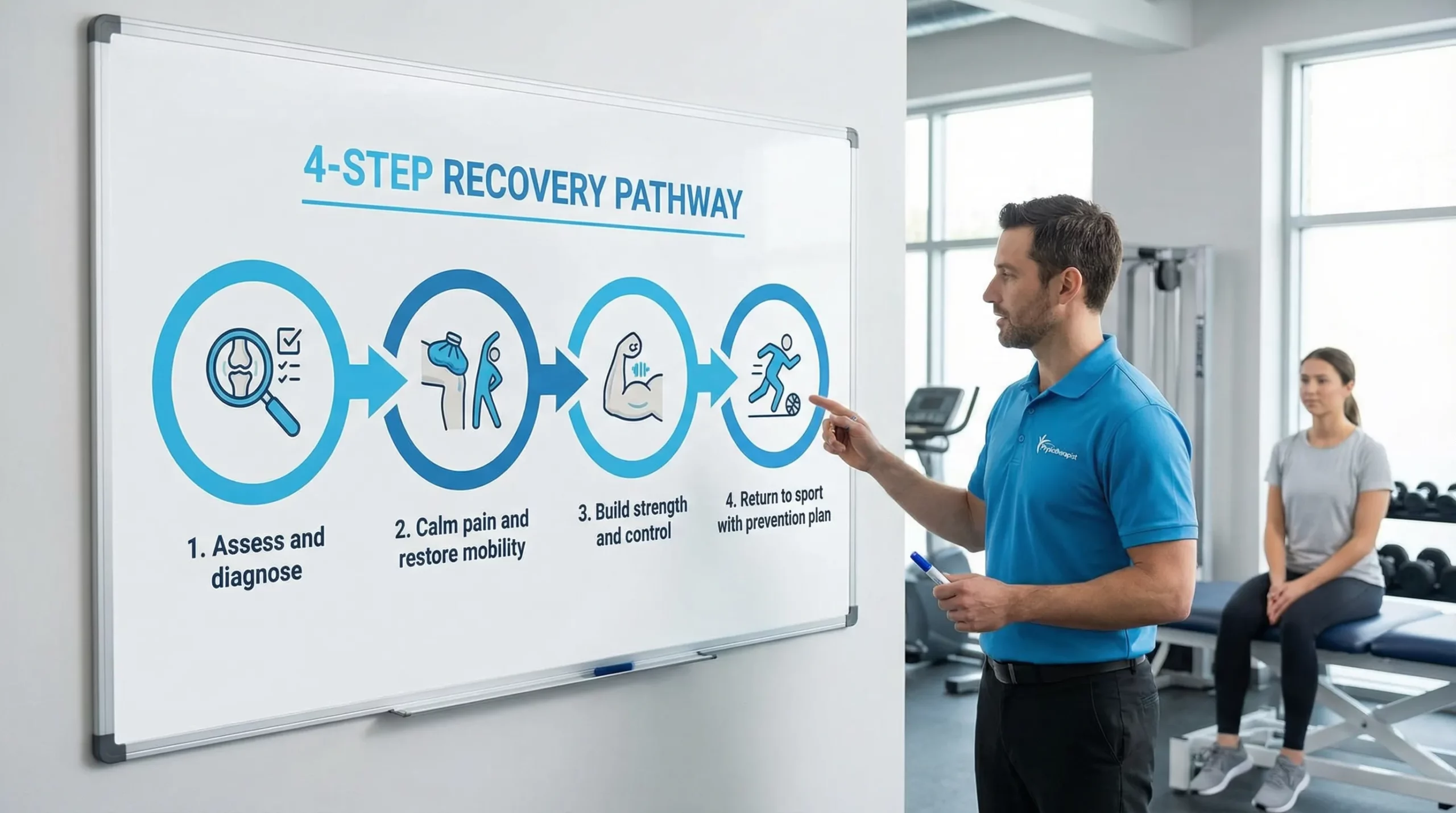
Early phase: calm the flare-up without losing all momentum
In the first few days after an injury or flare-up, the goal is to reduce irritability and protect the area while keeping the rest of your body moving.
A sports chiropractor may focus on gentle mobility, joint work that does not aggravate symptoms, soft tissue techniques, and guidance on what training is still safe (often more than you think).
Build phase: rebuild capacity, not just symptoms
This is where many active New Yorkers get stuck. Pain improves, then returns as soon as you resume normal training.
In the build phase, care often shifts toward:
- Strengthening the weak links that caused overload
- Reintroducing speed, impact, or heavier loads gradually
- Fixing training errors (too much intensity, too little recovery, poor warm-up structure)
Return-to-sport phase: prevent the repeat injury
“Back to training” is not the same as “ready for performance.” A sports chiropractor may help you progress from basic movement to sport-specific demands, for example, single-leg stability for runners or overhead control for lifters.
Where acupuncture and integrative care can fit for active NYC patients
Many sports chiropractors collaborate with other disciplines because complex pain rarely has a single cause. In an integrative clinic, chiropractic can be combined with modalities such as acupuncture, physical therapy-style rehab, and sports medicine services.
Acupuncture is commonly used as part of a conservative plan for pain modulation, muscle tension, and recovery support. For evidence-based context on where acupuncture may help (and where findings vary by condition), see the NCCIH acupuncture overview.
At Move Well MD, the focus is integrated care, combining chiropractic and acupuncture with broader pain management and rehabilitation options, based on your condition and exam findings.
What to expect at your first appointment
A sports chiropractor visit should feel structured, not generic. While every clinic is different, a strong first visit often includes:
History and training review
You will typically discuss:
- How the injury started (or how symptoms built up)
- Your sport, weekly training volume, and recent changes
- Previous injuries, surgeries, or recurring problem areas
- What movements trigger symptoms (squats, running hills, overhead pressing)
Exam and movement assessment
This may include posture and gait observations, range of motion testing, orthopedic tests, neurologic screening when appropriate, and sport-specific movement checks.
Treatment and a clear plan
Treatment may include hands-on chiropractic care, soft tissue work, and specific homework. The most important part is leaving with clarity:
- What you likely have (and what serious issues were ruled out)
- What you can do this week for training and recovery
- What milestones you should hit before progressing
When to see a sports chiropractor (and when to seek urgent care)
If pain is keeping you from training, limiting sleep, or changing your movement patterns, it is reasonable to get assessed sooner rather than later.
Seek urgent medical evaluation right away if you have red flags such as:
- New numbness, progressive weakness, or loss of coordination
- Loss of bowel or bladder control
- Fever, unexplained weight loss, or severe night pain
- Significant trauma (fall, collision) with inability to bear weight
- Suspected fracture, dislocation, or concussion
A sports chiropractor can be an excellent first stop for many musculoskeletal problems, but good providers also know when to refer.
Recovery outside the clinic: the overlooked accelerators
Hands-on care matters, but your day-to-day environment is what determines how fast you actually bounce back.
Sleep, nutrition, and stress management all influence pain sensitivity and tissue repair. Even practical life factors, like housing stability during a move or job change, can affect recovery routines. If you are relocating for work, family, or a training season, finding a predictable setup can make it easier to keep rehab consistent. For example, people moving to Texas sometimes explore options like affordable manufactured homes in San Antonio to reduce financial strain while they reestablish their routine.
Back in NYC, the same principle applies: simplify what you can, so your recovery plan is easier to execute.
How to choose the right sports chiropractor in NYC
A good match is less about hype and more about fit.
Look for:
- Licensure and experience with athletes (not necessarily pro athletes, but your kind of training)
- A rehab-forward approach (hands-on care plus strengthening and movement progression)
- Clear communication (what is happening, why it hurts, what success looks like)
- Collaborative options if your case needs acupuncture, physical therapy, imaging, or sports medicine input
- A plan you can sustain with your schedule and budget
Frequently Asked Questions
Can a sports chiropractor help with running injuries? Many running-related issues involve mobility limits, strength imbalances, and training-load errors. A sports chiropractor can assess mechanics, reduce pain, and build a return-to-run plan.
How many sessions do I need to recover? It depends on the injury, how long it has been present, and how consistently you follow the rehab plan. Some flare-ups improve quickly, while tendon and overuse conditions often need a longer progression.
Is chiropractic safe for athletes? For most healthy adults, chiropractic care is generally considered safe when performed by a licensed professional after an appropriate exam. Your provider should screen for red flags and modify techniques to your sport and condition.
Should I get an MRI before seeing a sports chiropractor? Not always. Many musculoskeletal problems can be evaluated clinically first. Your provider may recommend imaging if symptoms suggest a more serious condition or if progress stalls.
Can chiropractic be combined with acupuncture? Yes. Many patients use acupuncture alongside chiropractic and rehab to help manage pain and muscle tension while rebuilding strength and movement.
What should I wear to my appointment? Comfortable athletic clothing is ideal so movement and joint range can be assessed easily.
Get back to training with a sports-focused plan at Move Well MD
If pain is slowing your training or keeping you from the activities you love, a sports chiropractor can help you recover with a structured approach that prioritizes movement, strength, and prevention.
Move Well MD is a Manhattan-based clinic offering integrated chiropractic and acupuncture care, plus broader pain management and rehabilitation services when appropriate. To learn more or schedule a visit, you can start here: Move Well MD. You can also explore their perspective on performance support in How Chiropractic Care Benefit Sports Performance.
